REVIEW · PHUKET
Open water scuba certifiication course with beach dives
Book on Viator →Operated by Kiwidiver Dive Centre · Bookable on Viator
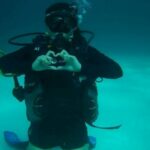
Scuba skills, taught step-by-step on Phuket beach. This open water scuba certification is built for real safety progress, and it’s paired with Phuket’s tropical marine setting once you’re ready. It’s also a world-recognized training pathway, so you’re not just “having fun in the water” for a day or two.
What I really like is how organized the learning flow is. You handle the classroom part through e-learning in advance, then you spend your in-person time on hands-on skill work with instructor Charles at Kiwidivers Phuket. The other big win is the small group size (max 4), which means you get more attention during the pool practice and the beach sessions.
One consideration: this course depends on good weather, and it also requires a health questionnaire plus being free of medical conditions. If you’re not a strong swimmer or you’re unsure about fitness or medical clearance, you may have trouble qualifying.
In This Review
- Key Highlights Worth Knowing
- What This 3-Day Open Water Course Really Feels Like in Phuket
- Day 1: E-Learning, Paperwork, Fittings, and Pool Skills
- Day 2: Beach Training Sessions 1 and 2 (Where Confidence Gets Tested)
- Day 3: Final Beach Training Sessions 3 and 4 (Certification Day Momentum)
- Instructor Charles and the Teaching Style That Gets Mentioned Again and Again
- Marine Life Expectations: What You’ll See, and What You Should Not Assume
- Value Check: Is $503 Fair for a 3-Day Certification in Phuket?
- Weather and Fitness Rules You Must Take Seriously
- Where You Meet and When You Start
- Who This Course Is Best For
- Should You Book This Phuket Certification Course?
- FAQ
- FAQ
- What certification do I earn at the end of the course?
- How long is the course?
- What happens on Day 1?
- What happens on Day 2?
- What happens on Day 3?
- Where do I meet the instructor?
- What time does the course start?
- How many people are in the group?
- Is the course weather dependent?
- What are the health and age requirements?
Key Highlights Worth Knowing
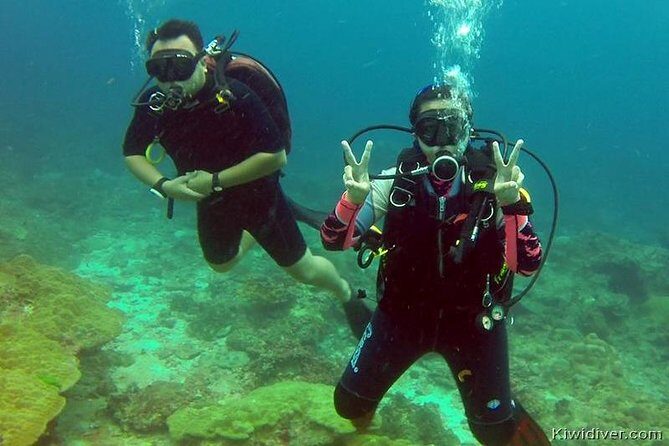
- Small group (max 4) for more personal coaching
- E-learning first, so in-person time focuses on skills
- Pool training on Day 1 to build confidence before open-water sessions
- Four beach training sessions across Days 2 and 3 for steady progression
- You leave with a logbook and certification after successful completion
- Instructor Charles’ structured teaching style (clear explanations and real safety scenarios)
What This 3-Day Open Water Course Really Feels Like in Phuket
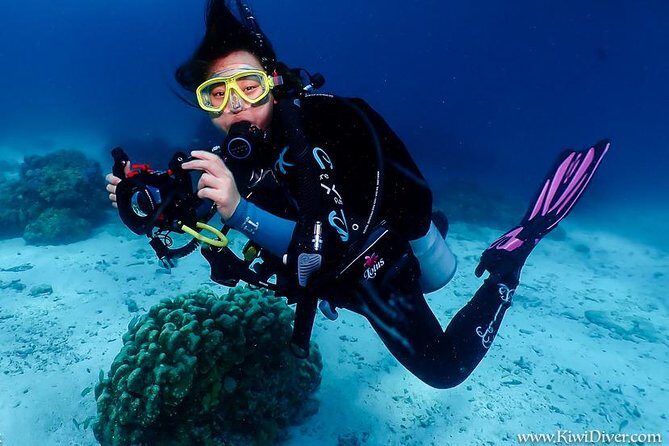
This is a proper open water scuba certification course, not a casual “try it” outing. The schedule is designed around a common pattern: prepare in advance, practice in controlled conditions, then move to the beach for the core skill demonstrations you need for certification.
In Phuket, that matters because the ocean can be unpredictable. By the time you’re on the beach, you’ve already learned the basics, done the required practice, and had your equipment fitted. That reduces the stress factor and helps you focus on technique instead of panicking.
Also, the training is set up to be repeatable and teachable. The provider uses classroom reinforcement ahead of time, then builds skill by skill with an instructor who’s been doing this for years (Charles has been an instructor since 2000, according to the course reviews). That track record shows up in how the instruction is described: detailed, organized, and focused on the why behind what you’re doing.
You can also read our reviews of more scuba diving tours in Phuket
Day 1: E-Learning, Paperwork, Fittings, and Pool Skills
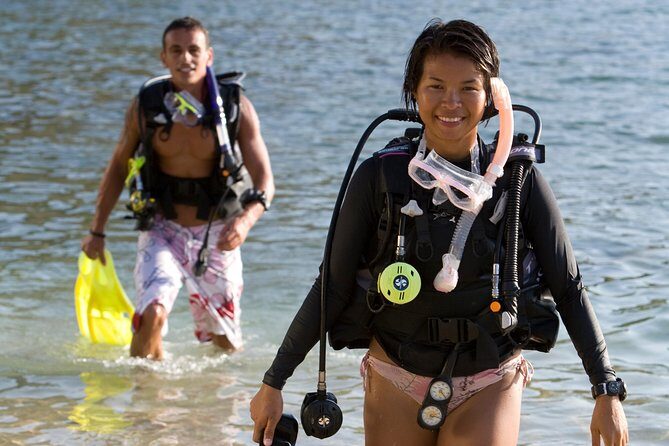
Day 1 is where the course starts getting real. Before you arrive, you complete the educational portion through e-learning. That pre-work is more than a box to tick: it helps you arrive ready to discuss the material that you’ll later apply in the water.
Then you meet the instructor (Charles) in person at Kiwidivers Phuket. The day includes reviewing paperwork, and going through training material that may need reinforcement. You’ll also get fitted for scuba equipment, which is a big deal because comfort and proper fit influence everything from comfort to buoyancy control.
After the paperwork and fitting, you’ll attend pool training. The goal here is to learn your skills in a calmer setting before you’re asked to perform them in open-water conditions. If you’re the type who likes to understand how things work, you should appreciate how the instruction is described in the reviews: Charles explains techniques and safety skills with real-life scenarios, not just rote steps.
Why this matters for you: Day 1 sets your confidence baseline. If you take your time in the pool, Day 2 tends to feel much smoother because you’re not learning everything from scratch while the ocean adds complexity.
Possible drawback: pool sessions can feel more intense than you expect if you’ve never done underwater breathing before. If you’re nervous, it helps to be honest early and go at the instructor’s pace.
Day 2: Beach Training Sessions 1 and 2 (Where Confidence Gets Tested)
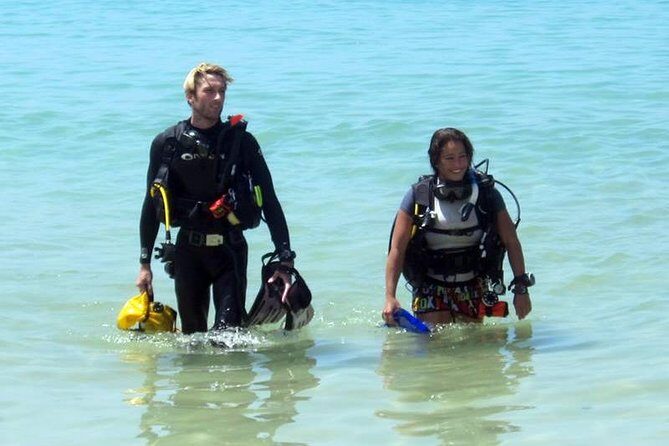
On Day 2, you meet at the beach for training sessions 1 and 2. This is the moment when you transfer the pool skills to open-water conditions. The beach setting is usually more manageable than deeper offshore sites, but you still have to deal with natural factors like waves and changing conditions.
This is also where good instruction makes the biggest difference. Reviews emphasize that Charles guides you through everything and makes you feel safe, even if it’s your first time in water like this. That safety feeling isn’t luck—it’s the result of step-by-step teaching, organized task flow, and clear communication.
Since your group is capped at four participants, you’re less likely to feel rushed. Smaller groups help instructors monitor technique and address mistakes faster, especially when you’re still learning buoyancy and equipment handling.
What you should do to make Day 2 easier: get plenty of rest, eat something light before the session, and don’t “power through” discomfort. If something feels off—your fit, your breathing pace, or your comfort—say so right away.
Day 3: Final Beach Training Sessions 3 and 4 (Certification Day Momentum)
Day 3 follows the same structure: meet at the beach for the final training sessions, 3 and 4. By now you’ve already done the earlier open-water tasks, so the focus shifts from learning basics to demonstrating consistency and control.
This is usually where students either feel proud and calm, or anxious because they worry they’re behind. The good news: the course design builds in earlier practice. If Day 2 went well, Day 3 becomes about proving you can repeat the skills under the course’s requirements.
After successful completion, you receive your logbook and certification for open water scuba diver. That’s a real checkpoint. A logbook isn’t just paperwork—it’s your record to help you continue training later (and it’s often what instructors want to see if you move on to additional courses).
Consideration: you must complete the required training successfully. That’s not meant to be harsh—it’s about safety standards. If you’re prone to stress underwater, consider telling Charles on Day 1 so he can help you set a calm pace.
Instructor Charles and the Teaching Style That Gets Mentioned Again and Again
A major theme in the reviews is how Charles teaches. He’s described as experienced and highly organized, and the course approach is described as very structured: review, practice, repeat, then apply with guidance.
One review specifically notes that Charles provides detailed explanations and tells you the why of techniques and safety skills, plus real-life scenarios for training. That kind of teaching can be a game changer for new divers because it helps you understand what success feels like—rather than just memorizing actions.
Another review highlights reliability and professionalism, plus a comfortable training experience that helped participants complete open water certification with confidence. For you, the practical takeaway is simple: if you want a course where you feel looked after (not just processed), this teaching style aligns with that goal.





Marine Life Expectations: What You’ll See, and What You Should Not Assume
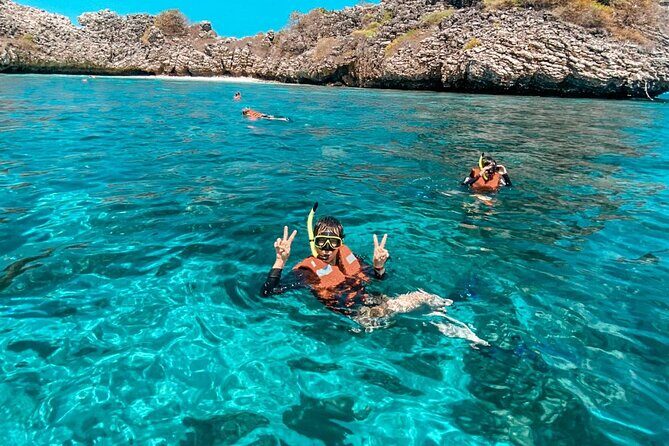
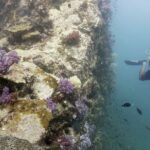
The course is certification-focused, so the primary win is learning and safety skills—not chasing the best photo spot for hours. That said, Phuket’s marine environment is a large part of why people choose this destination, and the description promises opportunities to see marine life in its natural environment once you’re trained.
Keep expectations grounded: the underwater time is part of training requirements. That means you should be ready for a mix of skill work and observation, not a pure “scuba sightseeing” day.
If you love marine life, you can still get great moments. But your best strategy is to see this course as your gateway. Once you have certification, you’ll be in a better position to choose extra outings later when you’re comfortable.
Value Check: Is $503 Fair for a 3-Day Certification in Phuket?
At $503 for a roughly 3-day course, you’re paying for more than just time in the water. You’re paying for structured training stages that include:
- pre-arrival e-learning
- paperwork review and training material reinforcement
- equipment fitting
- pool skill practice
- four beach training sessions (two on Day 2 and two on Day 3)
- a logbook and certification after completion
- a small group experience (max 4)
That matters when you compare value to cheaper, less structured experiences. A certification course has fixed standards and training time, and those costs add up. Here, the schedule is clearly set up to deliver the full sequence without dragging you through random add-ons.
Another value point: the provider uses a mobile ticket, and you get confirmation within 48 hours (subject to availability). That kind of responsiveness reduces last-minute uncertainty.
So yes, $503 can be a fair price if you want certification done properly. If your goal is purely to see fish and take photos, you might consider separate snorkeling or a different type of outing. But if you want the ticket to keep diving later, this is the right category.
Weather and Fitness Rules You Must Take Seriously
This experience requires good weather. If it’s canceled due to poor conditions, you’ll be offered a different date or a full refund. That’s important in Phuket because rain and rough conditions can happen.
On top of weather, there are qualification requirements:
- You must be over 10 years old.
- You need a reasonable fitness level and must not have any medical conditions.
- You’ll complete a health questionnaire prior to diving/scuba activities.
- If you’re under 18, a parent must supervise and the parent must join the scuba activity.
- Flying within 24 hours isn’t recommended after scuba activities.
For you, the practical move is to be honest about health. If you have questions about asthma, heart conditions, or other medical issues, consult your doctor before booking. The course isn’t worth the risk if you’ll be turned away at the medical check.
Where You Meet and When You Start
You start at Kiwidivers Phuket, 1, 20 Soi Lam Sai, Tambon Karon, Amphoe Mueang Phuket, Chang Wat Phuket 83100, Thailand. The start time is 9:00 am, and the activity ends back at the meeting point.
Bring your patience for morning-start logistics. Even when everything is organized, the equipment fitting and prep steps take time, and Day 1 is the most paperwork-and-practice-heavy day.
Who This Course Is Best For
This course is ideal if you:
- want open water scuba certification you can build on later
- prefer an organized instructor with clear safety explanations
- are comfortable swimming and can handle moderate water time
- like small group training (max 4 helps)
It may be less ideal if you:
- have medical concerns and aren’t sure you qualify after the questionnaire
- dislike water-based training and get overwhelmed easily
- need a guaranteed schedule no matter the weather
Should You Book This Phuket Certification Course?
If you want certification with a structured teaching plan, small group attention, and an instructor known for being organized and safety-focused, this looks like a strong bet. The biggest reason to book is the training sequence: e-learning first, pool skills next, then beach sessions that build step-by-step toward certification.
I’d book this if you can handle the requirement side (health questionnaire, fitness, and not flying immediately afterward) and you’re flexible with weather. If you can’t be flexible because of rigid travel dates, consider adding cushion time in Phuket so you’re less likely to get caught by weather delays.
FAQ
FAQ
What certification do I earn at the end of the course?
You complete the open water scuba diver certification, and after successful completion you receive your logbook and certification.
How long is the course?
The course runs for about 3 days.
What happens on Day 1?
You complete e-learning in advance, then meet the instructor for paperwork review and reinforcement of training material. You’ll be fitted for scuba equipment and do pool training.
What happens on Day 2?
You meet at the beach for training sessions 1 and 2.
What happens on Day 3?
You meet at the beach for the final training sessions 3 and 4, and you receive your certification and logbook after successful completion.
Where do I meet the instructor?
You meet at Kiwidivers Phuket, 1, 20 Soi Lam Sai, Tambon Karon, Amphoe Mueang Phuket, Chang Wat Phuket 83100, Thailand. The meeting point is also where the activity ends.
What time does the course start?
The start time is 9:00 am.
How many people are in the group?
The maximum group size is 4 travelers.
Is the course weather dependent?
Yes. The experience requires good weather. If it’s canceled due to poor weather, you’ll be offered a different date or a full refund.
What are the health and age requirements?
You must be over 10 years old with a reasonable fitness level and no medical conditions, and you must complete a health questionnaire before scuba activities. If you are under 18, a parent must supervise and join the scuba activity.