REVIEW · PHUKET
Phuket Scuba Diving: Racha Island Or Maiton Island For All Levels
Book on Viator →Operated by VGA Vacation · Bookable on Viator
First watery steps can feel magical. This Phuket outing mixes small-group coaching with underwater spots around Racha and Maithon, so you spend your time in the sea, not waiting around. I like that the staff keeps it intimate, and you get real instructor attention—names like Chang, Jo, and Eak pop up often in the experience stories.
Two things I’d highlight as standouts: the hands-on training for first-timers and the way the crew runs a tight, organized trip from pickup to onboard snacks. One possible drawback: because it’s a sea day, boat travel time can stretch when wind and conditions get rough, so build in patience.
In This Review
- Key takeaways
- Phuket scuba choices: Racha versus Maithon
- Price and value: what $97.79 buys you
- The small-group format you actually feel
- Your experience options by skill level (beginner to certified)
- If you’re new or you don’t have certification
- If you’re certified
- The boat day: timing, food, and comfort
- Gear basics (and what to double-check)
- Stop-by-stop: what each island day feels like
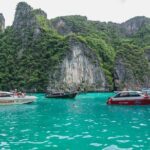
- Ko Mai Thon / Maithon Private Island: quieter water, more personal
- Ko Racha Yai: the main coral-and-life spot
- Ko Racha Noi: the highlight when the itinerary includes it
- Coral Island: a quick add-on depending on the plan
- Marine life and the reef-touch rules you should take seriously
- Safety and comfort: the stuff that makes or breaks the day
- What if you’re not doing the underwater portion?
- Booking decisions: who should pick this tour?
- Should you book Phuket scuba around Racha or Maithon?
- FAQ
- FAQ
- How long is the Phuket Racha or Maithon experience?
- Does the tour include pickup?
- Do I need scuba certification?
- Can I participate if I can’t swim?
- What’s the minimum age for children?
- What’s included in the price?
Key takeaways
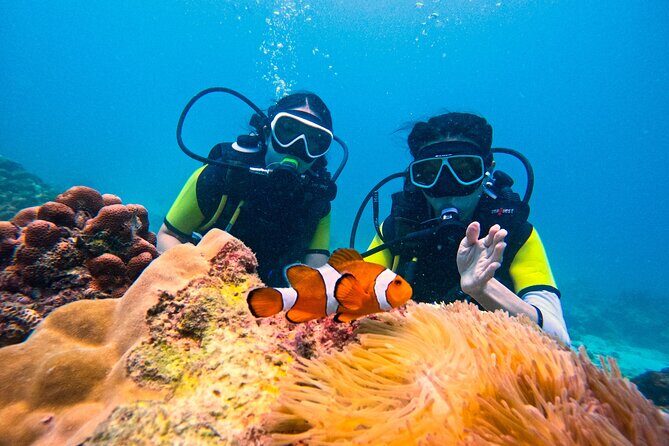
- Max 2 divers at a time in the water, which makes feedback fast and practical
- Racha Yai and Racha Noi are the main show for coral and big marine life
- Maithon (Mai Thon/ Maithon Private Island) is quieter and known for dolphin sightings
- Beginner options include no-experience training, with packages designed for different comfort levels
- Snacks, fruit, and drinks are included, not just a quick rinse-off and goodbye
Phuket scuba choices: Racha versus Maithon
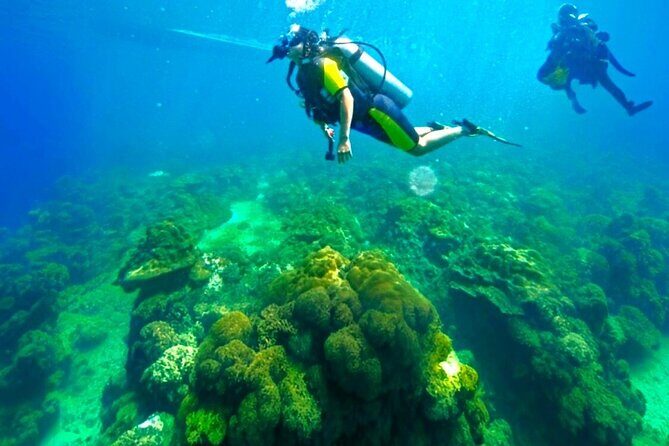
This trip is set up around two very different underwater days: Racha for classic “seen-it-on-postcards” marine life, and Maithon for a calmer, less busy feel.
On Racha days, you can expect open-water interest like turtles and manta rays (not guaranteed, but the sites are known for it). On Maithon days, the pitch is exclusivity and privacy—plus Maithon is also associated with dolphin sightings. If you like your day to feel less crowded and more like a focused session, Maithon tends to make more sense.
You can also read our reviews of more scuba diving tours in Phuket
Price and value: what $97.79 buys you
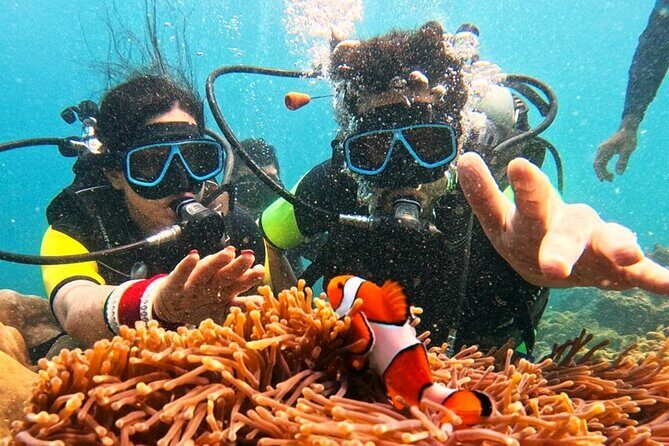
At $97.79 per person, this is one of those Phuket deals that only feels “cheap” when you look at what’s included. The big value points are:
- Equipment is included: mask/snorkel, fins, BCD, weights, regulator, and air tank
- Snorkeling gear is included for non-divers (mask)
- Instructors and insurance are included
- You get bottled water, soda, and onboard snacks/fruit
- Certain packages include meals (breakfast for A2/A3, and lunch for A1/A2/A3)
When you compare that to the typical Phuket pattern—paying extra for gear, paying extra for boat time, paying extra for instruction—this one stacks the basics into the base price. If you’re a beginner, that instruction time is the real bargain.
The small-group format you actually feel
The operator advertises a max group size of 12 travelers. More important, though, is what happens once you’re in the water: it’s designed around max 2 divers (for the instructor ratio). That’s the difference between a generic briefing and a “watch you, adjust you, help you” day.
In the experience notes, first-timers repeatedly mention feeling safe and supported. Names like Chang and Bobby come up with that patient, step-by-step style, especially when people were nervous at the start.
Your experience options by skill level (beginner to certified)
This is where the tour is smart: it offers different formats so you’re not locked into one kind of day.
If you’re new or you don’t have certification
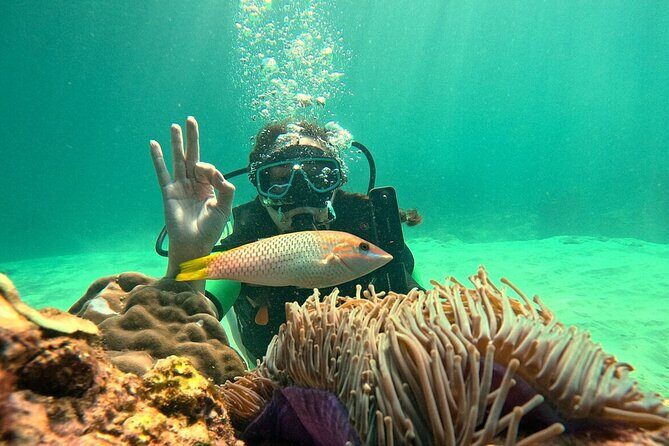
You’ll be routed into packages built for comfort and training. The program describes options where you don’t need prior experience, and it even states that people who can’t swim can participate for these beginner choices.
You can choose shorter or longer underwater time depending on your package:
- A short “try” style option with about 30–35 minutes from a beach-focused start (great if you want photos and a first taste)
- A longer “discover” style option that builds up with more underwater time





If you’re certified
Certified divers have options that focus on guided tanks plus either a skills review or just fun guided underwater time. There are versions tied to Racha only (A1 / Racha Yai) or Racha Yai plus Racha Noi (A3), plus Maithon-based plans (B1) for certified-level underwater sessions.
If you’re certified but haven’t been in a while, the “review” style choice is often the least stressful way to get your buoyancy and air planning back under control.
The boat day: timing, food, and comfort
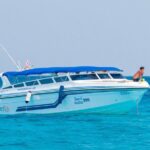
This is an around-4-hour half-day schedule. It runs from a fixed meeting point at Chalong Pier (the address is listed right at the start), and the operator offers pickup.
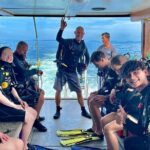
Once onboard, you’re not stuck on dry crackers. Snacks, fruit, and drinks are included between underwater sessions, and the experience notes mention the food being a real part of the day—not an afterthought. One review even called out the refreshment variety (sweet and savory snacks plus fresh fruit).
Gear basics (and what to double-check)
Included gear covers the essentials: mask/snorkel, fins, BCD, weights, regulator, and tank. You also have snorkeling mask included if you’re not doing the underwater part.
If you wear contacts, you’re not the first person to think about mask fit and lens compatibility. The key is simple: try your mask early during fitting and let the team adjust it so you’re not fiddling underwater.
Stop-by-stop: what each island day feels like
Here’s the part you really care about: where you go and why each stop matters.
Ko Mai Thon / Maithon Private Island: quieter water, more personal
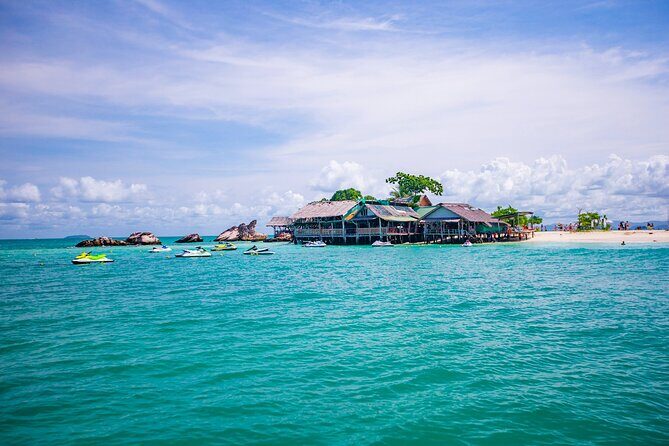
On Maithon half-day plans, your main underwater focus is the Mai Thon area. The positioning is clear: non-touristic, private-feeling, and a place where you’re more likely to feel like you have the water to yourself.
Maithon is also known for dolphins, so you’re not only watching reef life—you’re also keeping an eye out from the surface during boat movement and timing gaps.
A practical drawback: because it’s a calmer day, your “wow” will depend on visibility and sea conditions that day, not just the underwater scenery.
Ko Racha Yai: the main coral-and-life spot
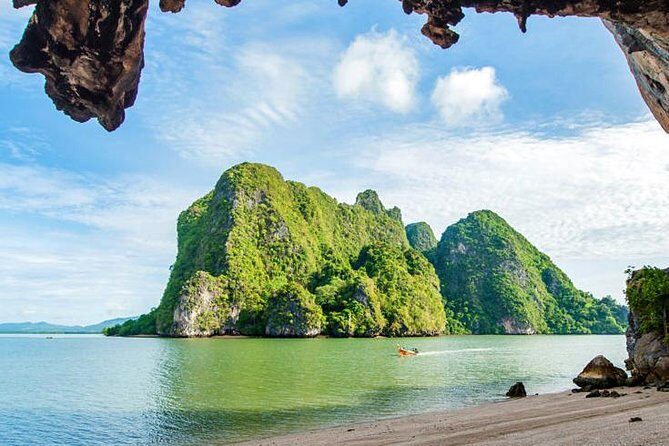
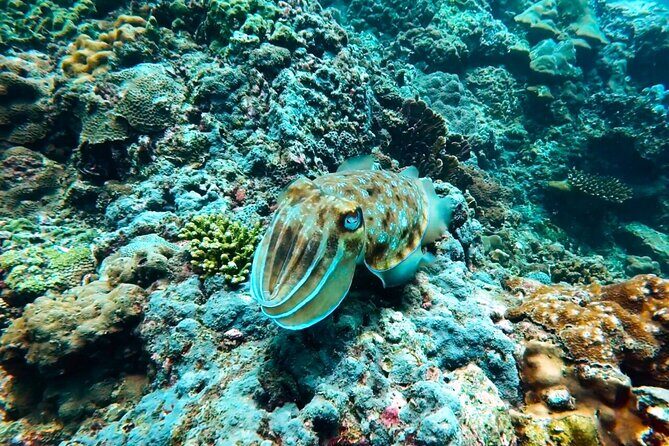
Racha Yai is commonly treated as the anchor of the itinerary. This is where you expect coral gardens and the bigger wildlife encounters people talk about most, like turtles and manta rays.
For beginners, Racha Yai is also a strong choice because the team can structure tanks around your comfort level. For certified divers, it’s a place to practice steady control and enjoy the life rather than rush.
Ko Racha Noi: the highlight when the itinerary includes it
When the plan includes Racha Noi, that’s typically the featured stop. It’s described as the highlight for some multi-tank options, and that matches what you’d hope for on a short half-day: you don’t want your best underwater spot to be halfway over.
If you’re trying to decide between a Racha-only day and a Racha-plus-Noi day, this is the simplest logic: more spots can mean more variety, but you’ll feel it most if you’re comfortable enough to enjoy each tank instead of getting fatigued.
Coral Island: a quick add-on depending on the plan
Coral Island shows up as part of the broader route. Think of it as part of the “legs” of the day rather than the full storyline. When water conditions are good, the schedule flows smoothly. When conditions are rough, you’ll feel the extra transit more than you’d like.
Marine life and the reef-touch rules you should take seriously
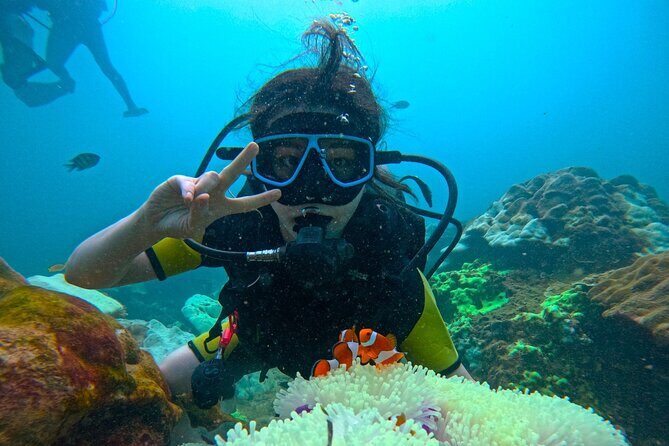
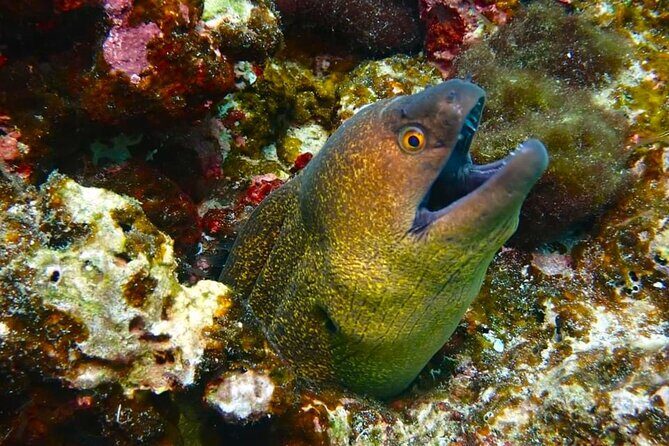
One of the biggest themes in the overall experience vibe is how the team handles safety and control. Some feedback included concerns about coral handling (touching coral can damage it and can harm the reef long after you leave). In the better-run sessions, you’ll be taught early to keep your hands to yourself and maintain buoyancy.
Here’s the practical takeaway for you: if you’re new, your job is to control buoyancy and keep distance. When you do that, you’ll usually get closer-looking reef life without contact problems. It also makes the instructors’ work easier, which can affect how relaxed your session feels.
Safety and comfort: the stuff that makes or breaks the day
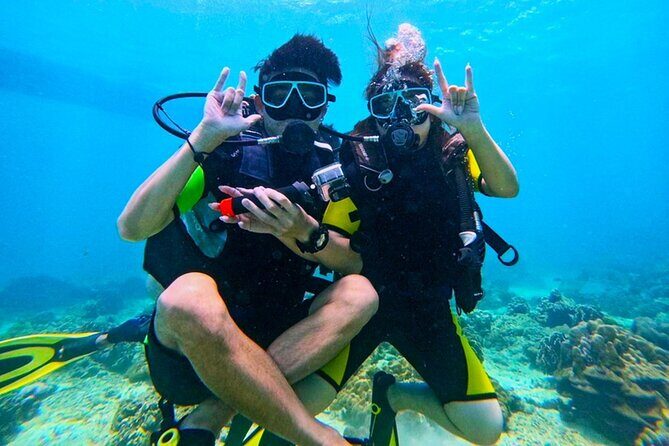
A well-run scuba session is mostly about small moments:
- clear instruction before you enter the water
- slow, controlled descent
- and quick fixes when someone’s equalization feels off
In the positive experiences, instructors are described as patient, attentive, and good at explaining what to do before it happens. Names like Eak, Chang, Jo, Bobby, and David come up in different combinations, and the common thread is coaching that matches your skill level.
The negative feedback to take seriously is this: if you descend too fast, ear pressure problems can happen. If that’s you—especially if you’re nervous—tell the instructor right away, slow your pace, and follow their timing.
What if you’re not doing the underwater portion?
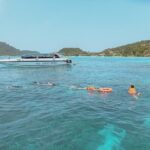
If you bring a friend or partner who wants to snorkel instead of doing the underwater tanks, snorkeling is included for non-divers with a snorkeling mask. That’s handy when you’re traveling with mixed skill levels.
The overall feel from the experience notes is that scuba divers see more coral detail and fish behavior up close, while snorkelers still get a good view from above. That makes this a decent “split-choices” day for families.
Booking decisions: who should pick this tour?
This trip is a strong match if:
- you want an instructor-led experience with attention to beginners
- you like a short half-day format (about 4 hours)
- you value included gear, insurance, and onboard snacks
- you’re choosing between Racha’s classic marine life and Maithon’s quieter feel
It’s less ideal if:
- you’re extremely prone to ear pressure issues and you can’t equalize comfortably
- you want a hands-off sightseeing experience with zero coaching
- you’re looking for a private, no-sharing boat day (the program is small-group, not private by default)
Also, note the age rule: only children age 10 and up can participate, and participants must be fit and healthy.
Should you book Phuket scuba around Racha or Maithon?
Yes, if you want real instruction and you’d rather have a team that watches you than a trip that moves on without you.
I’d book it for one simple reason: the structure is designed around making different comfort levels work—beginner packages with training support, and certified options with skills review or extra guided underwater time. Add in the included gear, insurance, and snacks, and this becomes a solid value day on Phuket’s island circuit.
If you’re on the fence between Racha and Maithon, use this logic:
- Choose Racha if you want the classic big-life reef reputation.
- Choose Maithon if you want a quieter, more private-feeling outing and you’re interested in dolphin chances.
FAQ
FAQ
How long is the Phuket Racha or Maithon experience?
It’s about 4 hours (approx.).
Does the tour include pickup?
Pickup is offered. The tour also lists private roundtrip transfer costs for certain areas if you need that service.
Do I need scuba certification?
No. Beginner and non-certified options are available, including packages designed for people with no prior experience.
Can I participate if I can’t swim?
For the beginner/non-certified options, the program states that people who cannot swim can still participate.
What’s the minimum age for children?
Only children age 10 and up may participate.
What’s included in the price?
Included items cover instructor-led instruction, scuba equipment rental, snorkeling mask for non-divers, insurance, bottled water plus soda, and onboard snacks/fruit. Meals depend on the package you choose (breakfast for A2/A3 and lunch for A1/A2/A3).