REVIEW · PHUKET
Phuket: Elephant Jungle Sanctuary Ethical Feeding Experience
Book on GetYourGuide →Operated by Elephant Jungle Sanctuary Phuket · Bookable on GetYourGuide
Hand-feeding elephants feels unreal. At Elephant Jungle Sanctuary Phuket, the ethical feeding program lets you get close without the usual elephant tricks, and the guide helps you understand what you’re seeing. The 1-hour pace is also the main catch, since there’s less time for deep questions than some people expect.
You’ll start at Elephant Jungle Cafe, meet your guide (names like Hannah and Michael come up in the staff love), and then move into the feeding area. I like that the interaction is framed around elephant behavior and welfare, not performance. One more note: it’s an intimate experience, so if you’re looking for a long, lecture-style lesson, you might wish it ran a bit longer.
In This Review
- Quick hits for your Feed Me day
- Elephant Jungle Sanctuary Phuket and the Feed Me idea
- Meeting at Elephant Jungle Cafe: the start of your sanctuary visit
- Hand-feeding time: fruit or grass, and why the rules matter
- The guide briefing: elephant personalities, rescue context, and safety cues
- What’s ethically strong here, and what to consider before you book
- Price and value: what $28 includes (and what you’ll pay extra)
- Who should do this ethical elephant feeding experience in Phuket
- Practical tips: what to bring and how to make the photos work
- Should you book Elephant Jungle Sanctuary Phuket Feed Me?
- FAQ
- How long is the Phuket Feed Me elephant experience?
- What do I feed the elephants?
- What’s included in the $28 per person price?
- Where do I meet for the experience?
- Do I need transportation to get there?
- What should I bring with me?
- Is the experience wheelchair accessible?
Quick hits for your Feed Me day
- Ethical, no-riding approach that focuses on safe feeding and observation
- Vet-provided fruit or grass guides what the elephants eat
- A real guide briefing on behavior, personalities, and how to act
- Short and sweet timing makes it easy to fit into a Phuket day
- Optional respectful contact like petting only when caretakers say it’s okay
- A soft drink at the end while you reset and reflect
Elephant Jungle Sanctuary Phuket and the Feed Me idea
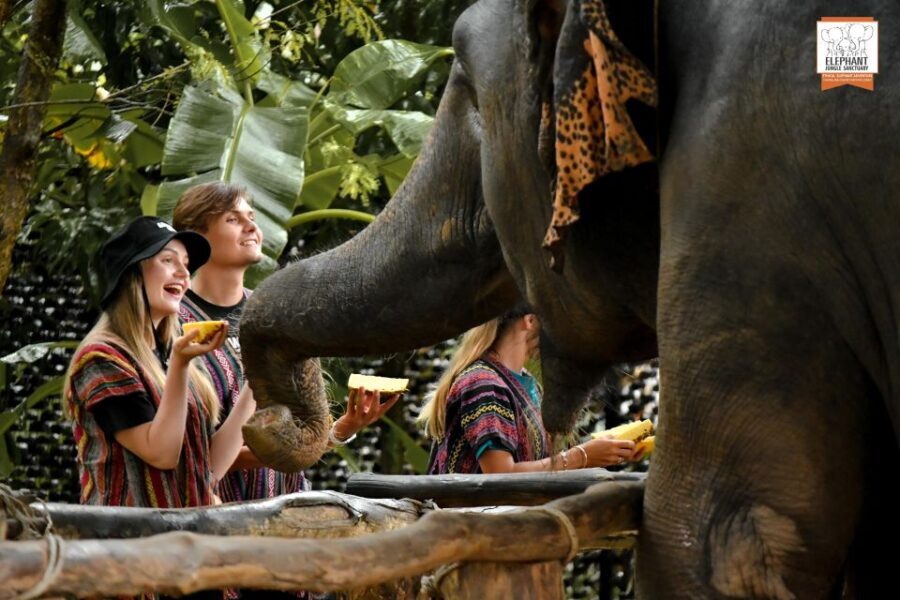
Phuket has no shortage of elephant experiences, but not all of them treat elephants like animals with preferences and boundaries. The Elephant Jungle Sanctuary Phuket Feed Me program is built around a simple concept: you feed and observe, and the staff takes care of the rest.
What makes this one feel different is the tone you’re given from the start. You’re not being pushed toward stunts. You’re being coached on how to behave around elephants in a way that supports their comfort and safety. That mindset matters, because elephants react to pressure. When people follow the rules and keep a calm presence, the whole experience feels more grounded for both you and the elephants.
The second big reason this experience works well is the human part. You don’t just show up and point at elephants. You get a guide-led session where you can learn what you’re noticing: behavior cues, personalities, and what welfare looks like in practice. It’s not a museum lesson. It’s more like, pay attention to what the elephant is doing, then ask questions.
The main trade-off is time. The activity duration is about 1 hour, including feeding and walking around the feeding area. For some people, that’s perfect. For others, it feels brief.
You can also read our reviews of more tours and experiences in Phuket.



Meeting at Elephant Jungle Cafe: the start of your sanctuary visit
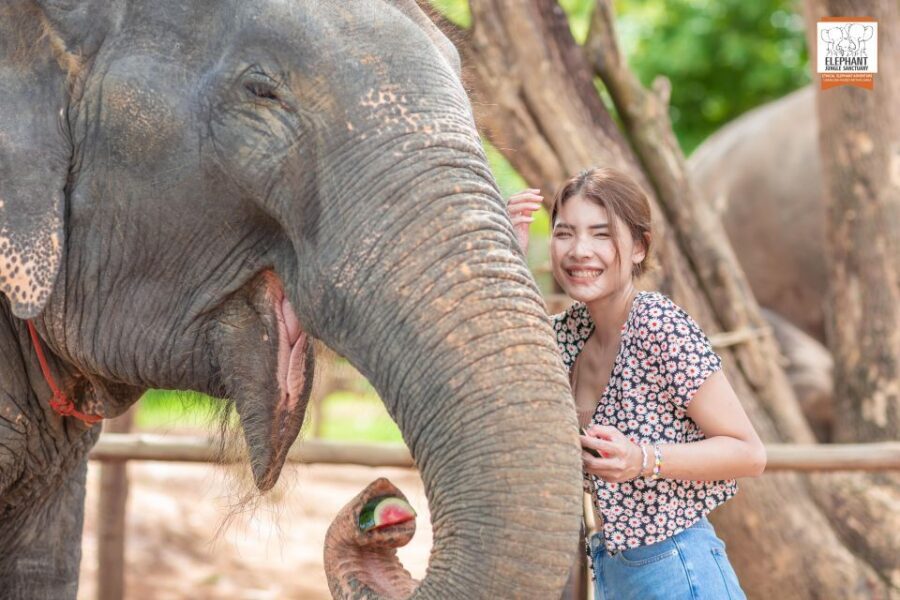
Your day begins at Elephant Jungle Cafe, which is also the listed meeting point. This matters because you’re not dealing with complicated pickups. You can plan your schedule knowing exactly where to be.
You’ll check in with the sanctuary team and you’ll have a live guide with English and Thai. The program also notes a skip-the-ticket-line benefit, which is helpful if Phuket traffic has you already stressed.
Expect the start to focus on the basics of how to be a respectful visitor. Even if you’ve fed animals before, elephants aren’t livestock. They’re big, smart, and sensitive to body language. So your guide’s opening talk is where you get your rules: how close to stand, what not to do, and how to read when an elephant is calm versus curious or distracted.
This is also where you’ll learn what you’ll actually feed. The food is provided as elephant feed (fruit or grass), and the note about the elephant vet matters. It signals that food types and feeding behavior aren’t random.
Once that guidance clicks, the rest of the session usually feels easier. You’re not improvising. You’re following a plan built for the elephants’ comfort.
Hand-feeding time: fruit or grass, and why the rules matter
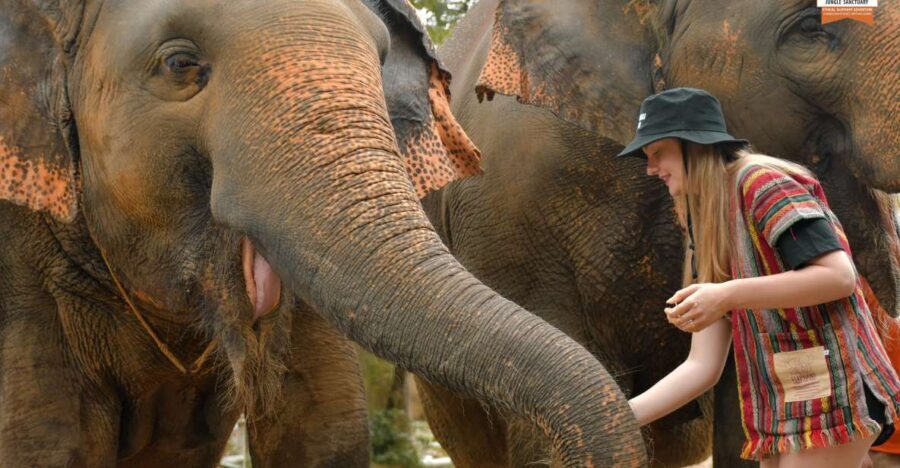
The core of the Feed Me program is right here: you feed elephants during a short, guided window. The time on-site is listed as 1 hour, and it includes both feeding and walking around the feeding area.
The biggest practical detail is that the elephants are fed fruit or grass provided by the elephant vet. That matters because it helps keep feeding focused on what’s appropriate rather than what humans think is fun. It also helps prevent the all-too-common tourist problem where visitors treat the encounter like a photo-op buffet.
During the feeding portion, the experience stays close, but not chaotic. You’ll be directed on how to approach and how to present food. If you’ve got a camera, you’ll likely want it ready, because the moment you offer food is also the moment the elephant decides how curious it wants to be.
Some people also mention extra moments like watching elephants bathe or play. You shouldn’t count on a specific scene every time, but if the elephants are active that day, you may catch behaviors that make the whole experience feel alive instead of staged.
One more thing I appreciate: the program is framed around respectful interaction. That means there can be boundaries on physical contact. Several mentions point to caretakers indicating which elephants are comfortable with touch and which ones are not. If contact happens, it’s because the staff says it’s okay, not because you grabbed the moment.
The guide briefing: elephant personalities, rescue context, and safety cues
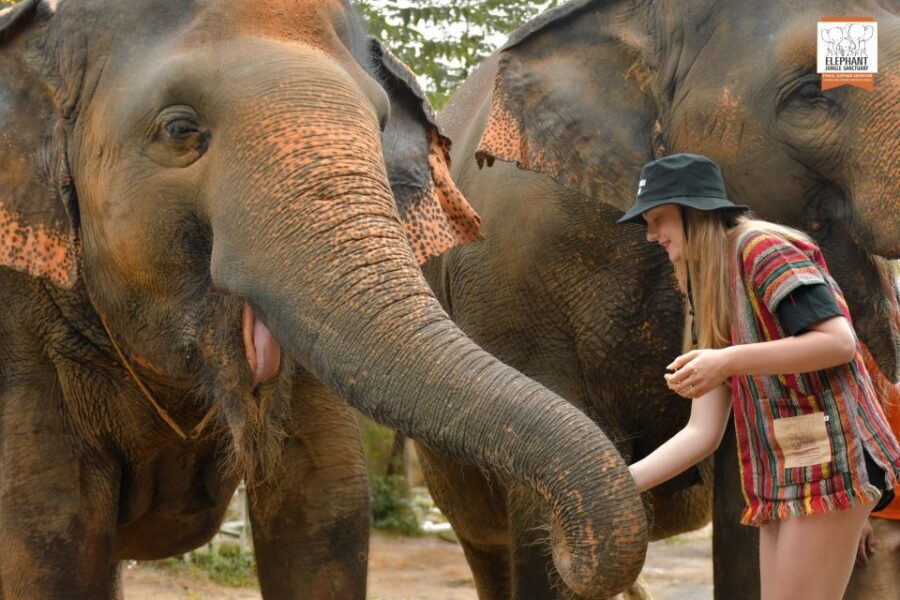
The guide portion is where your experience becomes more than a close-up selfie moment. You’ll learn about the elephants from your sanctuary guide, including behavior and personality notes that help you understand what you’re watching.
In the feedback you’ll see names like Hannah and Michael praised for answering questions and guiding people through what to look for. That’s a real value-add, because elephant “body language” isn’t obvious if you only have a few minutes.
A good guide also helps you avoid common mistakes:
- Standing too close or moving suddenly
- Treating every elephant as equally friendly
- Ignoring the staff when they adjust how the group interacts
This is also where ethical education shows up. You’ll hear the sanctuary’s commitment to welfare and how the place handles rescues. One of the stronger themes in the information people received is that these elephants are rescued domestic elephants and the facility focuses on care rather than entertainment.
You may find that the talk is clear but not overly long. That matches the short 1-hour total duration. If you want a deep, hour-by-hour lecture about each elephant, you might leave wanting more. If you’re happy with a strong orientation that helps you observe responsibly, it’s a good fit.
What’s ethically strong here, and what to consider before you book
Let’s talk about ethics in practical terms, not slogans. The Feed Me program is positioned as an ethical alternative: you can feed and interact responsibly, but you’re not doing rides or shows as part of the experience.
That’s a major plus for anyone who’s cautious about elephant welfare after seeing questionable “sanctuary” marketing elsewhere. The program explicitly matches the kind of encounter you want: close contact through feeding and observation, with staff guidance keeping the elephants’ needs in the spotlight.
Another ethical strength is how the staff manages interactions. People mention that caretakers help set boundaries about touching and encourage respectful behavior rather than turning the encounter into a performance. That matters because elephants aren’t props.
Now, the consideration: you’re spending a limited chunk of time in the feeding area. So if what you really want is a long, slow, immersive day of learning, this might feel like an appetizer. It’s more like a focused, well-managed introduction.
Also, your experience depends on timing. The schedule uses a “Feed Me” program with starting times you can choose based on availability and your budget. If you’re flexible, you can pick a slot that works with the rest of your Phuket day. If you’re not flexible, you may end up with a time that’s less ideal for your energy or photography.






Price and value: what $28 includes (and what you’ll pay extra)
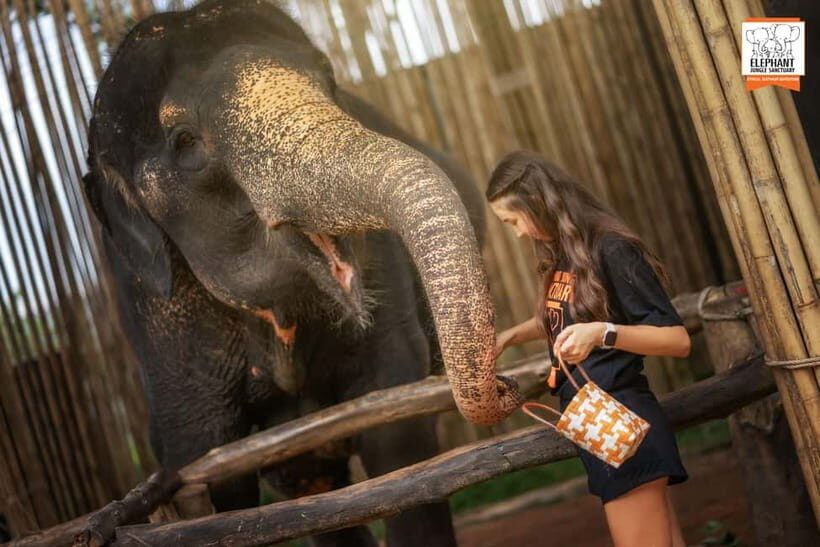
At $28 per person, this isn’t a free activity, but the value is in what’s packed in.
Included:
- Elephant Jungle Sanctuary Phuket entry
- Guide
- Elephant food (fruit or grass)
- 1 soft drink
Not included:
- Transportation
So your cost isn’t just “a ticket to see elephants.” You’re paying for entry plus guide time plus food provision plus the feeding interaction setup. That’s why the price often feels fair compared to experiences that only offer viewing with minimal guidance.
The soft drink is a small thing, but it’s a nice reset moment at the end. After standing, walking around the feeding area, and focusing on the elephants, you’ll likely want something cool.
Transportation is the variable. If you’re staying in Phuket with easy rides available, you can handle it. But if you’re far from the meeting point, you’ll want to budget for getting yourself to Elephant Jungle Cafe.
If you want the best value, go with an open plan. Don’t cram the schedule right after your session. A calm next block of time helps you digest what you saw and learn from the guide without rushing out the door.
Who should do this ethical elephant feeding experience in Phuket
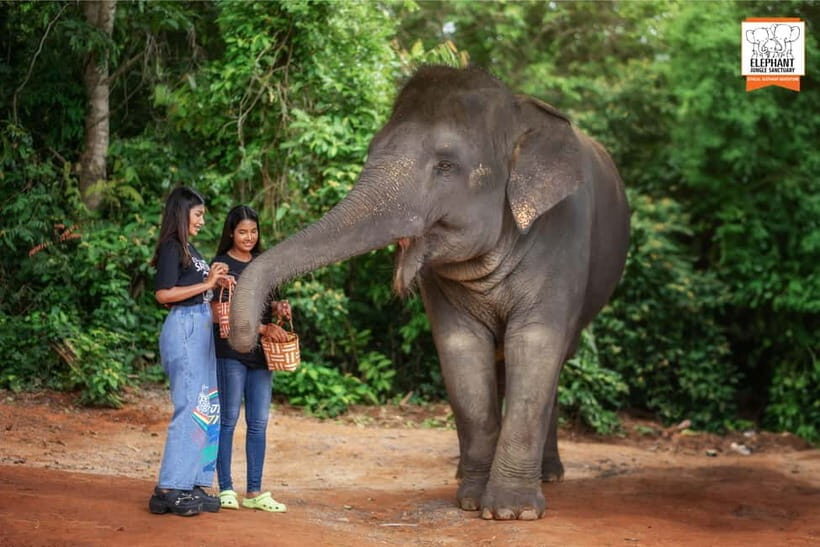
This Feed Me experience is a strong match if you:
- Want a close encounter that still respects elephant welfare
- Appreciate guidance that explains what you’re seeing
- Prefer a short activity you can fit into a day instead of a long half-day tour
It’s also ideal for people who feel uneasy about the flashy elephant activities in Thailand that involve riding, bathing for entertainment, or staged tricks. Here, the focus stays on feeding, observation, and learning.
If you’re traveling as a family, it can work because the session is structured and the total time is clearly set. If you’re a solo traveler, it’s also easy: the guide and group flow are handled for you, and you can concentrate on the interaction.
It might not satisfy you if you’re looking for a long, deep education program with lots of time for questions. The 1-hour format means you’ll get a helpful overview and then the elephants take over.
Practical tips: what to bring and how to make the photos work
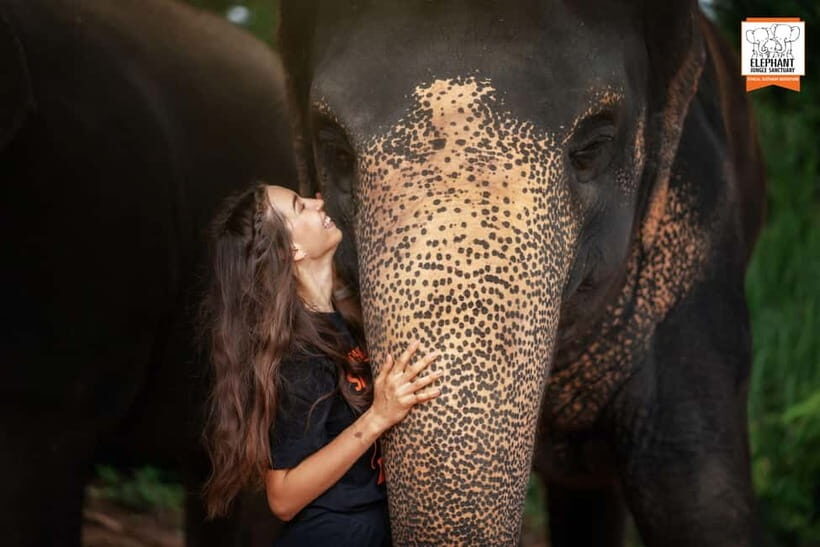
Here’s what you should bring for the Feed Me session:
- Hat
- Camera
- Sunscreen
- Insect repellent
- Passport (a copy is accepted)
Phuket sun can be intense, even when the sanctuary feels shaded. A hat and sunscreen are basic gear, and insect repellent is smart because the sanctuary environment is natural.
For photos, keep your camera ready but don’t block the feeding flow. The best shots usually come when you’re positioned according to the guide’s directions. If you try to sprint around for angles, you’ll slow the group and potentially distract the elephants.
If you plan to touch/pet an elephant, only do it if caretakers indicate it’s okay for that specific elephant. The whole point is respectful interaction, not chasing contact.
Also, remember the pace: feeding plus walking around the feeding area is the whole session. That means you’ll want to arrive on time so your group doesn’t lose time at the start.
Should you book Elephant Jungle Sanctuary Phuket Feed Me?
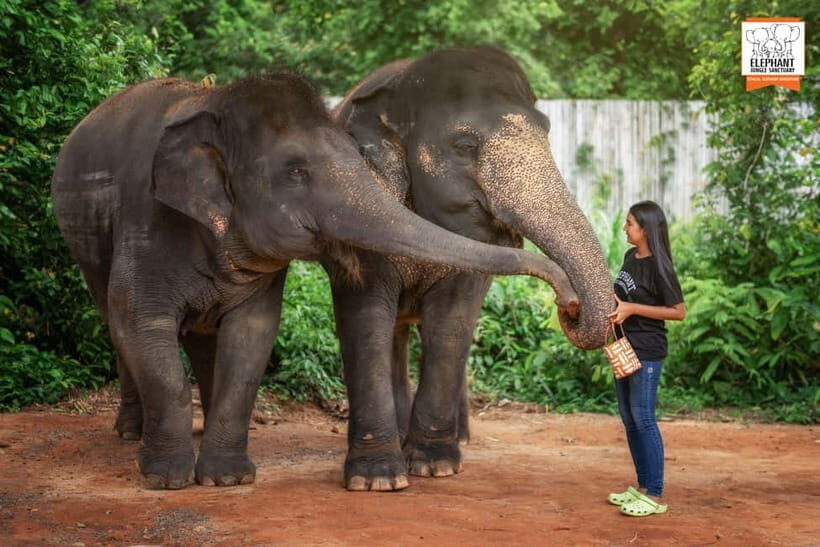
If your goal is an ethical elephant feeding experience in Phuket that’s short, guided, and focused on welfare, I’d say book it. The guide-led briefing, the vet-provided food, and the no-rides, no-show approach are exactly the ingredients that make this worth your time.
It’s especially worth it if you want something you can do without a full day commitment. You’ll still feel the emotional weight of being near elephants, but you won’t have to rearrange your entire itinerary.
Just go in with the right expectations: this is a focused session, not an all-day deep education. If you want more time, pair it with other low-impact animal and nature experiences in Phuket so the day still feels balanced.
If you’re thoughtful about ethics and you follow the staff instructions, this is one of the clearer, safer choices for elephant encounters in the area.
FAQ
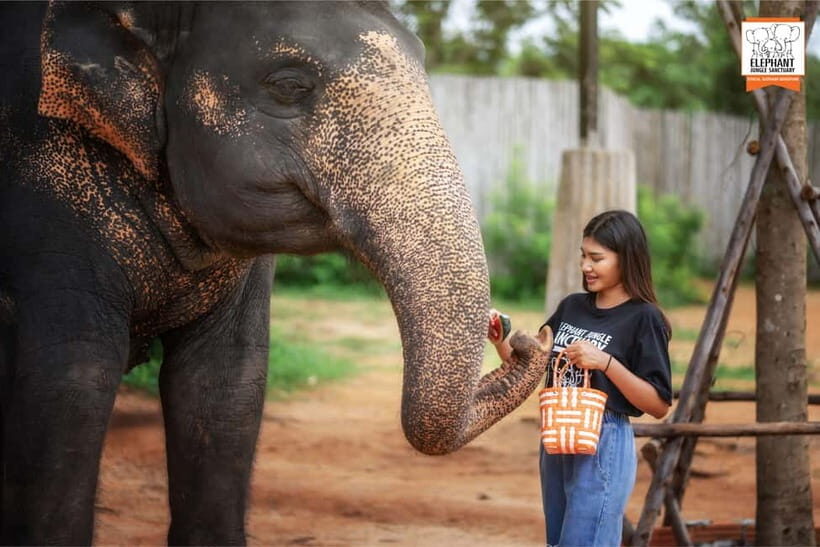
How long is the Phuket Feed Me elephant experience?
The activity duration is listed as 1 hour, and that includes feeding the elephants and walking around the feeding area.
What do I feed the elephants?
You’ll be provided elephant feed, which is fruit or grass. The feed is provided by the elephant vet.
What’s included in the $28 per person price?
Included are Elephant Jungle Sanctuary Phuket entry, a guide, elephant food, and 1 soft drink.
Where do I meet for the experience?
Meet at Elephant Jungle Cafe.
Do I need transportation to get there?
Transportation is not included, so you’ll need to arrange how you get to the meeting point.
What should I bring with me?
Bring a hat, camera, sunscreen, and insect repellent. You should also bring your passport (a copy is accepted).
Is the experience wheelchair accessible?
The activity is listed as wheelchair accessible.