REVIEW · PHUKET
Kata Beach Diving for Beginners Pool Training and 1 Beach Dive
Book on Viator →Operated by Phuket Dive Tours · Bookable on Viator
Scuba training that feels doable. This Phuket day is a beginner-first setup with full scuba equipment and patient coaching (you’ll hear the difference fast once you learn to control your breathing). You’ll also walk roughly 50m across the beach in gear to reach the water, so plan for that sand trek and keep a moderate fitness level.
What makes the experience interesting is the pace: first you build confidence in a controlled pool, then you move to a shallow reef area off Kata Beach to see corals and tropical fish. I like that the reef portion is focused on non-certified divers, with instruction and guidance before and during the sea time.
One more practical note: the itinerary depends on conditions, and you’ll want good weather for the plan to run as scheduled. The upside is that you’re not paying extra for equipment or instruction—most of what beginners need is already handled.
In This Review
- Quick hits for Kata Beach beginner scuba in Phuket
- A beginner-first day plan: pool practice, then shallow reef time off Kata Beach
- Phuket pickup to boat ride: how the morning usually feels
- Pool training: where you learn breathing and buoyancy without panic
- Kata Beach reef swim: what you can realistically expect to see
- Equipment and comfort: wetsuit, BCD, mask, regulator, fins
- Instructors who slow things down for true beginners
- Food breaks and how they help you enjoy the whole day
- Price value for a full beginner package at about $114
- Timing, group size, and the one logistics detail that can trip you up
- Weather matters: what happens if conditions don’t cooperate
- Who should book this Phuket beginner scuba course
- Should you book it or pass?
- FAQ
- Do I need scuba certification to join this experience?
- Is there any pool training before the open-water part?
- What sea location is used for the experience?
- How long does the tour last?
- What scuba equipment is included?
- Is lunch included, and are there vegetarian options?
- Does the price include hotel pickup and drop-off?
- Is scuba insurance included?
Quick hits for Kata Beach beginner scuba in Phuket

- Full gear included: wetsuit, buoyancy control device, mask, regulator, and fins are part of the price.
- Pool practice first: you get coached before you’re in open water, so you know what to do with your breathing and buoyancy.
- Shallow reef focus off Kata Beach: expect colorful corals, tropical fish, and the chance to spot sea turtles.
- Small-group feel: capped at a maximum of 30 people, with certified instructors guiding you.
- Food taken care of: breakfast and lunch are included, plus snacks, water, and hot drinks.
- Beach entry requires walking: expect a short trek across sand while wearing scuba gear.
A beginner-first day plan: pool practice, then shallow reef time off Kata Beach

This is designed for people who are new to scuba. You start with an introductory lesson format and you’ll use scuba equipment right away, but in stages that keep you from feeling thrown into the deep end.
The day typically runs around 8 hours, with hotel pickup and drop-off. You’ll first do a pool training session, then move into the open-water part near Kata Beach for a shallow reef experience where you can watch marine life.
The pool-to-reef flow matters. In the pool, you can learn what “right” feels like—how to breathe steadily, how to control your buoyancy, and what to do when you’re in a new body position. Then, when you’re at the reef, your attention shifts from technique to spotting fish, coral, and other wildlife.
You can also read our reviews of more scuba diving tours in Phuket

Phuket pickup to boat ride: how the morning usually feels
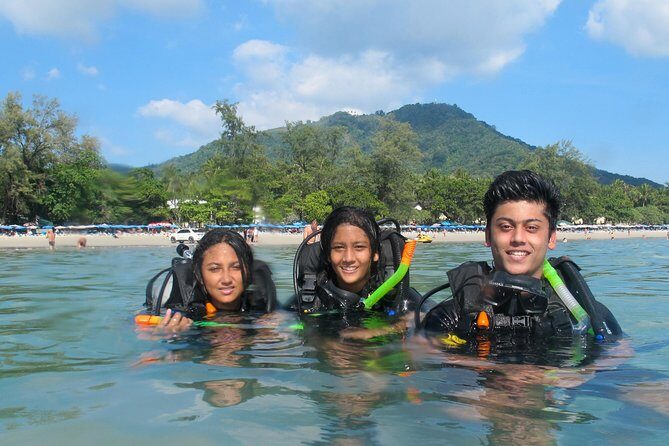
You’ll get picked up from your hotel (or a nearby pier area) and the operator uses a mobile ticket system. Pickup is free for several common Phuket zones, including Kamala, Patong, Karon, Kata, Chalong pier, and Rawai, while other locations may cost extra.
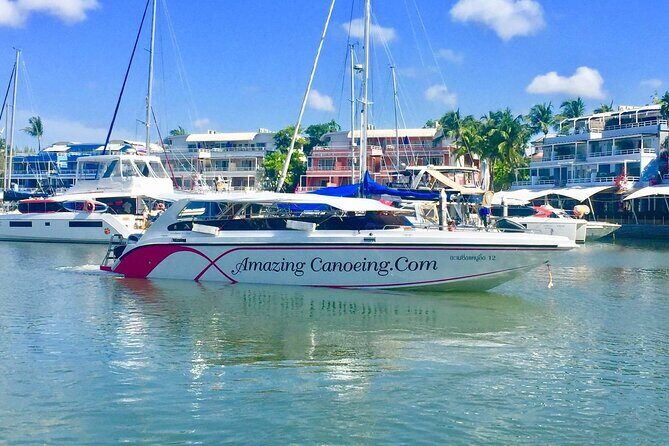
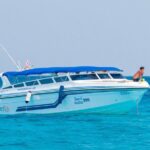
After pickup, you head toward the departure point by land, then out by boat. One part of the plan involves heading to the Koh Racha Yai area before the sea portion starts, so expect some time on the water, plus the normal “new activity” energy you get on mornings like this.
Bring your patience for the sand-to-water transition. Even with good instruction, scuba gear makes everything feel heavier and slower, especially when you’re walking across beach sand. Plan to wear comfortable clothes under your wetsuit and keep your “dry” items protected for the ride.
Pool training: where you learn breathing and buoyancy without panic
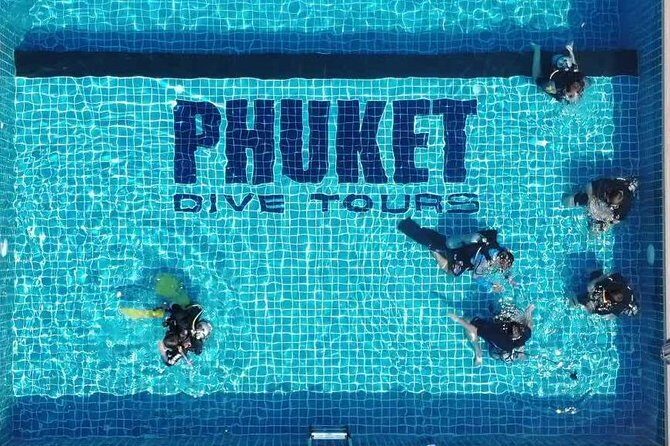
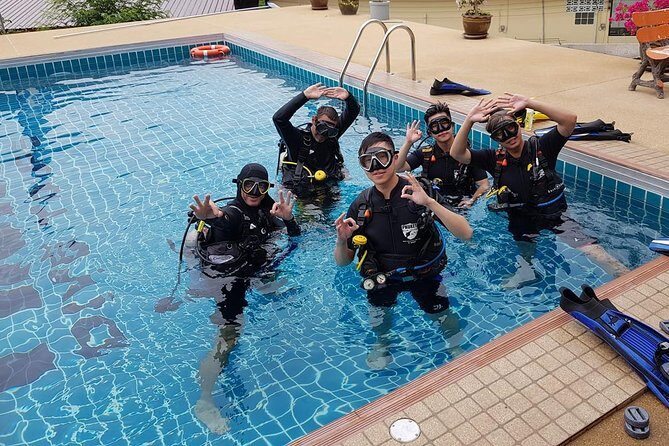
The pool session is your confidence builder. This is where you practice core skills with a certified instructor watching you, before you’re ever relying on feel under the surface.
From the feedback I’ve seen, the biggest breakthrough for first-timers is learning that you shouldn’t treat breathing like a reflex you can forget. When instruction clicks, you stop holding your breath without realizing it, and suddenly the whole experience feels calmer.
You’ll also learn how your gear works as one system. The buoyancy control device matters because it helps you stay at the level you need without fighting your body position. The mask and regulator are also part of the learning curve—if you’ve never used them, it can feel strange at first, even when the equipment fits.
If you’re a little nervous, this is where that nervous energy turns useful. You’re not trying to “perform” underwater; you’re practicing basics so the open-water time can be about seeing Thailand’s sea life instead of troubleshooting.
Kata Beach reef swim: what you can realistically expect to see
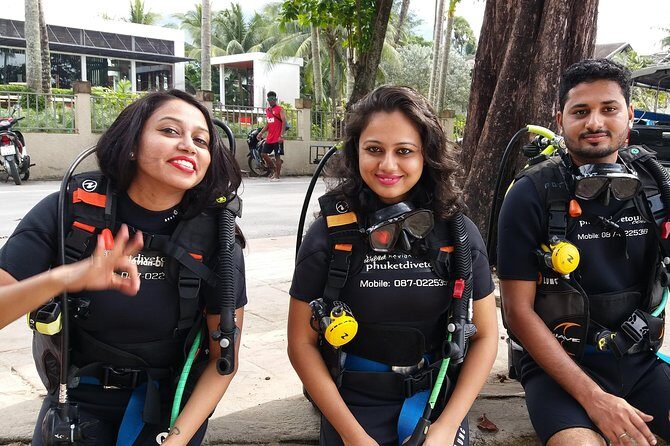
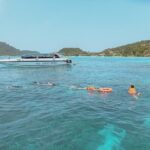
The sea portion is focused on a shallow reef area off Kata Beach. That means your experience is more about floating and moving calmly near coral than about going far into unknown conditions.
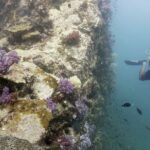
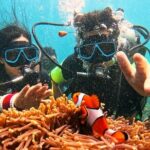
Marine life expectations are clear: you may see tropical fish, colorful corals, and the chance to spot sea turtles. You may also notice other reef creatures, but the main promise is that the water is full of life close enough to enjoy without needing advanced skills.
This is also where instruction still matters. You’ll receive guidance before and during your time in the water, so you’re not left to figure everything out on your own. For beginners, that “someone’s keeping an eye on me” feeling is often the difference between enjoyment and stress.
One practical detail: getting into the water involves a beach walk with gear. You’ll likely wear your equipment on the sand, which changes your footing. A good plan is to take it slow, keep your balance, and let the instructor’s cues guide your timing.
Equipment and comfort: wetsuit, BCD, mask, regulator, fins
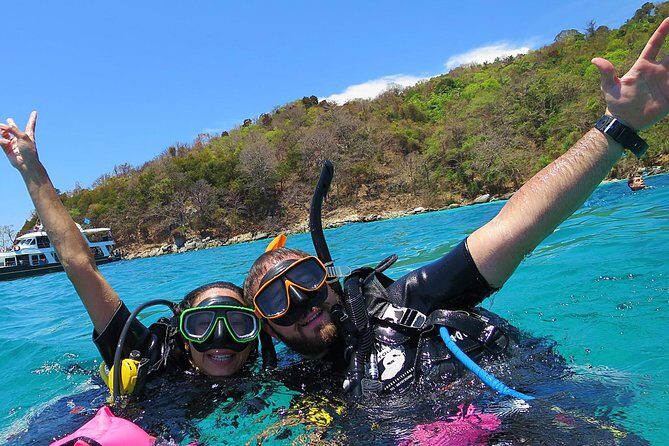
One reason this tour holds up for beginners is the equipment is included in the price. You don’t have to hunt down rentals, compare brands, or hope the fit is right.
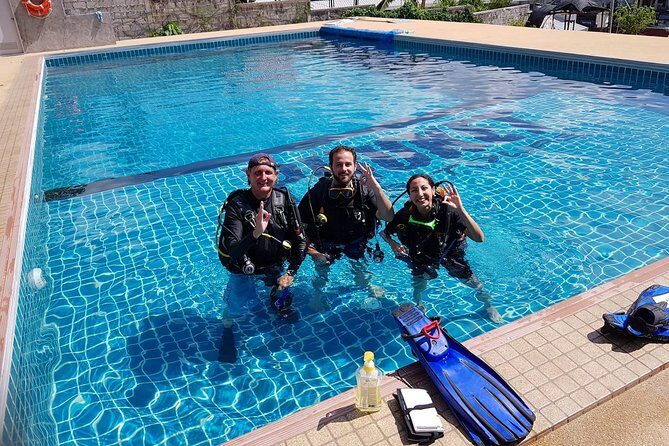
The included setup is a full set: wetsuit, buoyancy control device, mask, regulator, and fins. That’s the whole working kit you need for both the pool skills and the sea portion. For first-timers, having everything supplied usually means fewer decision points—and less worry.
Comfort tips that help in real life:
- Ask for gear adjustments early so nothing pinches when you’re trying to relax underwater.
- Keep your hair and straps tidy before you put on the mask.
- Wear swimwear that stays put with a wetsuit so you’re not fidgeting later.
Also, there’s an on-site setup at the diving area that includes an outdoor shower and drinking water. That kind of practical touch makes a long day feel less chaotic after you come up.






Instructors who slow things down for true beginners
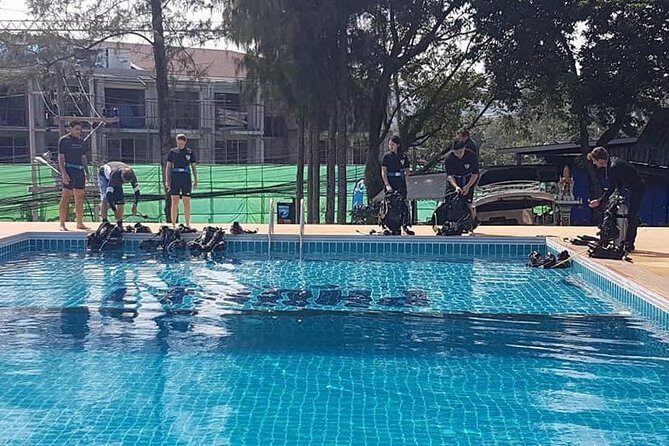
The standout theme here is patience and clear communication. Names mentioned include Sky, Tim, Gan, and David, and the pattern across them is the same: they teach first-timers in a way that reduces panic.
If you’re not a strong swimmer, you should still feel hopeful. The sea time is designed around beginner needs, and you’ll get hands-on help with getting comfortable using the equipment and moving with it.
I also like that the instruction doesn’t stop at the briefing. You get guidance before and during the sea portion, which is when beginners most need reassurance. When someone talks you through what to do next, you can focus on staying calm and letting the training work.
Food breaks and how they help you enjoy the whole day
This tour is good about keeping your energy up. You get breakfast, plus lunch, snacks, water, and tea and coffee.
Lunch is included and vegetarian options are available, which is a big deal for a full-day activity. Eating on schedule helps you stay comfortable when you’re out on the water and wearing gear that can make you feel warmer than you expect.
A small but important point: plan to eat something that agrees with you before the sea portion. You won’t need a gourmet meal—just fuel that won’t make you feel heavy or uneasy while you’re learning new breathing patterns.
Price value for a full beginner package at about $114
At around $114, you’re not just paying for a guided reef experience. You’re buying the whole beginner package: instruction, equipment, meals, and scuba insurance.
Here’s what that means in practical value terms:
- Equipment is included, so you’re not paying separately for wetsuit, regulator, mask, or fins.
- You’re working with professional, certified instructors, which is what makes the learning portion feel safe and structured.
- Insurance is included, which removes one common “paperwork hassle” for new scuba students.
- Meals and drinks are included, so you’re less likely to spend extra during the day.
You do still have optional costs. Souvenir photos are available to purchase in cash, and alcoholic drinks are also available for cash purchase. If you know you’ll skip both, your day is easier to budget.
Timing, group size, and the one logistics detail that can trip you up
The tour runs about 8 hours and caps at 30 people. That group size isn’t tiny, but it’s small enough that you’re usually getting attention and not feeling like a number.
The biggest logistics detail is the beach entry walk. You need to be able to walk around 50m across the beach while wearing dive gear to enter the water. That’s manageable for many people, but it’s not something to ignore if you have balance issues or find sand walking difficult.
Also note the fitness and age considerations. The tour calls for moderate physical fitness. Children under 10 years aren’t included, which means the environment tends to be geared toward adults and older teens who can handle the gear and walking.
Weather matters: what happens if conditions don’t cooperate
This is an outdoors-and-water activity. Good weather is required, and if conditions aren’t right, the experience may be canceled and you’ll be offered another date or a full refund.
This matters because beginner scuba is sensitive to safety and visibility. You want conditions that support calm, shallow water training and a reef area that’s comfortable to navigate.
From a planning point of view, try not to schedule this as your “only” water activity on a single day. Phuket weather can shift, and building in flexibility makes the whole trip feel smoother.
Who should book this Phuket beginner scuba course
Book it if you’re:
- New to scuba and want a pool-to-sea structure with coaching.
- Interested in shallow reef life off Kata Beach, including the possibility of sea turtles.
- Traveling with someone who needs extra reassurance during equipment practice (the instructors named in feedback show strong first-timer support).
- Looking for an all-in price that includes gear, meals, and insurance.
Consider skipping it if:
- Walking across sand in gear is a problem for you.
- You don’t handle being in the water well during new-skill training.
- You’re hoping for an advanced, long-range reef exploration. This is beginner-focused and shallow by design.
Should you book it or pass?
I think this is a strong choice for first-timers who want structure. The best part isn’t just the reef—it’s the way you learn basics first, so your brain can stop panicking and start noticing fish, coral, and the fun details you came for.
You should book if you want a guided day that covers equipment, training, insurance, and food without nickel-and-diming you. You might pass if your schedule can’t handle weather changes or if the beach walk with gear feels like it will stress you out.
If you do book, come in ready to practice breathing slowly and trust the instructor cues. Once that clicks, the whole day tends to feel surprisingly smooth for something this new.
FAQ
Do I need scuba certification to join this experience?
No. This is an introductory program for non-certified divers, with training and guidance during the day.
Is there any pool training before the open-water part?
Yes. The experience includes a pool training session before you go to the sea portion.
What sea location is used for the experience?
The training is done off Kata Beach for the shallow reef portion, and the trip includes travel by boat to the Koh Racha Yai area as part of the day.
How long does the tour last?
The duration is about 8 hours.
What scuba equipment is included?
You get the full scuba equipment set, including a wetsuit, buoyancy control device, mask, regulator, and fins.
Is lunch included, and are there vegetarian options?
Yes. Lunch is included, and vegetarian options are available.
Does the price include hotel pickup and drop-off?
Yes, hotel/port pickup and drop-off are included, with free pickup listed for Kamala, Patong, Karon, Kata, Chalong pier, and Rawai. Other pickup locations may have an extra charge.
Is scuba insurance included?
Yes. Scuba diving insurance is included.