REVIEW · PHUKET
Full-Day Beginner Scuba Course with Private Tuition, Racha Yai
Book on Viator →Operated by SSS Phuket · Bookable on Viator
First-time underwater training can feel daunting.
This full-day beginner scuba course takes you to Koh Racha Yai for two coached underwater sessions, plus breakfast, a buffet lunch, and all the gear you need.
Two things I really like: you get full equipment included, and the instructors focus hard on making the steps feel manageable before you go under. The second big plus is the food and timing: you’re not just rushed from hotel to boat to ocean, you eat properly and stay hydrated.
One consideration: the boat ride out can make some people feel sea-sick, so I’d plan for that rather than hope for the best.
In This Review
- Key highlights at a glance
- Koh Racha Yai is the right place for your first underwater “yes”
- Morning flow: from Chalong Pier to the training zones
- How the course keeps first-timers calm (and not overwhelmed)
- Equipment you don’t have to rent twice
- Stop 1: Koh Racha Yai and what your two sessions look like
- Stop 2: the SSS Phuket center stop during the day
- What the instructors actually do differently for beginners
- Boat ride reality: sea-sickness is the real villain
- Food, water, and the small comforts that keep you enjoying the day
- Photos, your camera, and how to capture the memories
- Price and value: what $162.73 buys you in the real world
- Who should book this course (and who should pause)
- The small checklist that helps you enjoy the whole day
- Should you book this beginner scuba course in Racha Yai?
- FAQ
- What time does this course start, and how long is the day?
- How many open-water sessions are included?
- Do I need any scuba certification to join?
- What equipment is included with the course?
- Is hotel pickup included, and where is it free?
- What food and drinks are included?
- Can I use my own camera underwater, and are photos available?
- What if the weather is bad or I need to cancel?
Key highlights at a glance

- Two coached open-water sessions (about 45–50 minutes each) for first-timers
- All scuba equipment provided: wetsuit, BCD, mask, regulator, fins
- Big food day: breakfast, buffet lunch, snacks, water, tea, and coffee
- Instructors get praised for calm, clear coaching, including examples like Pomme and Tiger
- Underwater photo rules are strict for non-certified participants; buy-onsite photo packages are available
- Hotel pickup is built in from select Phuket areas
Koh Racha Yai is the right place for your first underwater “yes”
Phuket’s coast is full of water activities, but for a true beginner experience, Koh Racha Yai makes a lot of sense. You’re out at sea long enough to feel like you escaped the traffic and crowds, yet the training plan is designed around control and comfort.
You’ll start the day with briefing and surface practice, then move into two underwater sessions with a certified instructor watching your buoyancy, breathing, and body position. You’re not just hoping you can do it. You’re taught, step by step, and corrected in real time.
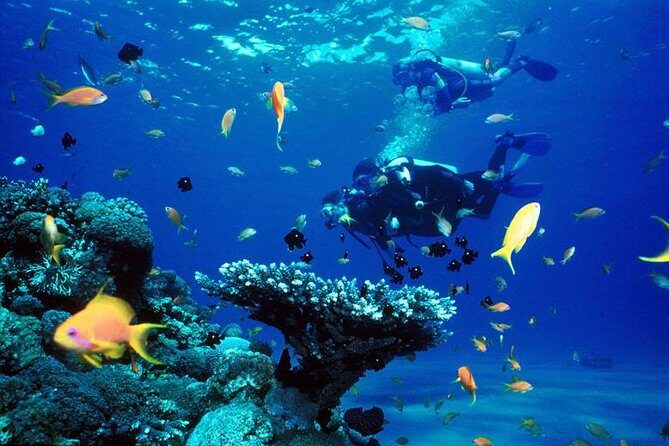
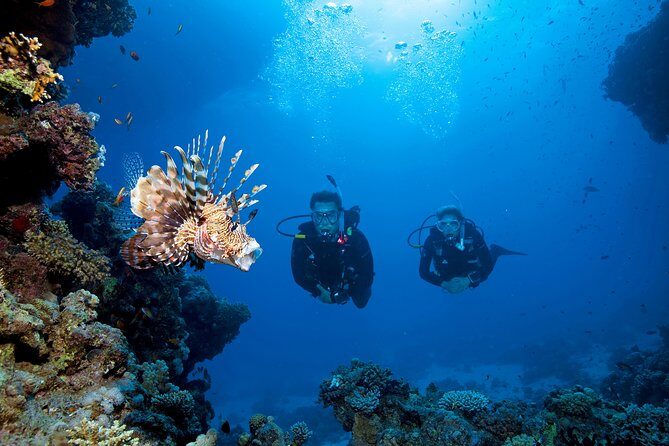
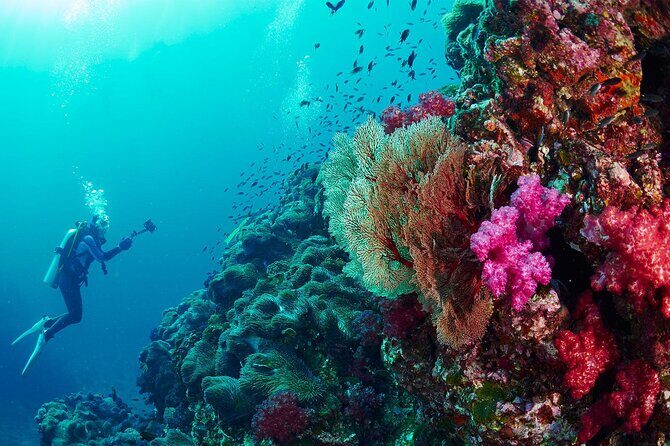
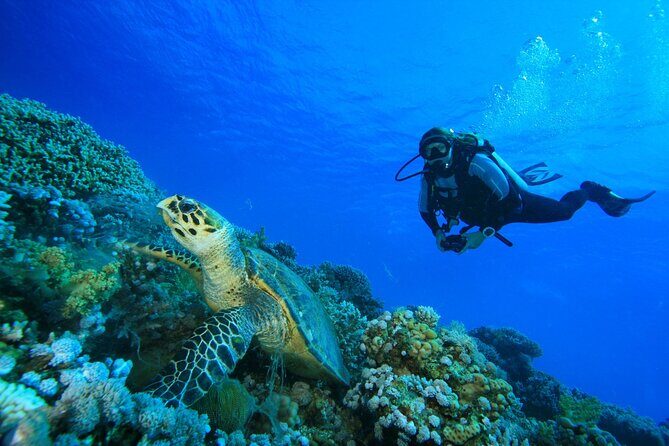
From the marine-life perspective, Racha Yai tends to deliver. You can reasonably expect colorful corals and lots of tropical fish, and there’s a chance of sea turtles and even shipwreck-related sights depending on conditions.
You can also read our reviews of more private tours in Phuket


Morning flow: from Chalong Pier to the training zones
Your day begins at 7:00 am at Chalong Pier meeting point (12 Sunrise Rd, Tambon Chalong). The meeting point is close to public transport, which helps if you’re not on the hotel pickup route.
If you booked pickup, it’s handled by the team from select Phuket areas. Free pickup applies for Kamala, Patong, Karon, Kata, Chalong pier, and Rawai. If you’re outside those areas, you should expect an extra pickup charge.
Once everyone’s together at the pier, the day’s rhythm is simple: boat ride out, checks and guidance, then practice before you go under. In most cases, you’ll be on a bigger shared boat, but the point of the day is that you’re not left alone. You get dedicated instruction for your underwater sessions.
This is also a good moment to mentally switch gears. The morning is for learning and setup. The ocean time is for the actual experience.
How the course keeps first-timers calm (and not overwhelmed)
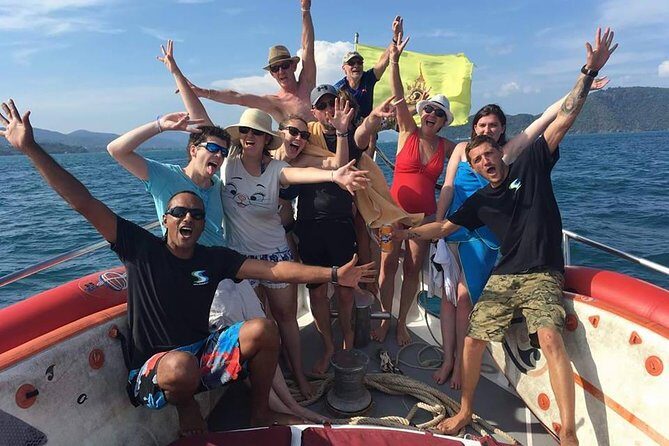
For a beginner course, the difference between fun and panic is how clearly the basics are taught. This one is built around repeatable skills: gear use, breathing control, and buoyancy basics.
You’ll receive training and guidance before and during your underwater sessions. That matters because buoyancy is the thing that usually turns a first attempt into stress. The teams here focus on making you feel safe and supported, and instructors like Pomme and Tiger come up often in feedback for being patient, friendly, and very hands-on with equipment explanations.
You should also expect practical “what to do if” coaching. For example, multiple reviews highlight instructors who keep checking in, reinforce safety, and handle nervous moments without rushing you.
Equipment you don’t have to rent twice
The package includes a full scuba equipment set:
- Wetsuit
- Buoyancy control device (BCD)
- Mask
- Regulator
- Fins
That’s a real value win. You avoid the cost and hassle of sourcing gear in Phuket, and you can trust it’s the right type for this training format. The instructors are also used to working with the equipment on beginners, so adjustments usually happen fast.
Stop 1: Koh Racha Yai and what your two sessions look like
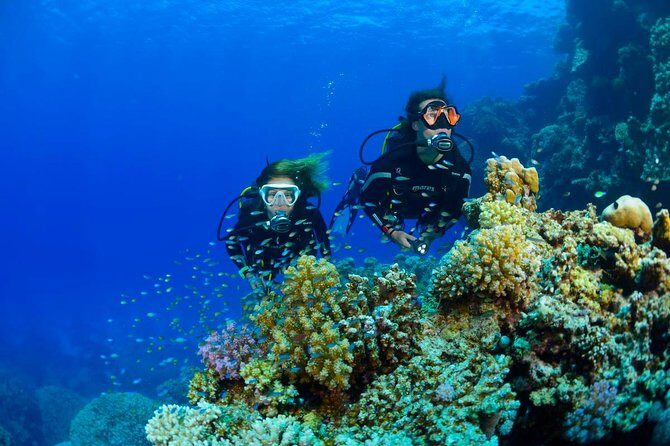
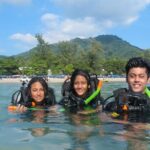
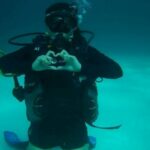
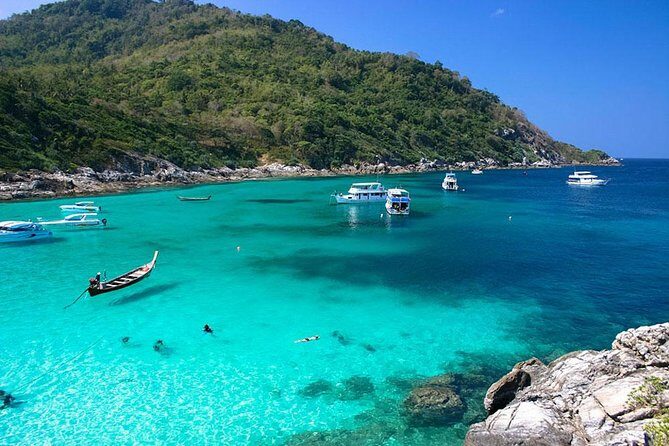
Koh Racha Yai is your main water stop. The schedule is built around two underwater sessions, each lasting about 45–50 minutes.
Before you go down, you’ll do practice on the boat and at the surface. This is more important than it sounds. Getting comfortable with breathing, breathing rhythm, and staying level in the water reduces the mental load when you finally go deeper.
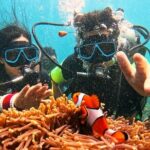
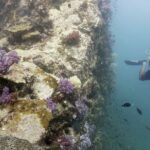
Then you head underwater for the coached portion. Here’s what you can look for:
- Colorful corals
- Tropical fish and schools of reef life
- Possible sea turtle sightings
- Potential shipwreck areas, depending on the day and conditions
In plain terms, it’s a guided “look and learn” experience. You’re not doing long, exhausting underwater marathons. You’re building confidence, collecting small wins, and seeing real ocean life.
You can also read our reviews of more scuba diving tours in Phuket
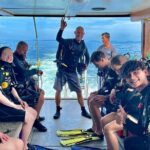
Stop 2: the SSS Phuket center stop during the day
The plan includes a stop at the SSS Phuket center area during your full-day schedule. In practice, this is the part of the day where the team manages course flow on land—think check-ins, coordination, and any wrap-up steps between the water time and returning toward Phuket.
I like including this kind of stop, because it reduces the chaotic feeling that can happen with one long open-water block. You get a moment of structure before the day ends.
What the instructors actually do differently for beginners
Beginners don’t need a lecture. They need reassurance plus clear cues you can remember with nerves in your head. That’s why this course gets strong praise for instruction style.
Here are the coaching themes that show up repeatedly:
- Clear explanations of how each piece of equipment works
- Humor and calm tone that keeps you from panicking
- Tight supervision in the water, with frequent check-ins
- Encouragement during the hardest moments, especially during entry or when you adjust to buoyancy
Some reviews also mention pairs and small-group support. One person described being matched 2:1 with an instructor when solo, which is exactly what you want if you’re new. You get personal attention without the day dragging.
If you’re anxious, this matters. One review praised an instructor who talked someone through the exact panic loop—entry pressure, breathing awareness, and staying focused on simple instructions. You don’t have to be fearless, but you do need to feel you’re being guided.
Boat ride reality: sea-sickness is the real villain
The number-one practical issue to plan for is the boat ride. A review called out that the boat ride can cause sea-sickness, and another noted conditions can be windy at times (which can make motion worse).
So what should you do?
- If you’re even mildly prone to motion sickness, bring medicine you’ve used before.
- Consider eating light before pickup if you tend to feel queasy.
- Bring a water bottle or anything that helps you stay calm and hydrated.
This isn’t about “scaring you off.” It’s about protecting your day. A sea-sick morning is painful, and it steals energy from the part you came for.
Food, water, and the small comforts that keep you enjoying the day
This course is one of the better Phuket formats for eating well. You get:
- Breakfast
- Buffet lunch
- Snacks
- Water, tea, and coffee
When you’re underwater, it’s easy to underestimate how much energy you’ll burn and how much your body appreciates real food afterward. The included meals make it easier to focus on learning rather than thinking about where you’ll eat next.
Also, alcohol is available to purchase in cash, so if that’s part of your vacation style, you can add it—but it’s not included.
Photos, your camera, and how to capture the memories
Here’s the rule you should know up front: souvenir photos cost extra (about 1000–1500 THB), and using your own camera underwater is banned by law for non-certified participants.
That means two things:
- Don’t plan on bringing a point-and-shoot to film the action underwater.
- If you want underwater memories, ask about the photo package early enough to make your decision comfortably.
Some reviews mention instructors taking photos and videos as part of the experience for an extra fee. So if getting proof you did it matters to you, budget for that add-on.
Price and value: what $162.73 buys you in the real world
At $162.73 per person, this isn’t the cheapest Phuket outing. But it’s priced like a beginner training day should be: professional instruction, all key equipment, insurance, and a full food plan.
Where the value shows up:
- Two underwater sessions instead of a quick half-day snack
- Full equipment included, so you aren’t paying extra in Phuket
- Pickup and drop-off from multiple areas (free for specific zones)
- Meals and drinks handled for you
- Scuba insurance included
- A small-group cap of 25 travelers, which usually keeps the day from feeling like a cattle lineup
If you’re comparing this to cheaper activities like basic snorkeling tours, the big difference is coaching. You’re paying for trained support, not just access to water.
Who should book this course (and who should pause)
This is aimed at beginners and works best if you:
- Are a confident swimmer
- Want structured training rather than guesswork
- Like the idea of two underwater sessions with real instruction
The minimum age is 10 years, and the course includes a health questionnaire before you go. Some medical conditions (asthma, heart conditions, and similar issues) can prevent participation, so you should check with your doctor if you’re unsure.
Two more practical notes:
- Flying within 18 hours of your underwater sessions isn’t recommended.
- If you’re nervous, that’s normal. The course is built for that, especially with instructors who stay patient and supportive.
The small checklist that helps you enjoy the whole day
If you want this to feel smooth, bring a few basics:
- Sea-sickness prevention if you’re prone to motion sickness
- Your swimsuit and a towel, since you’re in and out of water gear during the day
- Cash for any optional purchases like alcohol or photo packages
- A plan for hydration: you’ll have water provided, but you’ll still want to keep your own rhythm
Also, keep your schedule forgiving afterward. Your body will be tired in the good way.
Should you book this beginner scuba course in Racha Yai?
I think you should book it if you want a first-timer underwater experience that’s structured, well-fed, and coached with real attention. The two coached underwater sessions, included equipment, and praised instructors (people like Pomme, Tiger, Ootdy, Nim, and Ned show up in feedback for a reason) make this a solid way to get your confidence fast.
Skip it or be extra cautious if you know boat rides hit you hard, or if you’re unsure about medical fitness for underwater activity. Plan for motion sickness, and talk to a doctor if you have conditions that might affect participation.
Bottom line: this is the kind of Phuket day that can turn a lifelong curiosity into an actual memory, without turning your first attempt into a stressful experiment.
FAQ
What time does this course start, and how long is the day?
It starts at 7:00 am and runs for about 8 hours.
How many open-water sessions are included?
You complete two open-water underwater sessions. Each one lasts about 45–50 minutes.
Do I need any scuba certification to join?
No prior certification is required.
What equipment is included with the course?
The full equipment set is included: wetsuit, buoyancy control device (BCD), mask, regulator, and fins.
Is hotel pickup included, and where is it free?
Pickup is included from select Phuket areas. It’s free for Kamala, Patong, Karon, Kata, Chalong pier, and Rawai.
What food and drinks are included?
Breakfast, a buffet lunch, and snacks are included, along with water, tea, and coffee.
Can I use my own camera underwater, and are photos available?
Camera use underwater is banned by law for non-certified participants. Souvenir photos are available as an add-on for about 1000–1500 THB.
What if the weather is bad or I need to cancel?
The experience requires good weather. If it’s canceled due to poor weather, you’ll be offered a different date or a full refund. You can cancel for a full refund up to 24 hours in advance.