REVIEW · PHUKET
Half-Day Phuket Easy Thai Cooking
Book on Viator →Operated by Phuket Easy Thai Cooking · Bookable on Viator
Market shopping makes Thai cooking click.
This half-day Phuket Thai cooking class turns you from eater to maker, starting with fresh-ingredient shopping and ending with the food you cooked. I especially liked the hotel pickup and small-group size (capped at 10, often much smaller), because it keeps things personal and moving. I also loved the hands-on focus on classic dishes you can repeat at home, including curry paste. One thing to consider: the kitchen setup can be a bit basic and practical rather than fancy, and you might notice things like a cold prep room and no aprons.
You get to pick a morning or afternoon slot, then spend about 3 to 4 hours cooking in a friendly, teaching-first way. Many classes include tasting what you make, and several guests also mention taking leftovers back. The whole vibe feels less like a show and more like learning the recipes with real people.
In This Review
- Key Things You’ll Notice Right Away
- Market Shopping That Actually Teaches You What to Buy
- What makes this valuable
- The Small-Group Advantage (and Why It Changes the Class)
- Curry Paste: The Skill That Travels Home
- Quick heat, fast cooking
- The Classics You’ll Cook (and How the Menu Usually Works)
- A beginner-friendly approach
- From Market to Kitchen: What Your Time Feels Like
- Lunch or dinner included
- Lunch, Leftovers, and Real Hospitality
- What to Pack for a Hands-On Class in Phuket
- Price and Value: Why $69 Often Feels Fair
- Who Should Book This Class
- Should You Book Phuket Easy Thai Cooking?
- FAQ
- How long is the Half-Day Phuket Easy Thai Cooking class?
- Does the tour include hotel pickup and drop-off?
- Are there morning and afternoon class times?
- How many people are in the class?
- What dishes will I learn to cook?
- Is lunch or dinner included?
- Do I get curry paste instruction?
- Is there an extra fee if someone doesn’t cook?
- What are the rules for children?
- What is the cancellation policy?
Key Things You’ll Notice Right Away
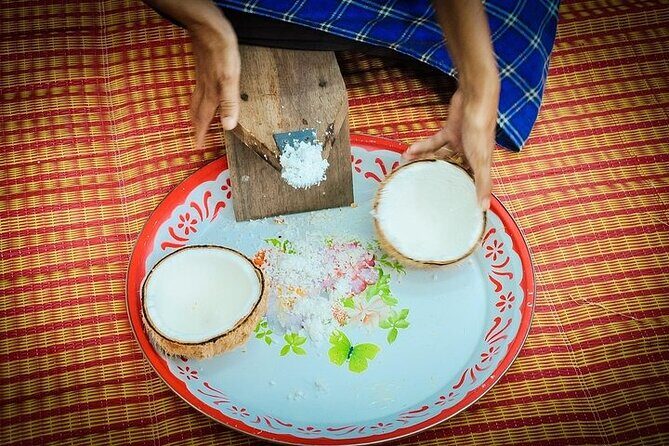
- Hotel pickup and drop-off make it easy to fit into a beach day
- Tiny classes (up to 10) mean your questions get answered as you cook
- Market shopping is part of the lesson, not just a photo stop
- Curry paste is the centerpiece, with a practical method you can copy later
- Classic Thai dishes rotate by menu, commonly including Pad Thai, curries, and mango sticky rice
- You eat your results, and leftovers may come home in boxes
Market Shopping That Actually Teaches You What to Buy
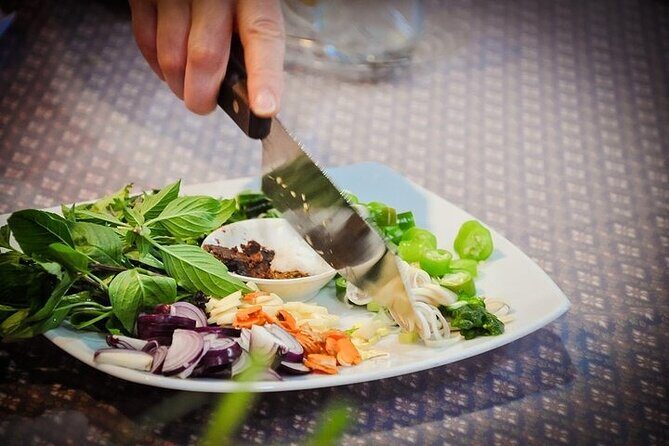
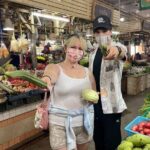
The day starts where Thai cooking usually starts: the market. Not just wandering. You’re there to learn what to look for and how ingredients behave once they hit a wok.
In the market, you typically shop for items tied to the dishes you’ll cook later. That matters because Thai flavor comes from ingredients that work together, not from one magic sauce. You also get a real sense of what’s fresh in that season and how cooks build a menu using what’s available.
A couple of extra details show up in past classes. Some teachers show herbs and plants from a home garden, and you may even pick fresh greens directly. One class also mentioned getting coconut milk from a small local source, plus little tastings along the way. Even if your exact stops vary, the goal stays the same: you leave knowing how to choose ingredients with purpose.
You can also read our reviews of more cooking classes in Phuket
What makes this valuable
If you’ve ever tried to cook Thai at home and felt like the result tasted off, this is often why. You can follow a recipe and still miss the flavor if you buy the wrong herbs, choose produce that’s too ripe or too dry, or skip an ingredient that holds the dish together.
The Small-Group Advantage (and Why It Changes the Class)
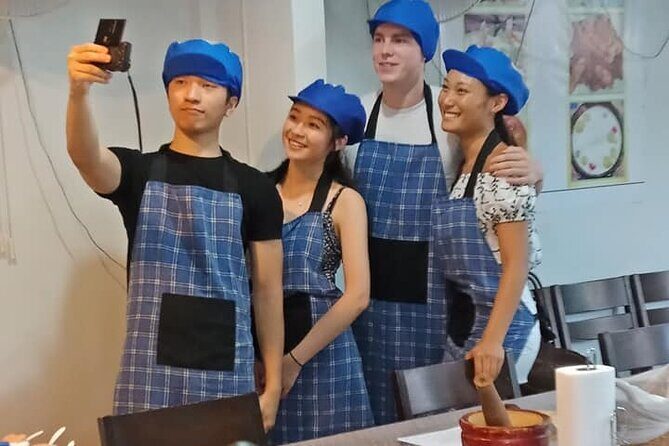
This is designed to be small. The class size is limited to a maximum of 10 people per booking, and in practice many guests describe it as intimate, sometimes just a couple of participants.
That changes everything. You’re not waiting your turn at a station. When you chop, stir, or shape, the teacher can correct technique. And when your heat level or timing goes a little sideways (it happens), you can get guidance fast instead of watching someone else finish.
Most classes include round-trip hotel transport, which is a big deal in Phuket. Traffic can be unpredictable, and a cooking class is not the time to be stressed about where to park or how to find the kitchen. With pickup arranged, you can treat the half-day like a real plan, not a scavenger hunt.
One practical note: in some bookings, you might start by meeting the teacher and then going as a group. Pickup is included, but a few guests mentioned they could still find the place easily on their own if needed. Either way, you’ll want to check your message details the day before so you don’t guess.
Curry Paste: The Skill That Travels Home
If you want one reason to book this class, curry paste is it.
Multiple classes mention learning curry paste from scratch. That’s the hard part people usually skip at home. Store-bought paste can be convenient, but making it gives you two wins: you understand the base flavor and you can adjust it to your taste.
In past sessions, teachers emphasized an easy approach that still feels authentic, including the idea that there’s a traditional way and a simpler way using modern kitchen tools. You don’t have to be a kitchen genius. You just need to follow the steps, taste along the way, and understand what you’re building.
And because curry paste is involved, your menu usually includes a curry dish afterward. Guests often describe curries like green curry, Massaman, or Panang showing up depending on the day’s selection. Regardless of which curry you cook, the paste lesson makes it feel like you learned a method, not just a one-off meal.
Quick heat, fast cooking
A few cooks described cooking happening quickly in a wok. That can feel intense at first, especially if you’re new to Thai flavors. But it’s also realistic. Thai cooking moves fast, and you’re being trained for the real thing rather than a slow demo.
You can also read our reviews of more tours and experiences in Phuket





The Classics You’ll Cook (and How the Menu Usually Works)
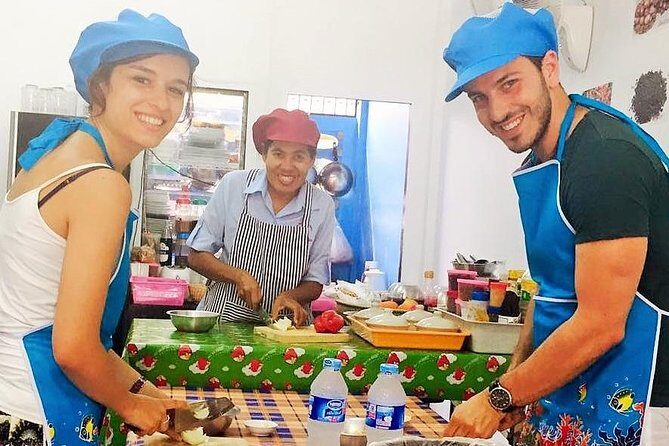
This class focuses on well-known Thai comfort dishes, often paired with a curry and a noodle or salad item, plus dessert. The exact menu can vary by class, but here are the dishes that show up again and again in the information you were given:
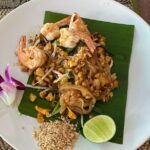
- Pad Thai: the noodle dish many people come for
- Papaya salad: bright, crunchy, and ingredient-driven
- Massaman curry: a classic Thai curry with a comforting profile
- Panang curry with chicken and chicken satay: common protein-and-curry pairings
- Mango sticky rice: the sweet finale, usually with coconut sauce
- Tom Yum soup and spring rolls: appear in some menus
Some classes also mention making multiple items, like prep and practice for several dishes and then cooking them in sequence. One guest described a menu including Tom Yum soup, green curry paste, Pad Thai, and mango sticky rice. Another mentioned choosing dishes like green curry with tofu, pad Thai, fishcakes, and mango sticky rice on a Sunday class.
A beginner-friendly approach
Even guests who considered themselves complete novices said the recipes felt “easy” and the process was doable. That’s not accidental. The training is built around clear steps, hands-on practice, and adjusting flavors to your liking.
One very practical tip that came up: you eat what you cook. So you taste, learn, and realize immediately what you might tweak next time. That’s the fastest path to getting confident with Thai food.
From Market to Kitchen: What Your Time Feels Like
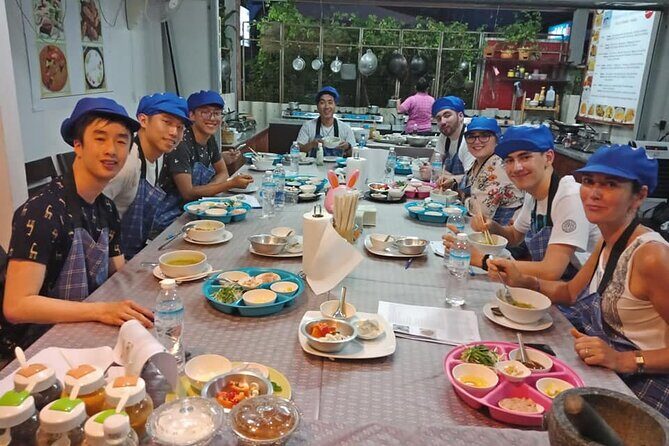
Plan on about 4 hours approx. with the class experience running roughly 3 to 4 hours of active cooking and instruction. The flow is usually:
1) Market ingredient shopping
2) Prep and ingredient explanations (often with hands-on or guided practice)
3) Cooking across your selected dishes
4) Sitting down to eat what you made
5) Occasionally, going home with leftovers
In several accounts, you spend time learning ingredients beyond just the dish names. You might hear what specific herbs do, why certain ingredients pair well, and how to prep them so the final dish stays balanced.
Some guests also mentioned extras like tea made from blue flowers that changes color after adding lime juice. It’s not required to enjoy the class, but it’s a nice reminder that Thai cooking is cultural as well as culinary.
Lunch or dinner included
The class experience includes enjoying your meal afterward, and the provided summary notes lunch or dinner depending on the session. Either way, you’re not leaving hungry or paying extra for a separate restaurant meal.
Lunch, Leftovers, and Real Hospitality
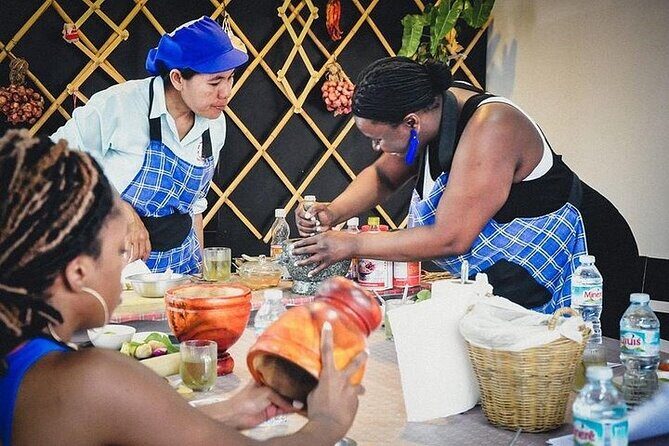
The meal you eat isn’t a buffet of pre-made food. It’s what you cooked during the session. That changes your relationship to the dishes. You’re paying attention while you cook, so when you taste, you actually recognize what you did.
Many guests described portions as satisfying, and a recurring theme was how delicious the food tasted. Part of that is freshness, and part is that you’re cooking with help. Another part is that curry paste and key ingredients give you the foundation, so even if one step is imperfect, the overall flavor still comes together.
Leftovers are a fun bonus. Several guests mentioned receiving take-home boxes, so you can bring some Thai food back to your hotel and keep the learning going for another meal or two.
What to Pack for a Hands-On Class in Phuket
Don’t treat this like a formal cooking studio. It’s practical.
A few guests described the setup as somewhat basic and noted things like a cold room for demonstrations, no aprons, and cooking happening fast with items like turmeric. That’s not a reason to skip it, but it is a reason to show up prepared.
Here’s what I’d bring so you’re comfortable:
- Comfortable closed-toe shoes (you’ll be moving around)
- Clothes you don’t mind getting stained (turmeric can be stubborn)
- Light layer in case the cooking space feels cool
- If you own one, a basic apron (since some classes don’t provide them)
- A small towel or extra tissue for quick cleanup
Also, bring your appetite and a patient mindset. You’ll be doing real chopping, stirring, and timing. That’s the point.
Price and Value: Why $69 Often Feels Fair
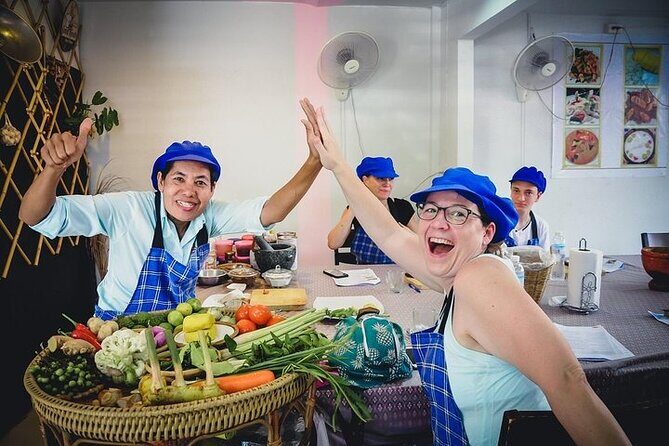
At $69 for a half-day, this class is priced like a real experience, not just a cooking demo. The value comes from several things happening together:
- Pickup and drop-off included
- Market shopping with ingredient guidance
- Hands-on cooking (not just watching)
- A meal you sit down to eat afterward
- A class designed for small groups, which means more attention
- The big learning piece: homemade curry paste
Compared to paying for a restaurant meal plus a separate market tour or a generic cooking show, you’re getting the meal, the instruction, and the shopping in one package.
Two cost notes to keep in mind:
- There’s an extra charge of THB 1,100 for non-cooking participants. If someone is coming with you but won’t cook, plan for that.
- The class has a minimum of 2 people per booking. If you’re traveling solo, you might need to check how your date is handled based on group availability.
Who Should Book This Class
This is a strong choice if you want Thai cooking that you can repeat at home.
I’d especially recommend it if you:
- Are a beginner who wants guided steps and simple recipes
- Want to learn the base work behind curries, especially curry paste
- Prefer a small-group setting where you can ask questions
- Travel as a couple or small group, since intimacy helps
- Enjoy markets and want to learn what you’re buying, not just browse
It’s also a nice option for older travelers when pickup is included and the pace is comfortable. One description even mentioned it being a highlight for guests in their 70s, which tells you the format can be welcoming.
Should You Book Phuket Easy Thai Cooking?
If your goal is to take home skills, not just photos, I think you should book it.
This class hits the right notes: market shopping, hands-on cooking, curries and Pad Thai, and a dessert finish like mango sticky rice. The small-group size makes it feel personal, and the curry paste focus gives you something you can actually recreate later.
The only reason I’d hesitate is if you’re expecting a polished, modern kitchen with lots of amenities. Some setups can feel a bit rustic, and there may be practical issues like no aprons or a chilly room. If you’re comfortable with that, you’ll likely have a great time.
FAQ
How long is the Half-Day Phuket Easy Thai Cooking class?
It runs for about 4 hours approximately, with the cooking lesson itself typically around 3 to 4 hours.
Does the tour include hotel pickup and drop-off?
Yes. Hotel pickup and drop-off are included.
Are there morning and afternoon class times?
Yes. You can choose a morning or afternoon class.
How many people are in the class?
The class is limited to a maximum of 10 people per booking, and it can be smaller depending on your group.
What dishes will I learn to cook?
You’ll prepare classic Thai dishes such as Pad Thai, papaya salad, and Massaman curry. Menus may also include items like chicken satay, Panang curry with chicken, and mango sticky rice.
Is lunch or dinner included?
Yes. After cooking, you’ll enjoy your meal afterward, with lunch or dinner depending on the class timing.
Do I get curry paste instruction?
Yes. You can expect to learn to prepare homemade curry paste as part of the class.
Is there an extra fee if someone doesn’t cook?
Yes. Non-cooking participants have an extra charge of THB 1,100.
What are the rules for children?
Children under 7 years old are free, but they must be accompanied by an adult.
What is the cancellation policy?
You can cancel for a full refund up to 24 hours in advance of the experience’s start time. If you cancel less than 24 hours before, you won’t be refunded.