REVIEW · PHUKET
Hands-on Thai Cooking Class Phuket with Market Tour Option!
Book on Viator →Operated by Thai Cooking School Phuket · Bookable on Viator
Thai cooking becomes real, fast. This Phuket class turns Thai food from something you order into something you can make, starting with a hands-on station and ending with hotel pickup that saves you time and hassle. The one real catch is you’ll cook actively and start with an empty tummy, so come ready to work up an appetite, not to just watch.
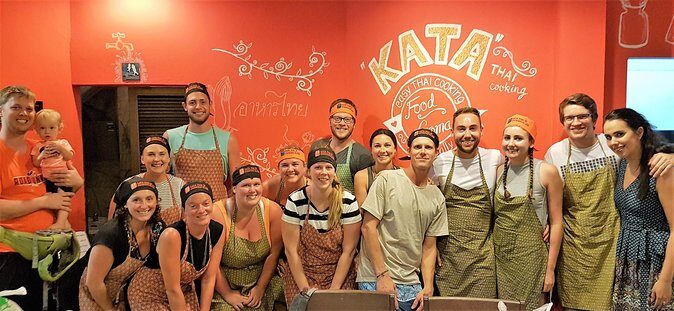
I like the energy here: Chef Jim (and Sally) runs the show with humor, clear steps, and lots of ingredient talk, so even if you’re not a cook, you’ll still feel in control. Group size tops out at 20, which keeps things lively and personal instead of chaotic, and it’s a great pick for a rainy Phuket afternoon.
In This Review
- Key things I’d zero in on
- Getting to Kata Thai Cooking Class Phuket without wasting your day
- Morning or afternoon class: when Thai cooking fits your Phuket plan
- Market tour option: the shortcut to understanding Thai ingredients
- Chef Jim and Sally: how the teaching style keeps it fun and doable
- Cooking at your own station: what you do, what you learn
- Dishes you may cook and why they’re good training
- Eating together: tasting your work and taking it home
- Who this class suits best (and who should think twice)
- Price and value in Phuket: is $75 worth it?
- Dietary needs, allergies, and vegetarian options
- Practical details that make the class smoother
- Should you book this Phuket Thai cooking class?
- FAQ
- How long is the Thai cooking class in Phuket?
- Is hotel pickup and drop-off included?
- Can I choose between a morning and an afternoon class?
- Is there an option to do a market tour?
- Is a vegetarian option available?
- What should I do about my stomach before the class?
- Do you handle food allergies?
- Is the class suitable for children?
- What’s the group size limit?
- Where does the class start?
- Can I cancel and get a refund?
Key things I’d zero in on
- Market tour option so you learn ingredients before you cook them
- Your own cooking station while the host explains what matters and why
- Step-by-step, you do the cooking not just watching and sampling
- All-day friendliness for families with kid-friendly guidance (with an adult)
- Allergy and vegetarian support when you flag it ahead of time
Getting to Kata Thai Cooking Class Phuket without wasting your day
Phuket has a way of making you lose time just moving around. This is why I’m glad the experience includes pickup and drop-off from your hotel. You don’t have to hunt for the meeting point, wrestle with directions, or figure out transport when you’re hungry and ready to start.
The class is based at Thai Cooking School Phuket (Kata Thai Cooking Class) on Patak Road in the Kata area. The schedule runs about three hours, which is long enough to learn real technique, but short enough that you won’t feel like you sacrificed your whole day.
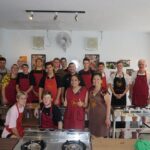
If you’re someone who prefers smaller, structured activities over big tours, the setup helps. The experience is capped at a maximum of 20 travelers, and the teaching pace stays human. That matters when you’re chopping, mixing, and trying to follow steps at the same time.
You can also read our reviews of more shopping tours in Phuket
Morning or afternoon class: when Thai cooking fits your Phuket plan
You can choose between a morning or afternoon session. That flexibility is a big deal in Phuket, where the weather and heat can steer your day.
- Morning works well if you want food lessons before the day gets sticky.
- Afternoon can be perfect when you’ve already done the main sightseeing and you just want something fun indoors or in a calmer pace.
Either way, you’ll be guided through prep and cooking, and you’ll get to eat what you make. Reviews especially point to the experience feeling like a highlight even on rainy days, largely because it’s hands-on rather than “stand and listen.”
Market tour option: the shortcut to understanding Thai ingredients
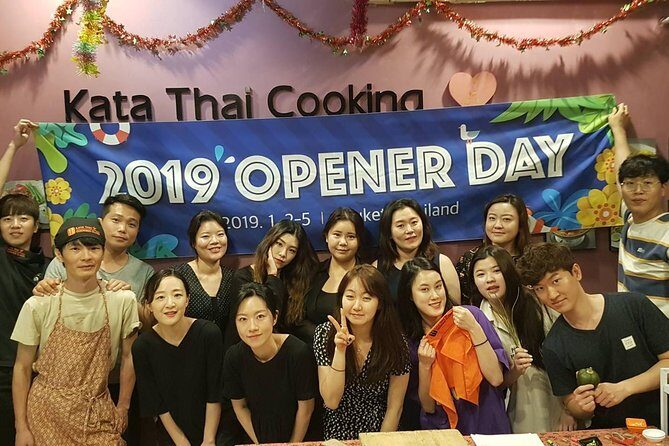
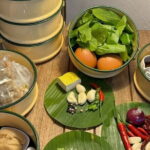
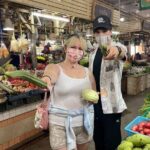
If you pick the market tour option, you’ll go out first to learn what you’re cooking with. This is one of the most praised parts of the experience because it links flavor to ingredients instead of treating Thai food like a mystery.
During the market time, your host explains what ingredients do, how they’re used, and what to look for. Guests consistently mention that this ingredient prep makes the cooking class click. Instead of just following steps, you start understanding why you’re doing them.
This matters for two reasons:
- You can recreate the dishes at home with less guesswork.
- You learn what substitutions do and don’t work when you’re shopping elsewhere.
If you skip the market tour option, you can still learn plenty during the class. But if you’re the type who wants to shop smarter and cook with more confidence later, the market portion is worth choosing.
Chef Jim and Sally: how the teaching style keeps it fun and doable
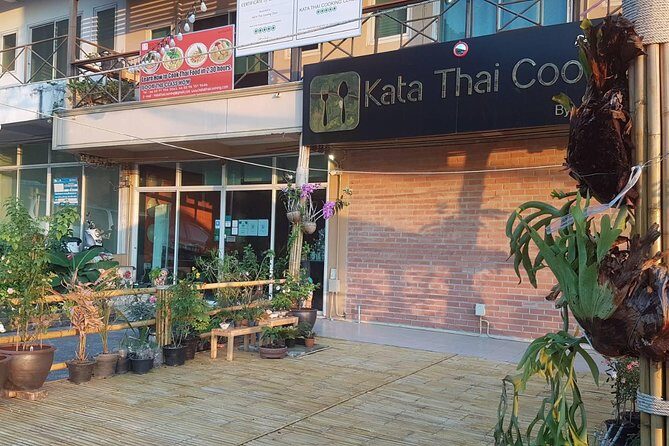
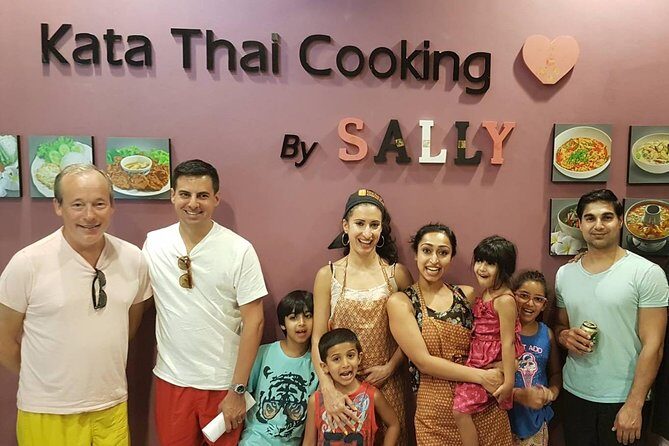
The hosts are a major reason people love this class. Chef Jim shows up with a sense of humor, strong English, and an approach that makes a beginner feel welcome. Sally is described as an excellent host and a clear guide, especially when it comes to explaining the flow and keeping the group comfortable.
A theme that comes through again and again: you’re not just handed a recipe and left to figure it out. You get:
- ingredient explanations
- guidance on what you need
- clarity on what to do next at your station
One standout detail from the reviews is that Chef Jim uses memorable, practical teaching moments during cooking (including playful cues for techniques like the way to scoop and mix for dishes such as pad Thai). It sounds silly on paper, but it helps your hands remember what your brain might forget.
Also, you’ll likely notice the hosts keep the mood light. That matters, because Thai cooking is active. If you go in expecting a calm, quiet class, you might be surprised. If you go in expecting laughter along with real steps, you’ll probably love it.
Cooking at your own station: what you do, what you learn
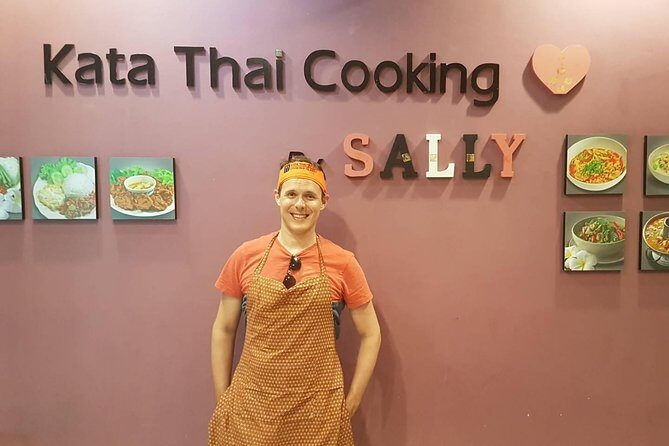
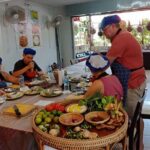
Once you arrive, the class is structured around you cooking. First comes instruction—how to prepare the dishes and what ingredients do. Then you cook by yourself at your own personal station, which is a huge quality-of-life upgrade compared with classes where everyone shares one cutting board.
Here’s what this style gives you:
- You get real repetition on basic prep.
- You understand textures and timing, because you’re the one doing it.
- You leave with confidence, not just photos.
A key detail: the guide explains what ingredients you need and what you should avoid, so you don’t accidentally build the flavor wrong. That kind of guidance is hard to get from casual cooking videos.
Also, the class has a “bring your appetite” expectation. The info notes an empty tummy, meaning you shouldn’t show up stuffed from lunch. You’re meant to start hungry, cook, and then enjoy what you made.
You can also read our reviews of more tours and experiences in Phuket



Dishes you may cook and why they’re good training
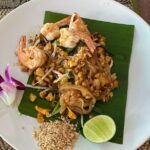
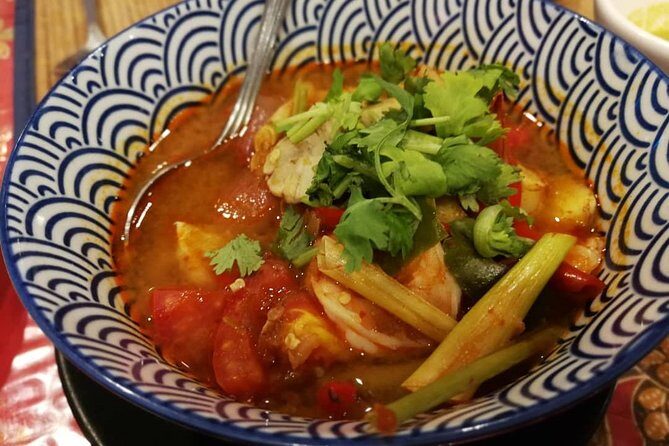
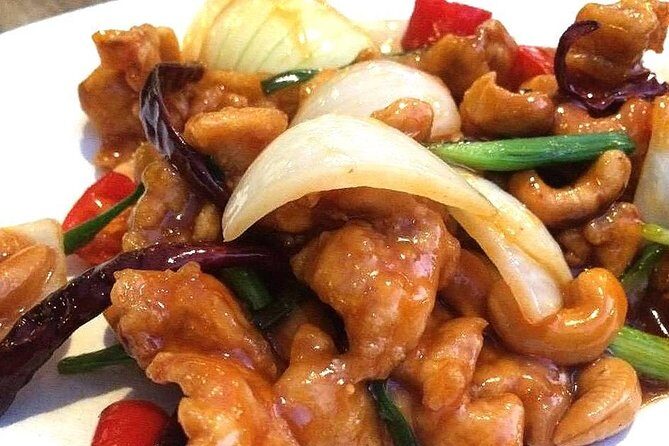
The exact menu can vary by session, but the most consistently mentioned dishes include Thai favorites like papaya salad, Tom Yum soup, Pad Thai, and mango sticky rice. Guests also mention learning multiple dishes—often four dishes, and at least one review mentions a three-course meal format.
If you’re trying to learn Thai cooking in a small window, those choices are smart. They teach different skills:
- Papaya salad helps you practice balancing sour, salty, and sweet, plus the texture of fresh ingredients.
- Tom Yum shows how herbs and broth create that signature aroma and heat level.
- Pad Thai trains your stir-fry timing and how sauces coat noodles without going flat.
- Mango sticky rice gives you practice with dessert technique and sweetness balance.
The hosts do more than hand you instructions. They explain ingredient roles, so you aren’t just memorizing steps. That’s the part that sticks when you’re shopping later and trying to rebuild a dish from memory.
Eating together: tasting your work and taking it home
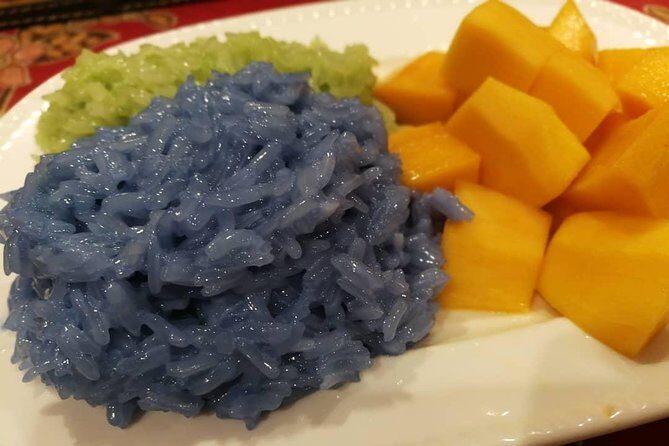
After cooking, you’ll enjoy the meal you made. This is where the experience shifts from class mode to food mode: you sit down and taste, and you can finally answer the big question—does it taste right?
One practical plus from the reviews: there’s packaging so you can take food away if you can’t finish it. That matters because classes tend to produce more than you expect, and it’s nice to avoid waste.
You’ll also take home the headband, which is a fun little souvenir that feels tied to the activity, not just another generic token.
Who this class suits best (and who should think twice)
This is a great fit if you:
- love food and want to learn real technique
- want a structured activity that’s still fun and social
- prefer hands-on learning over museum-style sightseeing
- are coming as a couple, friends, or a family
Families show up in the feedback too. One review mentions kids as young as 6 and 8 having a blast, and the class info notes children must be accompanied by an adult, with a minimum age range of 4–8 joining from a parent station. If you’re traveling with kids, this is one of the better family-friendly “learning” activities in Phuket because it stays active and interactive.
Who should think twice?
- If you hate cooking prep or don’t want to chop, mix, or stir at a station, this may feel like work rather than entertainment.
- If you’re very sensitive to heat and strong flavors, tell the host ahead of time so you can plan around spice levels and ingredients.
Price and value in Phuket: is $75 worth it?
At about $75.01 per person for an experience around three hours, you’re paying for something more than a meal. You’re buying:
- hotel pickup and drop-off
- dedicated instruction
- a hands-on cooking station
- the ingredients and the food you make
- recipes and tips you can take home
For a short Phuket trip, this can be good value because it combines multiple benefits in one block of time: transport help, skill learning, and a satisfying meal.
Is it the cheapest food activity in town? No. But it’s also not just a taste test. You’ll leave with a repeatable skill set: ingredient awareness, technique, and a clear idea of how Thai flavors come together.
If your goal is to spend less on restaurants and more on learning, this is a strong contender.
Dietary needs, allergies, and vegetarian options
Good news for food planners: the experience notes a vegetarian option and asks you to advise at booking. It also specifically asks you to flag food allergies ahead of time.
Reviews back up that they can handle at least some serious restrictions. One guest mentions their shellfish allergy was accommodated so they didn’t have to worry, and they felt confident in how it was managed.
Still, the smart move is to message your exact needs during booking. Thai cooking relies on strong flavor builders—so the more detail you give, the easier it is for the host to keep your dish safe and tasty.
Practical details that make the class smoother
A few things that help you get the most out of the day:
- Wear clothes you don’t mind getting splashed or smelling like food.
- Bring your own questions. The ingredient talk is part of the point, and hosts clearly enjoy explaining.
- Arrive hungry. The experience suggests an empty tummy, and you’ll feel it if you show up already full.
- If you’re doing the market option, plan your time so you can focus on the ingredient lessons instead of rushing.
Also note the experience is near public transportation, so if you end up adjusting plans, you likely have options nearby.
Should you book this Phuket Thai cooking class?
I’d book it if you want a hands-on food experience that feels personal, not scripted. The combination of hotel pickup, a small cap (20 travelers), and the fact that you cook at your own station makes it one of the more practical “learn while you eat” activities in Phuket. Add the optional market tour, and you get the ingredient context that helps you recreate dishes later.
I’d skip it if you want a relaxed, hands-off show-and-taste session. This is built around you doing the cooking, and the best reviews reflect that energy.
If you’re in Phuket and you even slightly care about food beyond just eating it, this class is a solid use of your time.
FAQ
How long is the Thai cooking class in Phuket?
It runs for about 3 hours.
Is hotel pickup and drop-off included?
Yes. Pickup is offered and hotel drop-off is included.
Can I choose between a morning and an afternoon class?
Yes. You can choose either a morning or an afternoon session.
Is there an option to do a market tour?
Yes. The experience offers a market tour option.
Is a vegetarian option available?
Vegetarian options are available if you advise at booking.
What should I do about my stomach before the class?
You should come with an empty tummy.
Do you handle food allergies?
You should advise any food allergies at booking. The class notes that allergy needs can be supported.
Is the class suitable for children?
Children must be accompanied by an adult. The minimum age noted is 4–8 years old, joining with a parent station.
What’s the group size limit?
The class has a maximum of 20 travelers.
Where does the class start?
The start point is Thai Cooking School Phuket (Kata Thai Cooking Class), 1 Patak Rd, Tambon Karon, Amphoe Mueang Phuket, Chang Wat Phuket 83100, Thailand.
Can I cancel and get a refund?
Yes. Free cancellation is available up to 24 hours in advance for a full refund.