REVIEW · PHUKET
Thai Cookery Class and Market Tour in Phuket
Book on Viator →Operated by Oh-Hoo · Bookable on Viator
A Thai market plus a hands-on cooking class is a winning combo. This Phuket experience is built around learning by doing, starting with a guided ingredient walk and ending with a sit-down meal you cook yourself. I like the market-first approach and the chance to choose what you’ll actually make.
I also like the way the class is structured for real kitchen results: you pick four dishes from a menu of 27 options, then cook them in a fully equipped academy kitchen. One standout detail from past guests is the teacher, including Rosie, who is described as kind, engaging, and happy to answer questions.
The main thing to consider is practical timing and logistics. You’ll likely pay extra for pickup outside certain areas, and the schedule can shift based on ingredient availability or weather.
In This Review
- Key highlights worth your attention
- From Patong pickup to the market: the first easy win
- Thai market tour: learning herbs and spices you can actually find again
- Picking your dishes: the part where you steer the day
- The 2-hour kitchen lesson: where your lunch turns into real skills
- Recipes you can take home, plus a certificate
- Price and value in Phuket: why $89.24 can make sense
- Transfers, timing, and the small print that affects your day
- Who this Phuket class is best for
- Should you book this Thai cookery class in Phuket?
Key highlights worth your attention
- Market tour that teaches what matters: herbs, vegetables, and spices are explained so you can shop smarter later.
- Pick 4 dishes from 27 options: you’re not locked into a fixed menu.
- Hands-on 2-hour kitchen lesson: enough time to actually cook, not just watch.
- Recipes for everything you cook: you take the method home, not just the flavor.
- Small group size (up to 20): better odds of getting your questions answered.
- Rosie and the class style: past guests specifically called out an engaged, supportive teacher.
From Patong pickup to the market: the first easy win
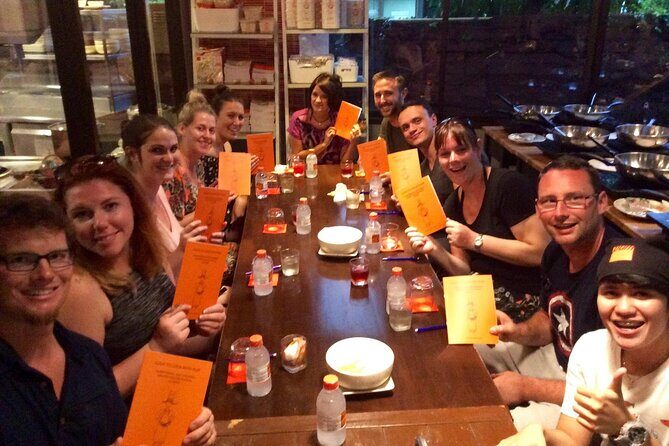
Phuket trips can feel like a lot of waiting around. This one tries to fix that from minute one. Pickup is offered from your accommodation, and they typically come by about 30–50 minutes before your start time. That means you’re headed to the Pum Thai Restaurant & Cooking School in Patong with enough time to settle in.
The meeting point is the school itself (Pum Thai Restaurant & Cooking School – Patong, on Nanai Rd). The activity ends back at the meeting point, so you’re not stuck wandering the island afterward. If you’re staying close to Patong, the flow is usually smooth.
One smart feature here is how the day is broken into two teaching moments: a short market walk first, then the longer kitchen lesson. Instead of treating the market as a sightseeing detour, it becomes the groundwork for cooking decisions you make right after.
You can also read our reviews of more shopping tours in Phuket
Thai market tour: learning herbs and spices you can actually find again
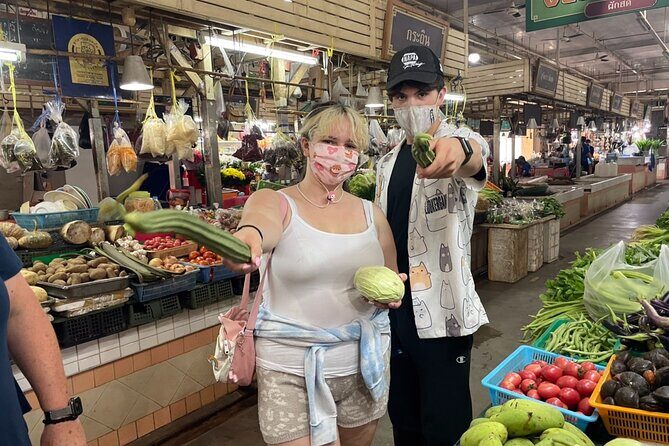
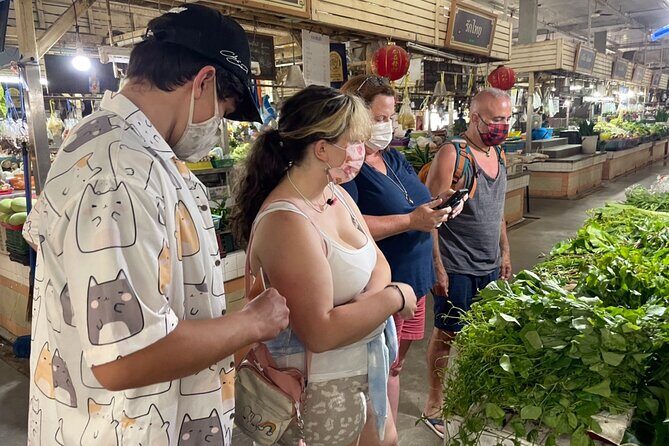
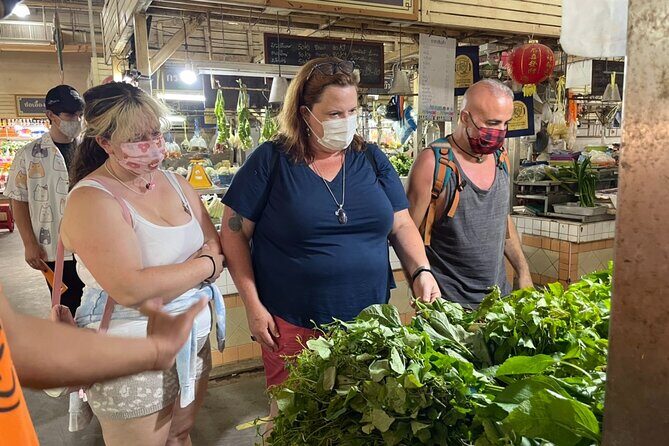
The market segment runs about 30–45 minutes and is focused on Thai ingredients—especially the ones that shape flavor and texture. You’ll get a quick tour where the lesson is practical: what herbs to look for, how vegetables fit into common Thai dishes, and which spices give Thai cooking its signature taste.
What I like about this part is that it’s not just a list of ingredients. It trains your eye. After the market, you’re not guessing when you see garlic, chili, lemongrass, galangal, or fresh herbs (even if you don’t have a Thai market at home, you’ll know what to ask for at the right shop). That’s the difference between cooking something once and understanding how to remake it.
Also, the class is designed for real questions. One guest specifically praised Rosie for being happy to answer queries. That matters in a market setting, because the best info often comes from asking why one ingredient is used over another.
The market visit can shift slightly depending on ingredient availability, but the purpose stays the same: you should leave with a clearer sense of what Thai cooks mean when they talk about balance—sweet, sour, salty, spicy—without turning it into a chemistry lecture.
Picking your dishes: the part where you steer the day
After the market, you move to the kitchen lesson. Before you start cooking, you choose four dishes from a list of 27 options. That choice is more valuable than it sounds.
Why? Because it lets you match the class to your tastes and comfort level. If you love noodles, you’ll likely gravitate toward stir-fries or noodle dishes. If you prefer something lighter, you can choose recipes that fit that mood. You’re also more likely to enjoy the final meal, since you’re cooking what you picked.
It also helps you learn faster. When you cook your own four dishes, you pay attention to techniques that you’ll actually want to repeat later—like how long to stir-fry, how the paste is handled, or how the seasoning is adjusted during cooking. If the menu were fixed, you’d still learn, but the class would be less tailored.
This is a small group experience (up to 20 travelers), which is a comfortable size for a kitchen setting. You can watch, but you’re also close enough to get guidance instead of hoping the instructor notices.
The 2-hour kitchen lesson: where your lunch turns into real skills
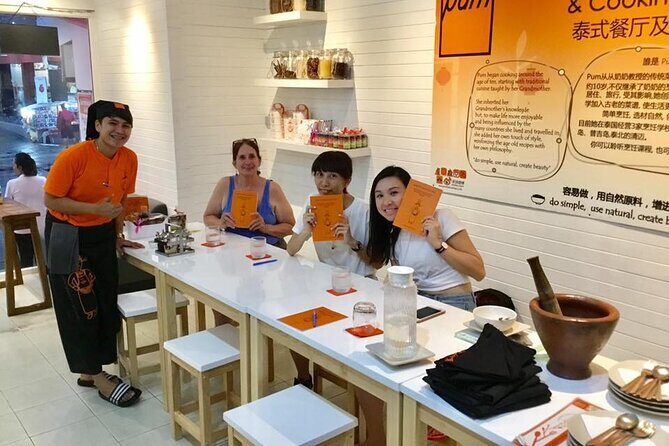
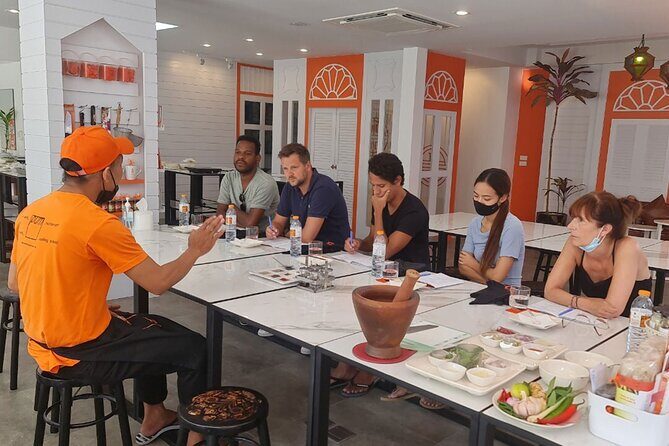
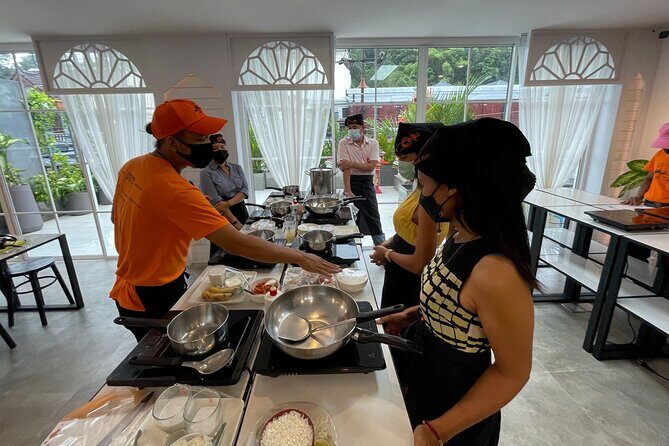
The kitchen lesson is about 2 hours, and the academy kitchen is fully equipped with what you need. The important part for you is that the ingredients are provided, so you’re not worried about shopping, measuring, or bringing supplies.
The class is taught by a certified Thai teacher, and there are English and Chinese instructions available. Even if your Thai is limited, you’ll still get the method clearly.
Expect the teaching to be hands-on. In other words, you should be doing more than chopping from a distance. Past guests praised the engagement and hands-on approach, including comments about Rosie teaching in a supportive way and sharing helpful cooking tips.
Here’s how to get the most out of those two hours:
- Pay attention to your station setup. If they explain a sequence—like prep first, then cook—follow it. Thai cooking often moves quickly.
- Don’t rush the tasting. If seasoning adjustments happen during cooking, use that moment to understand how the dish changes.
- Ask one good question per dish. For example: what’s the difference between using fresh herbs vs dried, or why certain aromatics go in earlier.
Then there’s the payoff: you sit down to eat lunch or dinner that you made. That moment isn’t only about good food. It’s when your brain connects the lesson (market ingredients and techniques) to the result on your plate.
Recipes you can take home, plus a certificate
After class, you’ll receive recipes for everything you learned. That’s a big deal for value. Cooking classes can be fun, but many fade quickly if you don’t have the method written down.
Here, the recipes are included, so you can recreate the dishes later. I also like that the class includes a Certificate of Achievement. It’s not life-changing, but it’s a nice souvenir and a reminder that this is a real skill-focused workshop, not just a casual demo.
During the class, you’ll also have tea, coffee, and filtered water available. Those little inclusions matter on a warm day in Phuket, when you don’t want to think about drinks or pay for them separately.
You can also read our reviews of more tours and experiences in Phuket



Price and value in Phuket: why $89.24 can make sense
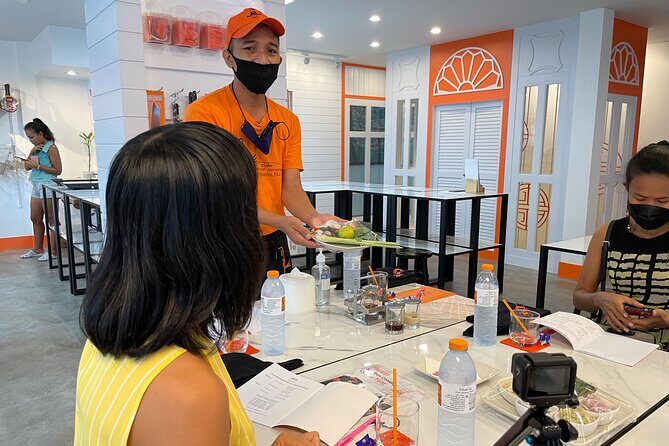
The price is $89.24 per person for about 4 hours total. At first glance, that might sound like a lot. But you’re buying several things at once:
- A guided market walk (not just a quick stop)
- A long kitchen session (about 2 hours)
- Ingredients for your chosen dishes
- Recipes for all dishes you cooked
- Drinks during the class
- A small group limit (up to 20 travelers)
If you’ve tried to cook Thai dishes at home before, you already know the biggest friction points are ingredient sourcing and knowing how the dish is supposed to taste while you’re cooking. This class solves both. You’re not just learning recipes; you’re learning how to assemble and season them with real timing and real kitchen guidance.
The only cost wrinkle is transfers. The experience includes round trip transfer, but extra charges apply depending on where you’re picked up from. If you’re already in or near the Patong area, you may avoid those extras. If you’re farther out, the price can climb with the round-trip fees.
Transfers, timing, and the small print that affects your day
Your day starts with pickup roughly 30–50 minutes before the scheduled start time. That gives you time to reach the school and get ready for the market lesson.
The market portion is 30–45 minutes, followed by the 2-hour kitchen session. After you finish cooking, you eat your meal and then head back—ending back at the meeting point.
Now the practical part: extra transfer charges vary by area, and they’re stated as round-trip fees per person. Based on the listed rates:
- No extra charge for Patong, Kalim
- Extra 100 THB round trip for Patong, Kalim is listed, meaning there is an add-on for those areas in particular
- Extra 200 THB round trip for Kata, Kamala, Karon
- Extra 300 THB round trip for Phuket Town
- Extra 500 THB round trip for Rawai, Surin, Bang Tao
- Extra 1,600 THB round trip for the Airport
Because the tour includes transfer, these charges are something to confirm at booking so you don’t get surprised at pickup.
Two other practical notes matter:
- The schedule can change based on ingredient availability.
- The experience requires good weather, and if it’s canceled due to poor weather, you’ll be offered a different date or a full refund.
Who this Phuket class is best for
This works especially well if you want food learning that actually sticks.
You’ll likely enjoy it if:
- You like Thai food and want to cook it with more confidence, not just eat it.
- You enjoy markets and want to understand the role of herbs, vegetables, and spices.
- You want a structured class with recipes to take home.
- You’re traveling in a group size that benefits from hands-on guidance (up to 20).
It may not be ideal if you’re short on time and hate scheduled pickup windows, since you’ll be collected 30–50 minutes early. It’s also not a perfect fit if you’re expecting an ultra-glam, high-end experience—this is about practical cooking and real ingredients.
Should you book this Thai cookery class in Phuket?
I’d book it if you want a day that combines two useful skills: how to spot key ingredients in a Thai market and how to cook a small set of dishes with guidance. The recipe handover is a strong value anchor, and the small group setup makes it more likely you’ll get answers instead of just watching.
Before you hit book, check one thing: your pickup area and whether the extra transfer charge applies to your hotel. If you’re in Patong, it should be easiest. If you’re farther out, factor the round-trip fee into your real per-person cost.
If you love hands-on cooking and want to bring back dishes you can repeat at home, this is one of the most practical foodie activities you can choose in Phuket.