REVIEW · PHUKET
Authentic Thai Cooking Class by Suuko Wellness Spa
Book on Viator →Operated by I Asia Thailand · Bookable on Viator
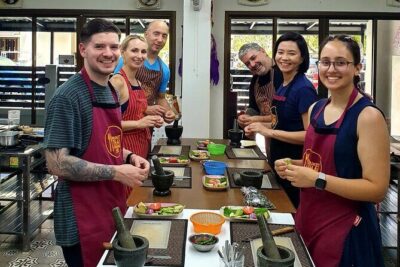
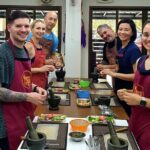
Coconut milk from scratch is the real draw. At Suuko Wellness Phuket Hotel, you’ll cook Thai food in an open kitchen with a certified chef, usually turning out 3 to 4 dishes from scratch during a 3-hour class. I like that it’s a small group so the chef can actually watch what you’re doing, not just talk at you.
The main thing to keep in mind is that these classes depend on minimum bookings. There’s at least one documented case where the school didn’t operate at the last minute due to low sign-ups, so I’d build in a bit of schedule flexibility.
In This Review
- Key things to know before you go
- Suuko Wellness Phuket Hotel: the setting that makes cooking feel real
- Price and what you’re really paying for at $56.93
- The 3-hour class flow: what happens once you start cooking
- What dishes focus on: coconut milk and curry flavor balance
- Coconut milk straight from the fruit
- Thai curries built from chilies and herbal leaves
- Menu adapted to you
- Small-group coaching: the difference between watching and doing
- Suuko’s certificate and why it’s more than a souvenir
- Logistics that actually affect your day
- How I’d decide: who this class is best for
- Quick practical advice to get the most out of it
- Should you book Suuko Thai Cooking in Phuket?
- FAQ
- How long is the Authentic Thai Cooking Class at Suuko?
- What will I cook during the class?
- Is it a small-group class?
- Where do I meet for the class?
- What’s included in the price?
- Do they provide hotel transfers?
- Can the menu be adapted for dietary needs?
- What if the class doesn’t run?
Key things to know before you go
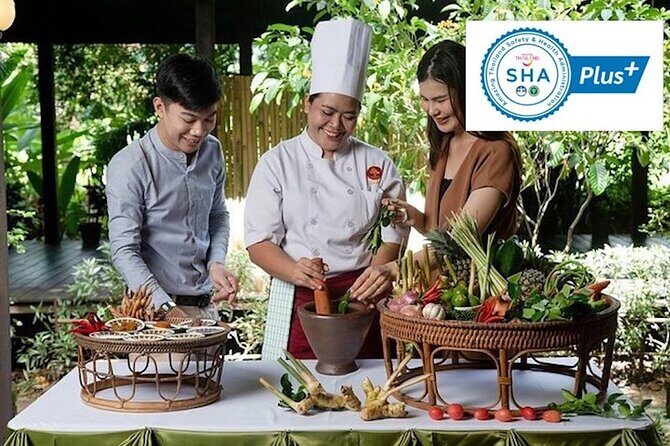
- Open-kitchen format in a Phuket hotel keeps the cooking transparent and practical.
- Chef-certified instruction focuses on technique, not just recipes.
- You make 3–4 classic dishes in a single 3-hour session.
- Menu adapts for dietary needs so you’re not stuck with a one-size menu.
- Small class size (max 9) means more hands-on time and easier questions.
- You may share a station (2 guests per station), so come ready to work side-by-side.
Suuko Wellness Phuket Hotel: the setting that makes cooking feel real
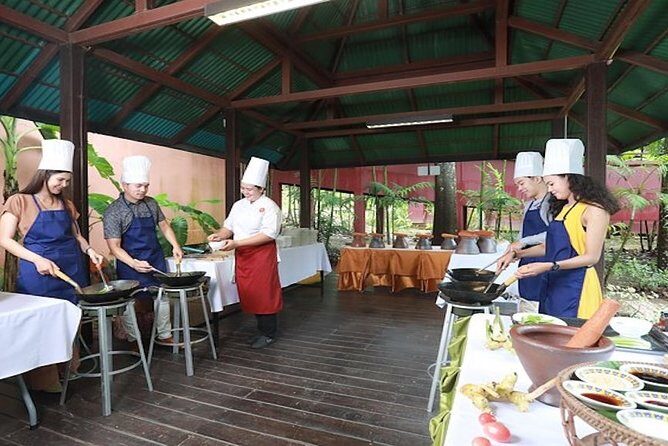
This class is based at the Suuko Wellness Phuket Hotel in Chalong, Phuket. That matters more than it sounds. When a cooking class is inside a working property, you get a more stable setup for ingredients, tools, and pacing—plus a calmer vibe than a chaotic street market-style scramble.
You’ll meet at Suuko Wellness & Spa Resort at 5 วิชิต 10, Tambon Chalong, Amphoe Mueang Phuket. It’s listed as near public transportation, which is useful if you don’t want to rely on taxis for every move. You’ll also get a mobile ticket, so you’re not hunting for paper on your way in.
The class runs daily from 10:00 to 15:00, and the cooking session itself is about 3 hours. Since it’s not tied to a single fixed time window beyond the daily schedule, you’ll usually have a few options—just don’t push your planning so tightly that a cancellation would wreck your whole day.
You can also read our reviews of more cooking classes in Phuket
Price and what you’re really paying for at $56.93
At $56.93 per person, this is priced like a serious activity, not a quick demo. The value comes from what you actually get to do: you’re not just watching Thai food being made—you’re learning how to cook it from scratch with a chef.
What’s included:
- A class focused on 3 or 4 dishes
- Drinking water
- Apron and chef’s hat
- A Thai Culinary Arts certificate
What’s not included:
- Hotel transfers
So the real cost equation is simple. You’re paying for the chef’s time, the small-group format (max 9), and the ingredients/tools needed to cook multiple dishes. If you already plan to get yourself to the hotel anyway, this price feels more fair.
If you’ll need transportation, build that into your budget. The listing says transfers aren’t included, so you’ll want to plan your ride to Chalong.
The 3-hour class flow: what happens once you start cooking
Even without a minute-by-minute schedule spelled out, the structure is clear: you’ll spend your time in an open kitchen cooking 3 or 4 Thai dishes from scratch, with a chef guiding the process.
Here’s what the class is designed to do for you:
1) Set-up and technique mindset
You’ll get your apron and chef’s hat, then you’ll start with cooking fundamentals. Thai cooking often looks simple at a distance, but the flavor comes from balance—salt, sweet, sour, spice, and aromatics in the right proportions. A chef-led class helps you build that sense quickly instead of guessing.
2) Hands-on cooking in sequence
You won’t just make one thing. You’ll move through a few dishes, which usually means shifting between chopping, mixing, simmering, and tasting your way toward the right flavor. The open kitchen format helps because you can see what’s happening at nearby stations.
3) Finish with the dishes you created
By the end, you’ll have your own batch of what you cooked. The point is practical results: you leave knowing how each dish is put together, not just what it tastes like.
A useful detail: the class is arranged for small groups, and 2 guests share 1 station. That’s great for teamwork if you’re traveling with a friend. If you’re cooking solo, expect to coordinate your space and tools with the person next to you.
What dishes focus on: coconut milk and curry flavor balance
The class messaging highlights two big skill areas that are worth your attention if you want food to taste like it does in Thailand—not just like a westernized version.
Coconut milk straight from the fruit
You’ll learn how to make coconut milk directly from the fruit. That’s a big deal because it changes the texture and flavor. Store-bought coconut milk is convenient, but learning the real method helps you understand what coconut brings to Thai food: richness, sweetness, and a creamy backbone for curries and sauces.
In practice, this kind of ingredient lesson usually teaches you how to:
- control the thickness
- manage extraction
- avoid ending up too watery or too heavy
You can also read our reviews of more tours and experiences in Phuket

Thai curries built from chilies and herbal leaves
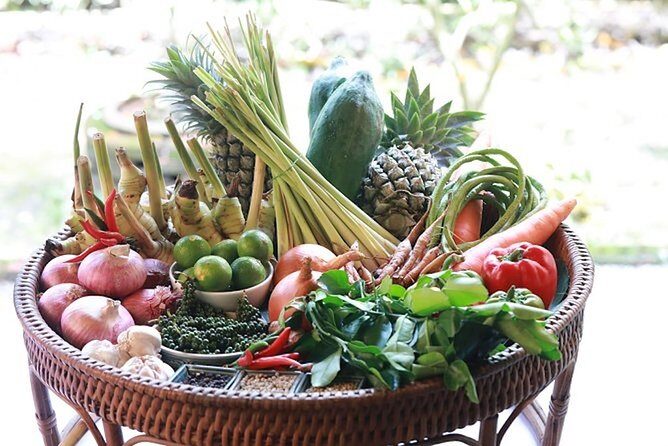
You’ll also learn how Thai curries come together from chilies and herbal leaves. Thai curry flavor doesn’t just come from spice heat; it comes from aromatic ingredients working together. The chef’s role is to show you how to build that aroma base and keep it balanced.
If you’ve ever tried to recreate Thai curry at home and felt like it was missing something, pay attention here. It’s often not a single ingredient—it’s the method and proportions that make your curry taste right.
Menu adapted to you
The menu can be adapted for dietary needs and preferences. That’s one of the most practical parts of the experience, because Thai cuisine includes plenty of ingredients that can be adjusted—spice levels, certain proteins, or substitutions depending on what you need. You’ll still be learning authentic technique, just tuned to your limits.
Small-group coaching: the difference between watching and doing
This is where you’ll feel the value most. The class runs with a maximum of 9 travelers, which naturally reduces crowding and makes it easier for the chef to notice when something goes off—too spicy, not aromatic enough, simmering too hard, sauce too thick, or a paste that isn’t blending the way it should.
In an open kitchen, that matters. You’re not stuck in the back of a dining room with steam in your face. You can see the process and ask questions when you need clarity.
The other small-group bonus: pacing. A 3-hour cooking class can get rushed if the group is large. With up to 9, you’re more likely to actually practice steps rather than wait your turn.
One note for expectations: because 2 guests may share 1 station, you should be ready to cook side-by-side. If you want your own burner and tools without sharing, confirm how the stations are set up when you book.
Suuko’s certificate and why it’s more than a souvenir
You’ll get a Thai Culinary Arts certificate. Certificates aren’t usually the reason to book a cooking class, but they do signal that this is meant to be a structured learning experience, not a quick performance.
The real “take-home” value is what the certificate represents: you’re practicing key Thai methods in a guided format—coconut milk from the fruit, curry-building with chilies and herbal leaves, and making 3–4 dishes instead of only one.
That’s what makes the class useful after you go home. You’ll be able to look at a Thai ingredient list and understand what each part contributes, instead of treating Thai recipes like a mysterious set of steps you followed once.
Logistics that actually affect your day
A few practical details that will shape your experience:
- No hotel transfers: Plan your own ride to the hotel. If you’re staying in central Phuket, allow extra time for travel.
- Daily operation, open window: The class is scheduled daily between 10:00 and 15:00, so pick a time that gives you a buffer for the rest of your plans.
- Mobile ticket: Bring your phone and be ready to show it at check-in.
- Location in Chalong: Meeting at Suuko Wellness Phuket Hotel means you’re cooking in a more residential/hotel part of Phuket, not a street market pop-up.
And the big planning consideration:
- Minimum bookings: The class can depend on the number of sign-ups. There’s a documented case of cancellation because the school did not operate for any guest at the last minute due to no bookings except a single party. That doesn’t happen every time, but it’s enough that I’d avoid scheduling this as the only option on a fixed, non-flexible itinerary day.
If you hate surprises, keep your day flexible, or place this class earlier in your trip so you have time to rebook if needed.
How I’d decide: who this class is best for
This class is a strong match if you want hands-on cooking in Phuket and you care about technique. You’ll likely enjoy it most if you’re:
- a food lover who wants a real skill, not just a photo day
- comfortable cooking at a shared station and following step-by-step guidance
- curious about what makes Thai curries and coconut-based dishes taste the way they do
- traveling with someone you can cook beside (since stations can be shared)
It’s also a good option if dietary needs matter to you. The menu can be adapted, which is a better setup than classes that only offer one standard menu and hope you can make it work.
If you’re the kind of traveler who needs total certainty, plan around the minimum-booking issue and consider booking with enough flexibility.
Quick practical advice to get the most out of it
Bring a mindset of learning, not perfection. Thai cooking is about balance, and the chef’s guidance is there to help you avoid common mistakes.
Also:
- Expect spice to be adjustable, but listen to what the chef recommends for your dish.
- Ask questions when you’re unsure about paste consistency, simmer level, or how a sauce should look and smell.
- Treat coconut milk from the fruit as the core skill—once you understand that, a lot of Thai dishes start making more sense.
Should you book Suuko Thai Cooking in Phuket?
I’d book it if you want an authentic, chef-led cooking class where you actually cook 3–4 dishes in an open kitchen setting with a small group. The focus on coconut milk from the fruit and curry-building with chilies and herbal leaves is exactly the kind of ingredient knowledge that helps at home, not just during your trip.
I’d hesitate only if your schedule is rigid and you can’t handle a last-minute change. Because the class depends on minimum bookings, there’s a realistic chance you might need to adjust.
If you have flexibility, this is good value for the mix of hands-on cooking time, small-group attention, and the fact that dietary needs can be adapted.
FAQ
How long is the Authentic Thai Cooking Class at Suuko?
The cooking class lasts about 3 hours.
What will I cook during the class?
You’ll make 3 or 4 traditional Thai dishes from scratch, chosen based on preferences and dietary needs.
Is it a small-group class?
Yes. It’s limited to a maximum of 9 travelers, which keeps the chef’s attention on the group.
Where do I meet for the class?
You start at Suuko Wellness & Spa Resort at 5 วิชิต 10, Tambon Chalong, Amphoe Mueang Phuket, Chang Wat Phuket 83000, Thailand. The activity ends back at the meeting point.
What’s included in the price?
Included are the cooking class for 3–4 dishes, drinking water, an apron and chef’s hat, and a Thai Culinary Arts certificate.
Do they provide hotel transfers?
No. Hotel transfers are not included.
Can the menu be adapted for dietary needs?
Yes. The menu can be adapted for dietary needs and preferences.
What if the class doesn’t run?
The experience requires a minimum number of travelers. If it’s canceled because the minimum isn’t met, you’ll be offered a different date/experience or a full refund.