REVIEW · PHUKET
Unique Thai Cooking Experience in Patong with Chef Care
Book on Viator →Operated by Care · Bookable on Viator
Cooking Thai food starts at the market. This small Patong class with Chef Care blends ingredient shopping, spice education, and cooking four classics in a tight group. You get the hands-on part without feeling like you’re being herded.
Two things I especially like: the max 4 students setup (so you actually get attention at your station), and the market portion where you taste Thai fruit and snack while learning what you’re buying. One thing to consider: you will eat what you cook, so plan your timing like it’s a full meal, not a quick activity.
In This Review
- Key Reasons This Cooking Class Works
- Patong Cooking With Chef Care: Small-Group, Big Flavor
- The Market Tour in Patong: Why It’s More Than Shopping
- Arrival, Lemongrass Tea, and Getting Set Up
- Four Classic Dishes You’ll Cook (And Why This Menu Makes Sense)
- Tom Yum Goong: Spicy Thai Herb Soup
- Gang Massaman Ghai: Massaman Chicken Curry
- Pad Thai Goong: Stir-Fried Rice Noodles With Shrimp
- Khaow Neaw Ma Muang: Mango With Sticky Rice
- Small-Group Setup: Your Work Station and Your Spice Level
- Dietary Restrictions and Allergies: The Real Test, Handled Here
- What You Take Home: A Thai Cooking Set for Real Practice
- Transfers in Patong: Easier Start, Less Hassle
- Price and Value: How $81.49 Fits a Four-Hour Meal Lesson
- Who This Class Is Best For (And Who Might Want Something Else)
- Should You Book Chef Care’s Patong Cooking Class?
- FAQ
- How long is the Thai cooking class in Patong?
- What dishes will I cook during the class?
- Is this a private class or a group class?
- Can Chef Care accommodate allergies or dietary restrictions?
- Is there free transfer in Patong?
- What do I receive to take home?
Key Reasons This Cooking Class Works
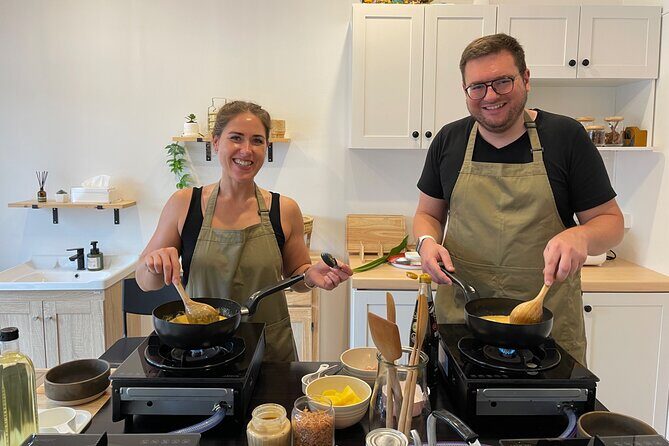
- Max 4 students, plus a private-group feel for your group size
- Market tour first, with tastings that help you understand Thai ingredients
- Clear step-by-step cooking across four different dishes
- Allergy and dietary needs can be handled, with separate prep when needed
- You take home a Thai cooking set (herbal curry paste and seasoning)
- Free transfer in Patong area is available, for an easier start
Patong Cooking With Chef Care: Small-Group, Big Flavor
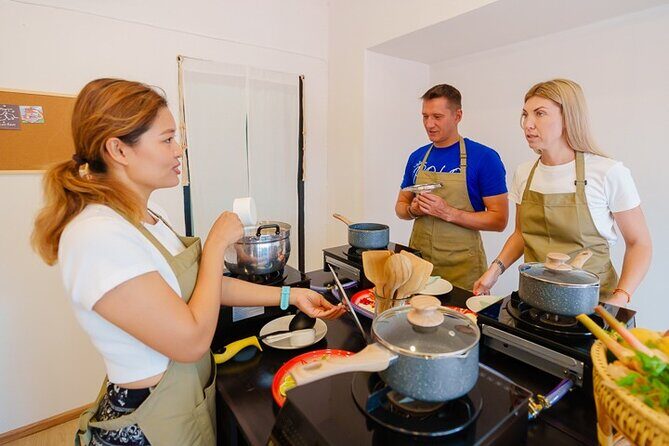
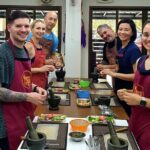
In Patong, cooking classes can feel either too touristy or too crowded. This one hits a sweet spot. The studio session is designed for an intimate group, so the kitchen time doesn’t feel rushed, and questions don’t get lost in the noise.
Chef Care runs the show from the first hello to the last bite. The structure matters: you start with a market tour, then move to the studio for a guided cooking flow. That sequence helps you connect ingredients to technique. You’re not just memorizing recipes. You’re learning how Thai cooking builds flavor: herbs and aromatics first, spices next, then balancing heat, saltiness, and sweetness as you cook.
Also, the dish lineup is practical. You’ll cook a soup, a curry, a stir-fry noodle dish, and a dessert. That’s a well-rounded mix of Thai cooking styles, so you come away with more than one “type” of recipe.
You can also read our reviews of more cooking classes in Phuket
The Market Tour in Patong: Why It’s More Than Shopping
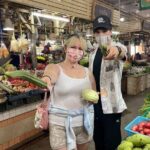
The day starts with a local fresh market tour to shop for the ingredients you’ll use back at the studio. This part is a big deal because Thai cooking is ingredient-driven. When you understand the produce and pantry items you’re buying, the final dishes make more sense.
You’ll also get tastings along the way—Thai fruit plus dessert and snack items. That’s not just a fun extra. It trains your palate for what you’re aiming for later. For example, mango and sticky rice are sweet and fragrant in a very specific way, and learning what “fresh” tastes like makes the dessert you cook feel more achievable.
You can also see what’s going on with spices and herbs before you handle them. Chef Care explains key ingredients like vegetables, spices, and herbs as part of the process. If you’ve ever struggled with Thai recipes because certain ingredients felt mysterious, this approach helps you connect the dots.
And yes, the market is where your appetite gets a head start. Come with a plan to eat well.
Arrival, Lemongrass Tea, and Getting Set Up
When you arrive at the studio, you’re welcomed with a drink: lemongrass tea with honey. It’s a nice reset after the market walk, and it also sets the tone. Thai cooking here is not just about the meal. It’s about comfort, pacing, and getting your bearings before you start chopping and cooking.
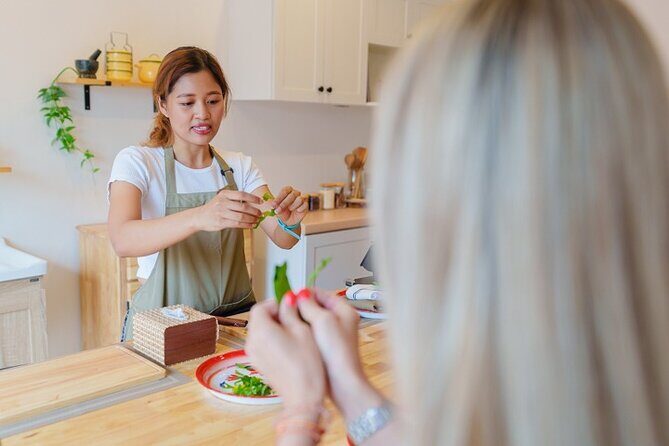
The studio itself is the working base for your class, and the format is simple: Chef Care introduces ingredients, then moves into cooking. There’s a clear teaching rhythm—explain, demonstrate, then cook your portion.
The experience is designed around a small group, which matters for two reasons. First, you spend more time cooking. Second, you get personal guidance when something doesn’t look right or taste right. Small group cooking is where you learn faster, because you’re not waiting your turn.
Four Classic Dishes You’ll Cook (And Why This Menu Makes Sense)
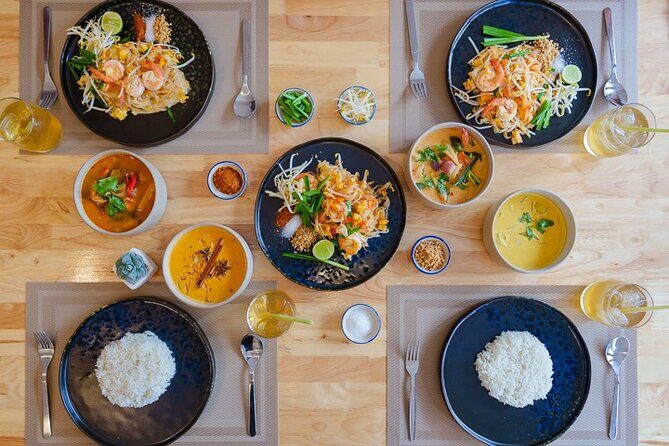
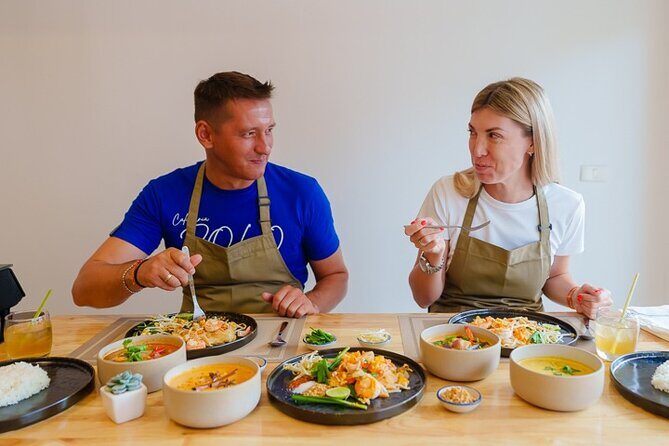
You’ll cook four authentic Thai dishes in the studio, and you’ll get to eat what you make at the end. This is a great lineup if you want variety without chaos.
Tom Yum Goong: Spicy Thai Herb Soup
You’ll learn to make Tom Yum Goong, the spicy soup with Thai herbs. This dish is a flavor lesson in a bowl. It helps you understand how Thai herbs work together with heat and sour notes. It’s also a dish that shows you how quickly Thai flavor can come together when ingredients are handled correctly.




Gang Massaman Ghai: Massaman Chicken Curry
Next is Gang Massaman Ghai (Massaman curry with chicken). Massaman is a different personality from Tom Yum: richer, warmer, and more layered. Cooking it gives you a curry framework you can reuse later—especially if you’re interested in building comfort-food depth in Thai style.
Pad Thai Goong: Stir-Fried Rice Noodles With Shrimp
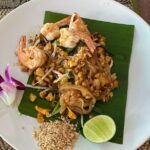
Then you cook Pad Thai Goong, stir-fried rice noodles with shrimp. This dish teaches technique under pressure because noodles can go from perfect to mushy fast if timing is off. In a small group class, you can get real guidance so you don’t have to guess.
One of the nice parts of the class flow is that you’re not just “watching noodles.” You’re actively cooking your own portion and learning how to control results.
Khaow Neaw Ma Muang: Mango With Sticky Rice
Finally, you’ll make Khaow Neaw Ma Muang—mango with sticky rice. This dessert is a reminder that Thai food isn’t only spicy and savory. It’s also about balance, texture, and fragrance. It’s also an easy “wow” dish for home cooking because once you understand the key pieces, the steps become repeatable.
Small-Group Setup: Your Work Station and Your Spice Level
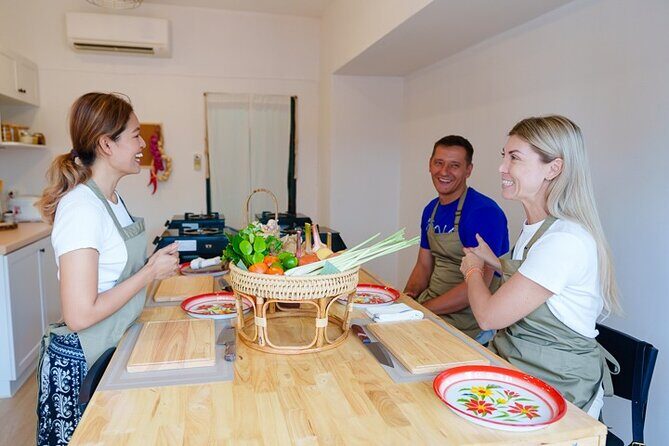
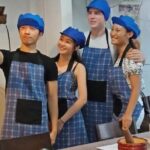
Chef Care keeps the class to a maximum of 4 students. That means you get hands-on time and a station that’s actually yours. You’re not standing in the background waiting for a turn.
A major perk here is customization. If you have preferences, you can tell Chef Care in advance, and she can arrange for you to learn Thai dishes you want to focus on. If you love a specific dish and you want to learn it, this class is set up to be flexible.
Spice level also matters. You can control the heat in a way that fits your taste, which is especially helpful if you want Thai flavor without turning your mouth into a hot stove.
Dietary Restrictions and Allergies: The Real Test, Handled Here
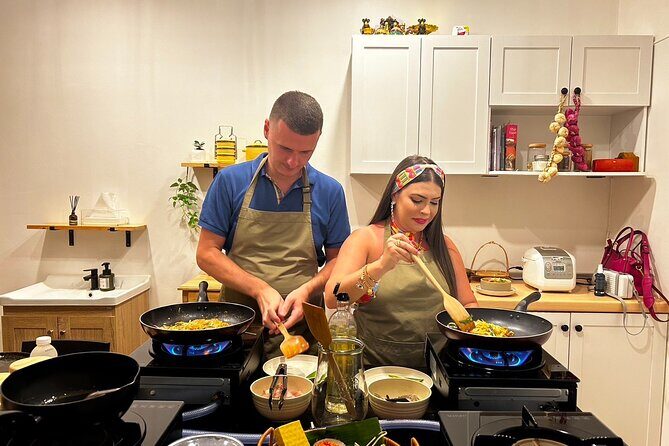
This class explicitly supports dietary restrictions and allergies. Chef Care asks you to let her know your needs so she can prepare a separate set.
That’s not a vague promise. In practice, this type of handling is what makes a cooking class actually usable for people with real limits. You’re not left trying to pick around sauces or hoping substitutions are close enough.
If you have allergies, treat this as a heads-up-first situation. Communicate early so separate prep is possible. That’s how you protect the experience and also protect the meal you’ll eat.
What You Take Home: A Thai Cooking Set for Real Practice
After cooking and eating, you get a souvenir: a Thai cooking set, including herbal curry paste and seasoning. This is the part that turns the class from a one-time event into something you can repeat at home.
It also helps you bridge the gap between “I can follow this recipe” and “I can actually cook Thai food again later.” Having the paste and seasoning on hand removes friction the next time you want Massaman-style comfort or curry depth.
If you like cooking, this is a practical takeaway—not just a token.
Transfers in Patong: Easier Start, Less Hassle
Logistics can make or break a food tour. Here, free transfer in the Patong area is available. That matters because cooking classes still require you to arrive on time, pay attention, and not start the session frazzled.
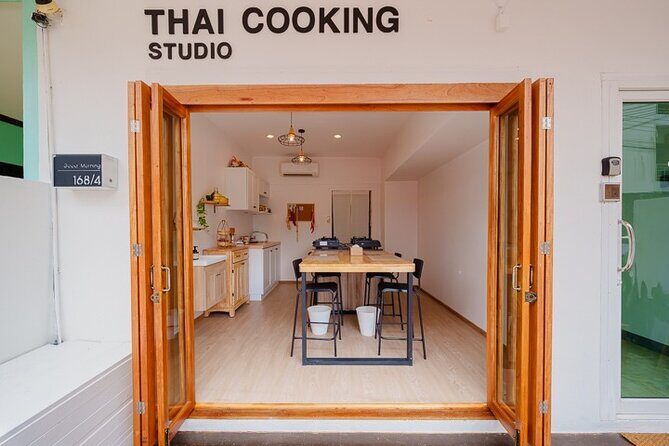
You’ll meet at the Thai cooking studio Phuket. The address given is:
Thai cooking studio 168 Tambon Patong, Amphoe Kathu, Chang Wat Phuket 83150, Thailand
The activity ends back at the meeting point.
Price and Value: How $81.49 Fits a Four-Hour Meal Lesson
At $81.49 per person for about 4 hours, the cost isn’t just about “a class.” You’re paying for three value drivers:
- Market ingredient shopping with tastings
- Cooking instruction focused on real Thai dishes (not generic techniques)
- The souvenir cooking set you can use later
For a small-group format with max 4 students, the price is more reasonable than larger classes where attention is spread thin. You’re also getting a meal out of it—four dishes, plus a warm welcome drink. So you’re not only buying instruction. You’re buying a full food experience that’s hard to replicate on your own without buying a lot of ingredients first.
If you’re coming to Phuket and you want one cooking activity that has both teaching and flavor payoff, this price lands in the “worth it” category—especially if your group can make the small-group setup work for you.
Who This Class Is Best For (And Who Might Want Something Else)
This cooking class is a strong match if you:
- want a small, private-group feel rather than a big tour group
- love Thai food and want hands-on dishes you can cook at home
- care about learning ingredients, spices, and herbs with context
- need dietary flexibility or allergy-aware cooking
You might choose a different option if you prefer a “watch mostly, taste a little” format. This is built for people who want to cook, stand at the station, and eat what they make.
Also, if you’re scheduling your day around very light meals, build in space. You’ll be sampling food during the market portion and then cooking four dishes.
Should You Book Chef Care’s Patong Cooking Class?
Yes, if you want Thai cooking that feels personal, practical, and grounded in ingredients. Chef Care’s approach works because the class is organized: market first, then studio, then cooking four dishes you can actually recreate. The small-group size helps you learn instead of just pass time.
Book it if your top goal is to come home with both recipes and ingredients. The take-home herbal curry paste and seasoning is a big nudge in the right direction.
Skip it only if your ideal activity is low-effort. This is a hands-on class, and it expects you to participate. If that sounds like fun, you’re in the right place.
FAQ
How long is the Thai cooking class in Patong?
The class runs for about 4 hours.
What dishes will I cook during the class?
You’ll cook four dishes: Tom Yum Goong (spicy soup with Thai herbs), Gang Massaman Ghai (Massaman curry with chicken), Pad Thai Goong (stir-fried rice noodles with shrimp), and Khaow Neaw Ma Muang (mango with sticky rice).
Is this a private class or a group class?
It’s designed as a small-group experience with a maximum of 4 students, and it’s described as your private group. The activity also notes a maximum of 5 travelers.
Can Chef Care accommodate allergies or dietary restrictions?
Yes. You should let Chef Care know about allergies or dietary restrictions, and she will prepare a separate set when needed.
Is there free transfer in Patong?
Yes. Free transfer in the Patong area is available.
What do I receive to take home?
You get a Thai cooking set, including herbal curry paste and seasoning, so you can cook Thai food at home later.