REVIEW · PHUKET
Phuket: Guided Walk Tour to Elephant Sanctuary with Transfer
Book on GetYourGuide →Operated by Patong Hill Tribe Elephant Village – Ethical Elephant Sanctuary Phuket · Bookable on GetYourGuide
Elephants set the pace here. This Phuket experience mixes elephant education with a peaceful walk through jungle trails, ending with a gentle, respectful chance to feed the herd. You’ll learn how caretakers manage captive elephants, what daily life looks like for them, and what makes their situation different from the wild.
I especially love two parts: the clear lesson on wild vs captive elephants, and the way the guide turns the walk into an education about behavior. You’ll pick up useful ideas like reading body language and understanding how elephants move, eat, and socialize. If you like your animal time calm and informative, this hits the mark.
One consideration: this is a hands-on outdoor walk in a hillside sanctuary setting, and it’s not suitable for everyone (kids under 6, pregnant women, people with back problems, and wheelchair users are listed as not suitable). If mobility is an issue, you may want to choose a different activity.
In This Review
- Key things you’ll notice on this Phuket elephant sanctuary walk
- Elephant sanctuary walk in Phuket: what makes it feel real
- The 90 minutes on the ground: a steady, manageable time window
- Getting there from your Phuket hotel: transfers and the 10-minute rule
- Starting the tour: where the elephants’ story begins
- The jungle trail walk: behavior, body language, and social life
- Caretaker and mahout insights: the human side of elephant care
- The end moment: hand-feeding their favorite treats (and how to do it right)
- Price and value: why $51 can feel fair for what you get
- What to bring in Phuket jungle heat (so you’re comfortable)
- Who should book this Phuket elephant sanctuary walk
- Who should skip it (or at least ask questions first)
- My quick decision guide: should you book it?
- FAQ
- How long is the Phuket guided elephant sanctuary walk?
- Is hotel pickup included, and is it round-trip?
- What areas can pickup be arranged from?
- What time should I be ready for pickup?
- What language is the tour guide?
- What should I bring to the tour?
- Is smoking allowed during the experience?
Key things you’ll notice on this Phuket elephant sanctuary walk
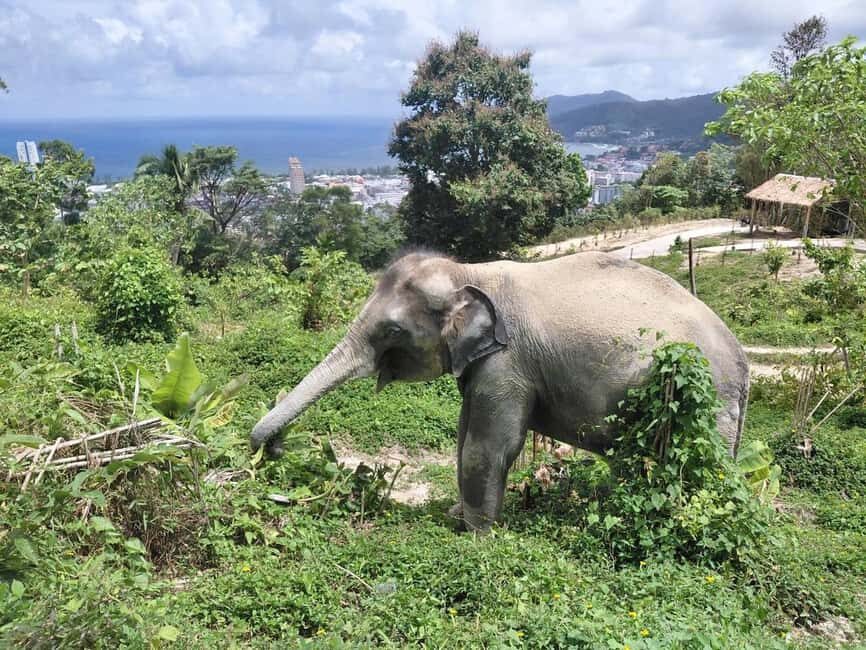
- A calm, respectful pace: you’re walking in the elephants’ habitat, not rushing through a show
- Wild vs captive explained: you’ll hear the real differences and what captivity involves
- Behavior reading in plain terms: body language and social interactions become part of the story
- Hill tribe caretaker insights: you’ll learn about the mahout traditions and daily caretaker roles
- Jungle trails with good scenery: scenic hillside paths where elephants can roam naturally
- A hand-feed finale: you’ll offer the elephants their favorite treats at the end of the tour
Elephant sanctuary walk in Phuket: what makes it feel real

This tour works because it treats elephants as animals first, not as entertainment props. The format is simple: education up front, a guided walk through scenic jungle trails while the elephants move around naturally, then a careful hand-feeding moment at the end.
You’ll get a human angle too. Alongside elephant care education, you’ll hear hill tribe caretaker insights, including mahout traditions and how caretakers think about elephant daily life. It makes the visit feel less like a photo stop and more like learning the relationship between people and animals in a sanctuary setting.
You can also read our reviews of more walking tours in Phuket



The 90 minutes on the ground: a steady, manageable time window
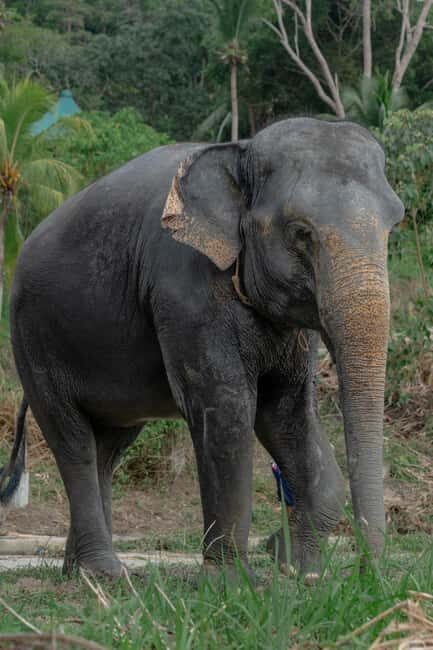
Ninety minutes sounds short until you’re actually walking at a calm pace and watching behavior closely. The timing works well for a Phuket day because you’re not stuck for hours. You’ll start with an intro, then shift into the walk, and finish with the treat-feeding finale—so the experience has a clean rhythm.
Also, it’s a guided experience with an English-speaking live guide. That matters here because you’ll get the behavior explanations while you’re seeing them, not after you’ve left.
Getting there from your Phuket hotel: transfers and the 10-minute rule
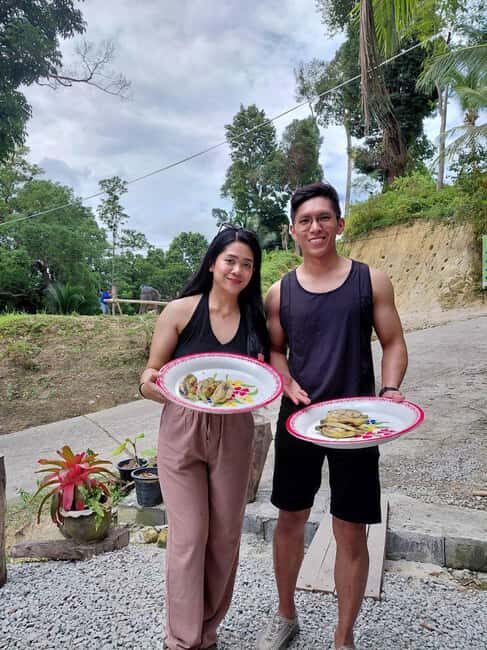
Phuket logistics can make or break the day, so I like that this experience includes hotel transfer as part of the options. There’s also a van ride segment of about 20 minutes, which helps if you don’t want to figure out local transport on your own.
You can usually arrange pickup from areas like Patong, Kata, Karon, Phuket Town, Kamla, Surin, Bangtao, and Laguna. Your instruction is straightforward: plan to meet your driver at your hotel lobby at least 10 minutes before the scheduled pickup time. If you arrive more than 10 minutes late—or after the program has already started—you may be considered a no-show.
On the back end, drop-offs are spread across Phuket (including places such as Kamala, Karon, Bang Thao, Old Phuket Town, Kathu, Pa Tong, and Phuket). That means you’re less likely to end up stranded across the island from where you’re staying.
Starting the tour: where the elephants’ story begins
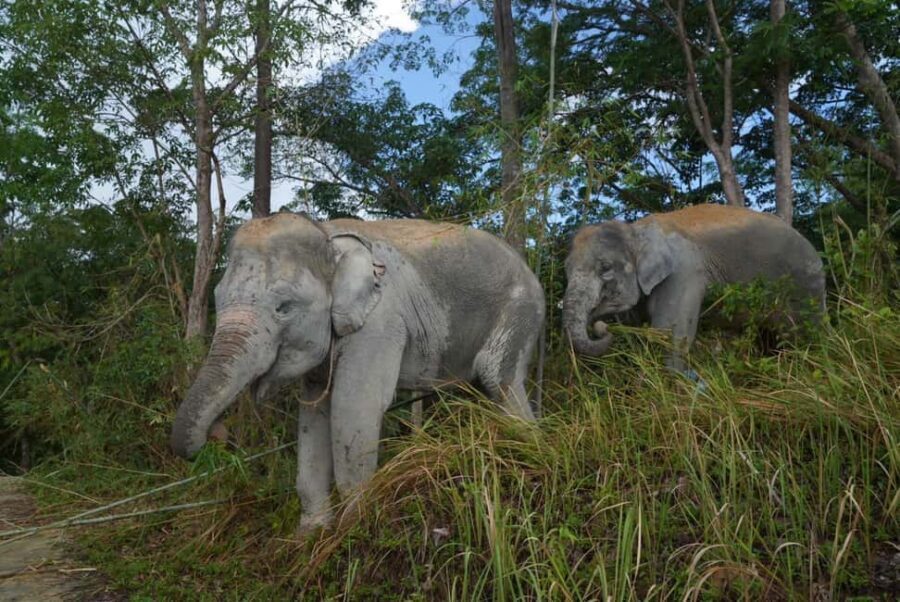
Before you even hit the trail, you’ll get an intro to the elephants and their background. This is the part that makes the rest of the walk make sense—because you’ll hear how they came to live in the sanctuary and what their day-to-day life looks like here.
You’ll also learn the difference between wild and captive elephants. That’s not just a trivia fact. It changes how you interpret what you’re seeing: how elephants behave in a managed environment, how caretakers work around their needs, and how freedom and routine can look different depending on where an elephant lives.
A good guide can turn this into a mental framework. In this case, the experience uses that framework during the walk, with topics like behavior patterns and how elephants interact socially.
The jungle trail walk: behavior, body language, and social life

Once you’re on the trails, the experience shifts from talk to observation. The guides walk with you through the sanctuary’s scenic jungle trails, and you’ll get real-time commentary about what elephant body language can signal.
Here’s what you can expect to focus on:
- How elephants move and eat naturally in their environment
- Body language—how ears, posture, and direction of movement can communicate comfort, curiosity, or interest
- Social interactions, so you’re not just seeing one elephant, you’re watching how the group works
This is where the sanctuary setting matters. The elephants are in their hillside home rather than in a rigid performance zone. One of the strongest impressions from the experience is that the herd can roam freely, so you’re more likely to see natural spacing and movement rather than forced routines.
You can also read our reviews of more guided tours in Phuket






Caretaker and mahout insights: the human side of elephant care
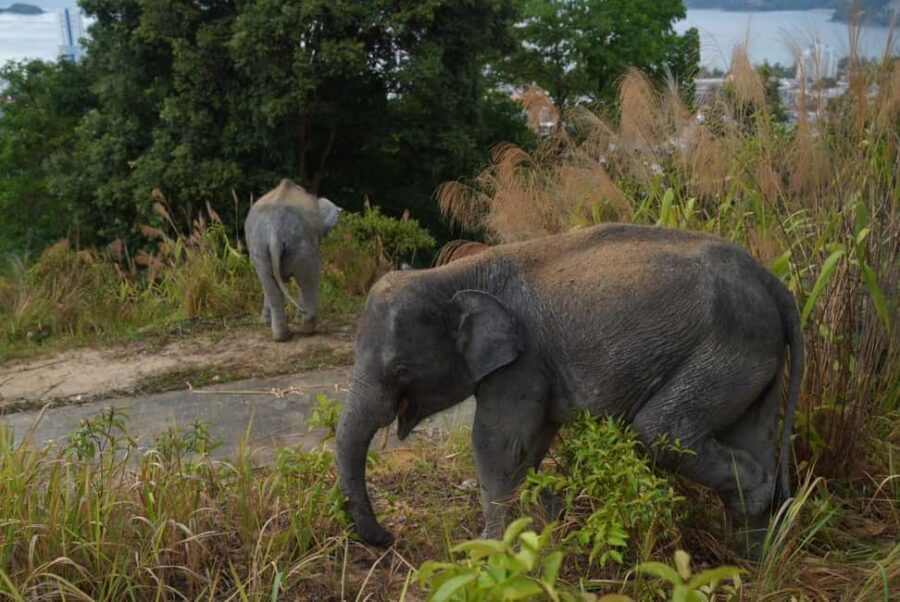
I like that the education doesn’t stop at elephant facts. You’ll also get insights from hill tribe caretakers, including context around mahout traditions. Even if you’ve never heard the term before, you’ll quickly understand that “mahout traditions” here means lived caretaker know-how: how elephants are managed daily, how caretakers read the elephants, and how that knowledge gets passed on.
This human angle is also a helpful reality check. Elephants don’t thrive through good intentions alone. They need consistent, informed care—feeding routines, safe handling practices, and observation. You’ll learn how caretakers fit into that picture.
The end moment: hand-feeding their favorite treats (and how to do it right)
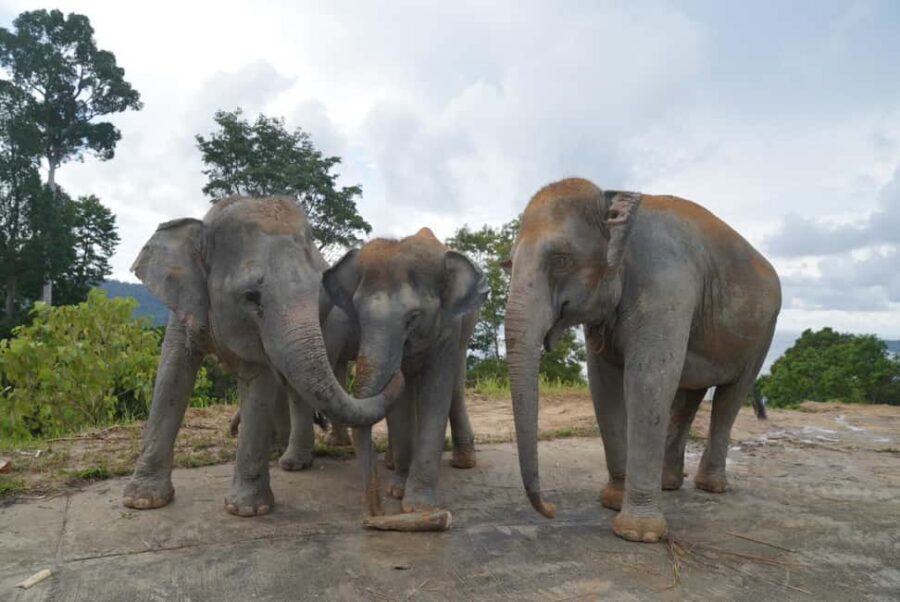
The tour finishes with a hand-feed moment. You’ll get the chance to feed the elephants their favorite treats at the end of the walk.
Two practical thoughts help you enjoy this part while keeping it respectful:
- Listen closely to the guide’s instructions before you offer any food.
- Keep it calm and simple—this is not a sprint or a photo frenzy moment.
Because the experience is designed around ethical elephant tourism and conservation, the feeding part is framed as part of responsible interaction. Still, it’s worth saying plainly: if you dislike any type of feeding interaction, this may not be your ideal style of elephant experience.
Price and value: why $51 can feel fair for what you get
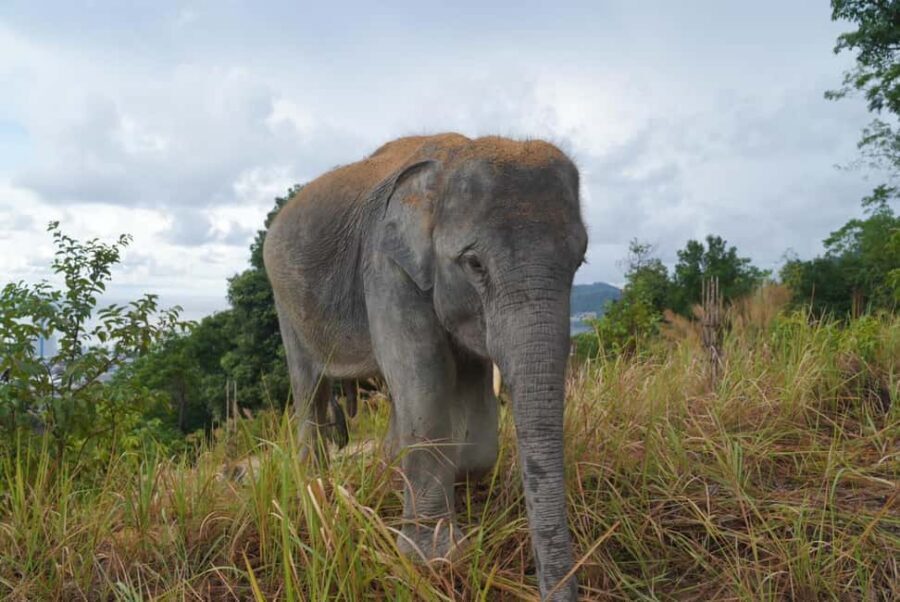
At $51 per person for about 90 minutes, you’re paying for more than just “elephant time.” You’re getting a guided walk, an elephant education session, hill tribe caretaker insights, and transfer support. Drinking water is included (with a prompt to bring a reused bottle), and insurance is also part of the package.
Is it a bargain? Not always, and that’s okay. Elephant sanctuaries cost money to run responsibly. What makes this feel like solid value is the combination of:
- education (so you learn, not just watch)
- a guided walk through the habitat (so the time feels purposeful)
- transfer support (so you’re not adding extra costs and hassle)
If you want a short, respectful experience that feels grounded, this price structure makes sense.
What to bring in Phuket jungle heat (so you’re comfortable)
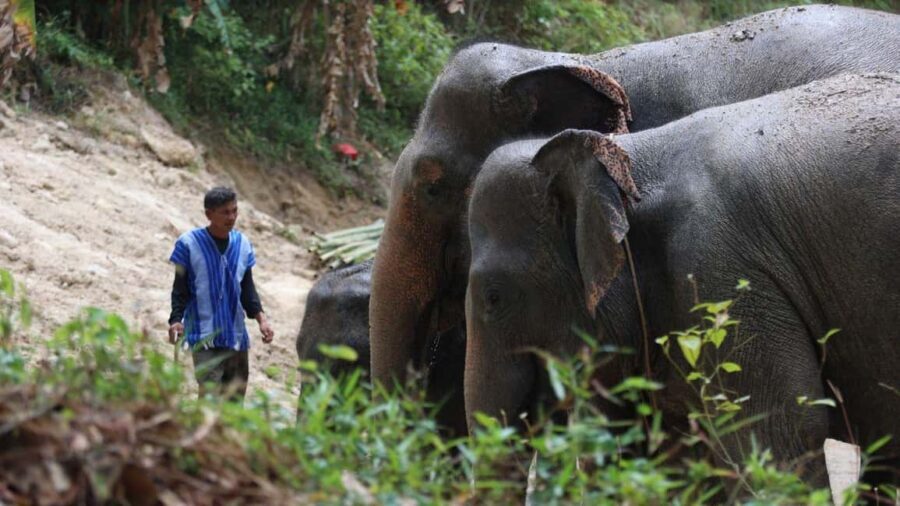
Even when the day stays calm, Phuket can be hot and humid. Bring the basics so you don’t spend the walk thinking about your feet or your sunburn.
Here’s the practical packing list from the tour guidance:
- Comfortable shoes (this is a walk through trails)
- Hat
- Camera
- Sunscreen
- Water (you’ll also receive drinking water, but bringing your own reused bottle helps)
- Insect repellent
And one simple rule: no smoking during the activity.
If you tend to overpack, great. Just prioritize comfort and sun protection first. You’ll enjoy the elephants more when you’re not busy adjusting straps and wiping sweat every two minutes.
Who should book this Phuket elephant sanctuary walk
This tour is a strong match if you want:
- a calm, educational encounter with elephants
- time outdoors on jungle trails without a chaotic vibe
- a deeper explanation of how elephants live in captivity vs the wild
- a respectful chance to feed elephants their treats at the end
It’s also a good fit for families who can meet the minimum age requirement. The tour is listed as suitable for all ages in general, but it’s not suitable for children under 6.
Who should skip it (or at least ask questions first)
This is where I’d be honest. The tour guidance says it’s not suitable for:
- children under 6
- pregnant women
- people with back problems
- wheelchair users
There’s also a small internal inconsistency worth flagging: the experience is listed as wheelchair accessible, but it’s also listed as not suitable for wheelchair users. If you’re using a wheelchair, it’s smart to check directly with the operator before you book.
If you have any mobility concerns, don’t assume it will be easy. The setting is jungle trails, and the program is designed around walking.
My quick decision guide: should you book it?
Book it if you want a short, meaningful elephant experience in Phuket with education, guided trail time, and an ethical approach that emphasizes how elephants actually behave. It’s especially compelling if you like learning: wild vs captive differences, elephant body language, and hill tribe caretaker insights all come together during the walk.
Skip or switch if you can’t handle an outdoor walking experience, if you’re in one of the listed not-suitable categories, or if you’d rather avoid any form of hand-feeding.
If you book, plan to arrive on time for pickup, wear real shoes, and bring sun and bug protection. Do that, and you’ll get a visit that feels more like a respectful day in an elephant’s world than a check-the-box outing.
FAQ
How long is the Phuket guided elephant sanctuary walk?
The duration is 90 minutes.
Is hotel pickup included, and is it round-trip?
A hotel transfer is included, but round-trip transfers are not listed as included.
What areas can pickup be arranged from?
Pickup is available optionally from Patong, Kata, Karon, Phuket Town, Kamla, Surin, Bangtao, and Laguna.
What time should I be ready for pickup?
You should plan to meet your driver at your hotel lobby at least 10 minutes prior to the scheduled pickup time.
What language is the tour guide?
The live tour guide is English.
What should I bring to the tour?
Bring comfortable shoes, a hat, sunscreen, camera (if you want), water (a reused bottle is suggested), and insect repellent.
Is smoking allowed during the experience?
No, smoking is not allowed.