REVIEW · PHUKET
Phuket: Eco Guided Tour at Elephant Sanctuary
Book on GetYourGuide →Operated by Patong Hill Tribe Elephant Village – Ethical Elephant Sanctuary Phuket · Bookable on GetYourGuide
Phuket can feel like one big loop of beaches and late dinners, but this eco-guided elephant sanctuary visit is a quick, meaningful change of pace. In just 30 minutes, you get an expert briefing on mahout caretakers and captive elephants, then you make herbal vitamin balls and feed your handmade treats. One thing to plan for: the time with the elephants is brief, because the format is designed to be fast.
I also like how the experience stays focused on respect and natural behavior. You learn why the sanctuary doesn’t allow forced bathing or mud play, and you’re guided on how elephants should be treated like elephants, not like props. If you want a long, slow day in the woods, this may feel too short. If you want an ethical, educational stop that fits into a Phuket schedule, it’s a smart choice.
In This Review
- Key highlights worth your attention
- Entering an ethical elephant sanctuary in Phuket, not a show
- The 30-minute guided briefing: mahouts, daily care, and wild vs. captive
- Why forced bathing and mud play are off the table
- Making herbal vitamin balls: hands-on care you can actually picture
- Walking through the sanctuary to meet and feed elephants
- Transfers across Phuket: the van time can shape your day
- Price value: $32 for education plus feeding, not just photos
- What to bring (and what not to do) for a smoother visit
- Who this experience suits best
- Guide personality: why it can feel special even in 30 minutes
- Should you book Phuket: Eco Guided Tour at Elephant Sanctuary?
- FAQ
- How long is the Phuket eco guided elephant sanctuary tour?
- Is herbal food preparation included?
- Can I feed the elephants?
- What should I bring with me?
- Is flash photography allowed?
- What about pickup and drop-off around Phuket?
Key highlights worth your attention
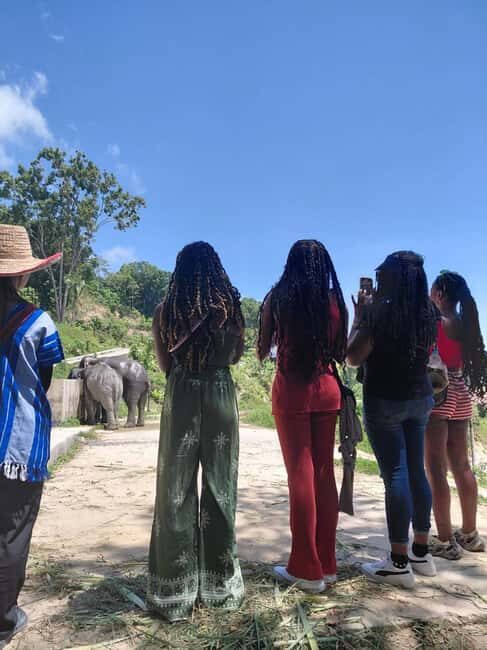
- Mahout-centered briefing on daily care and why caretakers matter just as much as the elephants
- Captive vs. wild elephant explanation so you understand what you’re actually seeing
- Hands-on herbal vitamin balls made from natural ingredients for digestion and health
- Feed elephants your handmade treats during a walk-through in the sanctuary setting
- Clear rules against forced bathing and mud play to protect natural elephant behavior
- A guide-led, calm experience where quiet, respectful interaction is expected
Entering an ethical elephant sanctuary in Phuket, not a show
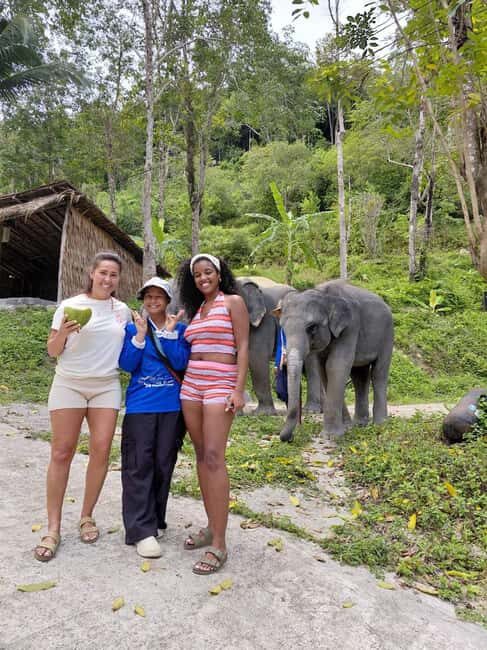
This is the kind of elephant encounter that feels different from the usual tourism script. There’s no push to pose, pose, pose. Instead, you’re pulled into a short lesson first, then you participate in a small, practical care activity.
Your visit centers on how elephants live day to day in human care, and how mahouts support them. The sanctuary frames the experience around natural habits rather than staged gimmicks. That matters, because elephant tourism can be a mess when the main goal is entertainment. Here, the goal is education plus responsible interaction.
Also, the format is designed to be easy to plug into a beach trip. You’re not committing to an all-day trek, which is a big deal if you only have a couple days in Phuket.
You can also read our reviews of more guided tours in Phuket


The 30-minute guided briefing: mahouts, daily care, and wild vs. captive
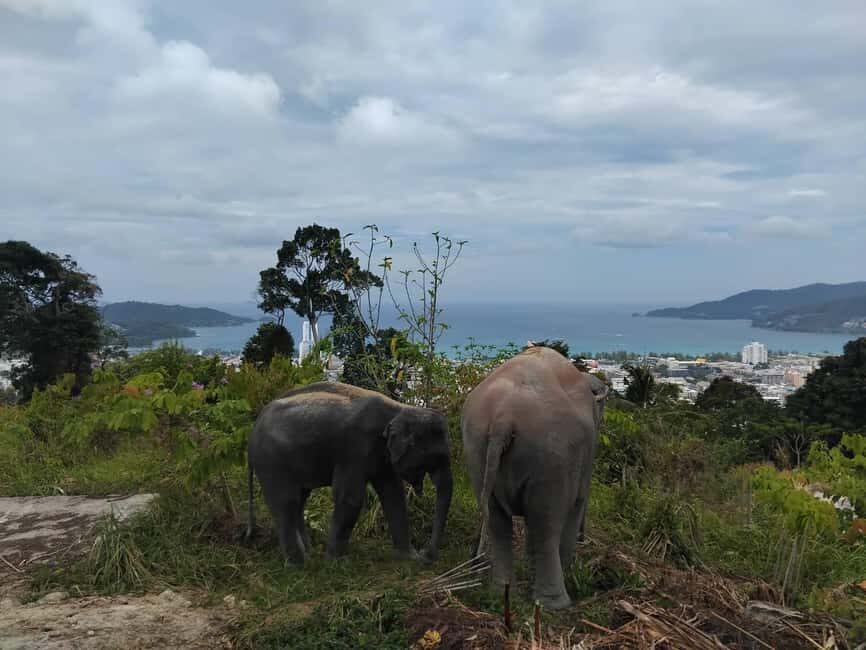
Before you walk around, you start with a briefing led by an expert guide. This isn’t just a few facts and a photo moment. You get context on what you’re about to see and why it’s handled the way it is.
You’ll learn about:
- Mahouts, the caretakers who support daily routines and elephant wellbeing
- Daily care practices in a sanctuary setting
- Differences between wild and captive elephants, explained in a way that helps you watch more thoughtfully
- How Hill Tribe elephant care traditions connect to this work, including families from Mae Wang, Chiang Mai who have settled in Patong, Phuket
That last point is one of the most interesting. Elephant care isn’t just a modern hobby here. The sanctuary ties the work to hill tribe families and the traditional knowledge they carried with them. Even if you don’t know anything about elephants going in, that background helps you understand why caretaking style and handling rules are taken seriously.
Why forced bathing and mud play are off the table
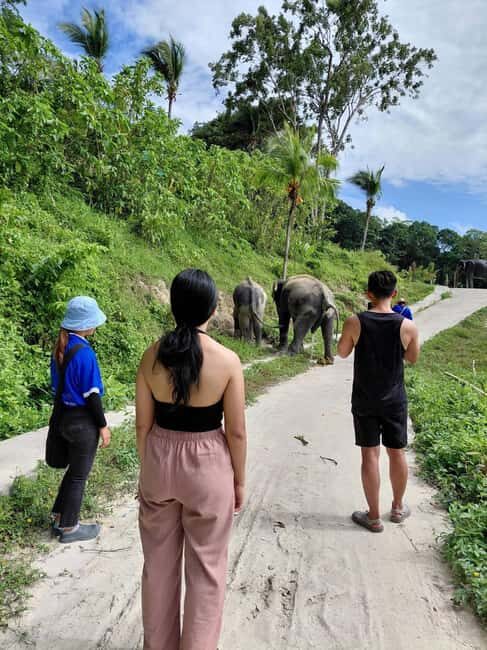
One of the clearer ethical signals in this experience is what’s not allowed. The sanctuary explains why it does not permit forced bathing or mud play with elephants.
For you as a visitor, this is practical information, not just a moral statement. It changes the feel of the encounter. Elephants aren’t treated like party guests you control. Instead, the emphasis is on respecting their choice and comfort—so the elephants can continue their day in a way that aligns with their natural behaviors.
You should also expect a calm environment with guidance on respectful, quiet behavior. If you’re the type who likes to shout across animals or take frantic videos, this experience will not be a match.
Making herbal vitamin balls: hands-on care you can actually picture
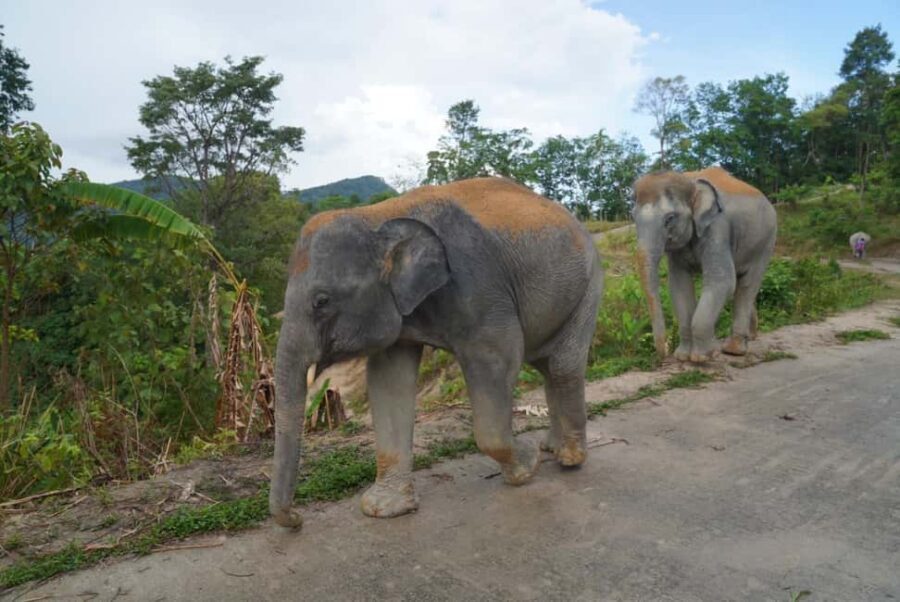
After the briefing, the tour shifts into a hands-on activity. You’ll prepare the sanctuary’s favorite herbal vitamin balls—made from natural ingredients designed to support digestion and health.
This part is one reason the tour feels more valuable than a standard feeding-only visit. You don’t just throw food. You help make it. That gives you a better mental model for what care looks like on a daily basis.
A few things to keep in mind as you do this:
- Wear comfortable shoes, because you’ll be standing and moving around
- Have sunscreen and a hat ready, since Phuket sun can be intense even when the session is short
- No flash photography is allowed, so plan to use your camera’s normal settings without relying on a flash
The herbal ball activity also keeps the experience grounded in nutrition and wellbeing. It’s small, but it gives you a glimpse into how caretakers think—short-term feeding matters, but digestion and health matter too.
Walking through the sanctuary to meet and feed elephants
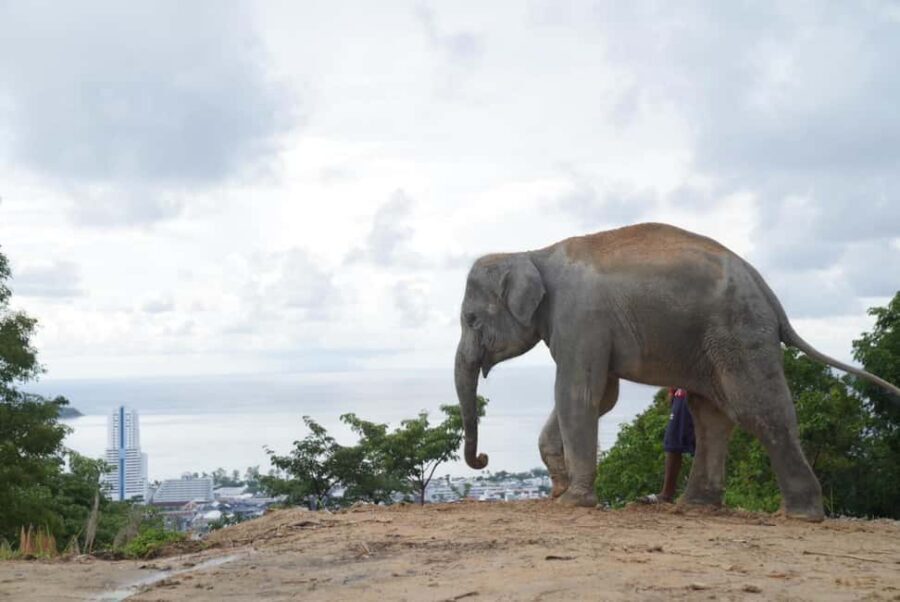
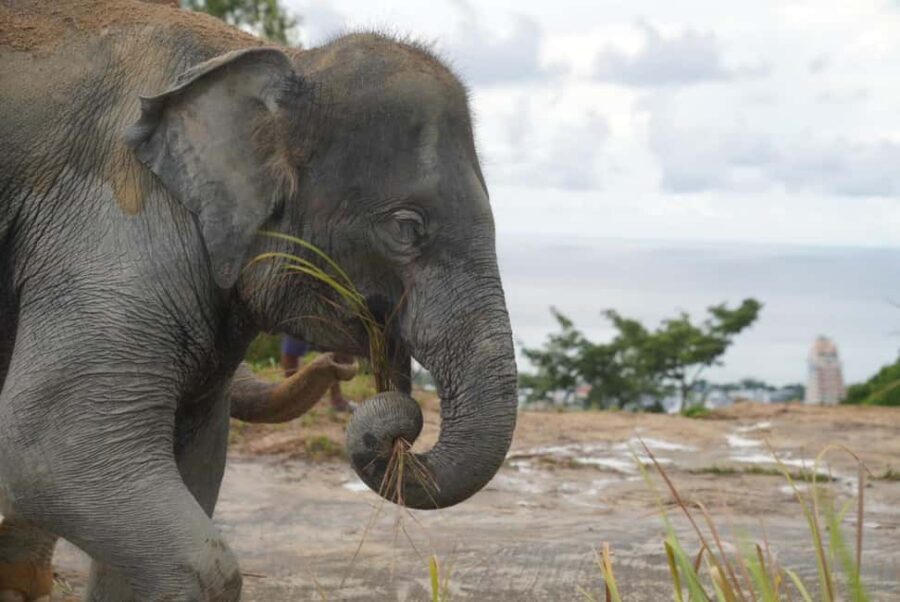
Now comes the up-close part. You walk through the sanctuary to meet and feed the elephants. The key word here is guided and controlled, not wild and chaotic.
You’ll feed them your handmade treats, with care instructions from the team. You’re also learning the relationship between elephants and mahouts as you move through the space, rather than learning it in a classroom and then forgetting it instantly.
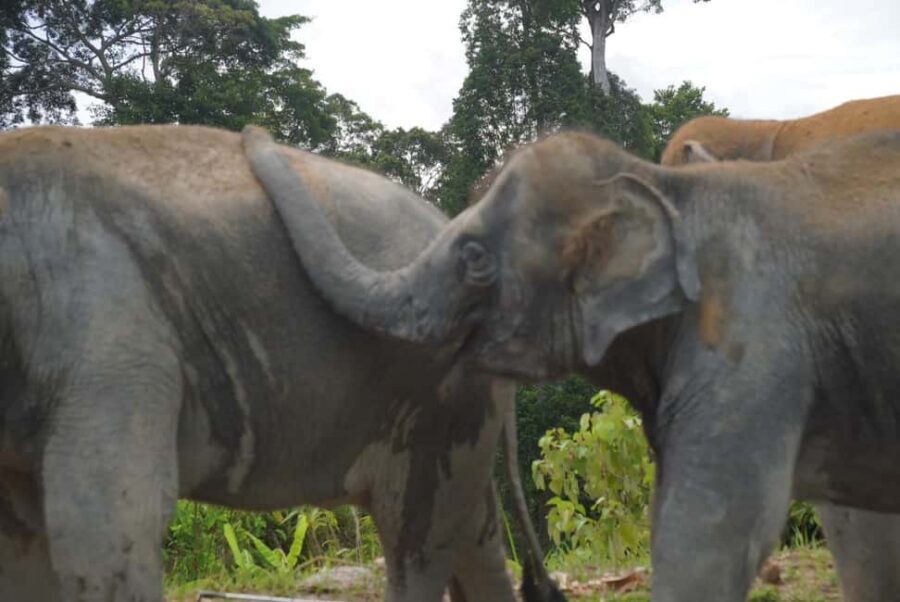
One subtle but important difference: you’re not being asked to force contact. Forced interactions are not allowed. That rule supports the ethical approach the sanctuary is aiming for. In practice, it means you should keep your distance when the guide asks and follow positioning cues so the elephants can remain comfortable.
For some people, this might feel less thrilling than a hands-on stunt. But for most, it’s exactly the point. The value here is seeing how caretaker routines work and understanding why the elephants are treated with restraint.





Transfers across Phuket: the van time can shape your day
The tour includes round-trip transfers if you choose the transfer option. If you’re staying near a busy beach strip, this is a relief. Instead of figuring out rides on your own, you’re moved between Phuket areas in a van.
Here’s what you should expect timing-wise:
- Your pickup depends on the selected option
- You ride by van for about 30 minutes
- Then you get the guided elephant sanctuary experience
- Afterward, there are drop-off points across Phuket
The drop-off list is wide, including beach areas and piers: Kata Beach, Bang Tao Beach, Ao Po Pier, Laem Hin Lagoon Pier, The Village Coconut Island (ferry crossing), Karon Beach, Rawai Beach, Panwa Beach Side Beachfront, and Hill Tribe Elephant Village. That spread matters because it can reduce your hassle. But remember the tradeoff: the drive time counts toward your total day, even though the main elephant time is short.
If you’re trying to pack in multiple activities, I’d treat this as a half-hour elephant encounter plus travel. If you’re relying on it as your only animal activity, give yourself breathing room before or after.
Price value: $32 for education plus feeding, not just photos
At around $32 per person for a 30-minute experience, the headline value is not just that you see elephants. You get:
- A guide-led briefing on captive care and wild vs. captive differences
- The herbal vitamin ball preparation activity
- Feeding elephants with handmade treats
- Drinking water (you’re asked to bring a reused bottle)
- Insurance
- Transfers if you select them
So you’re paying for more than a quick snack session. You’re paying for context, a practical nutrition activity, and structured feeding that follows sanctuary rules. In Phuket, where elephant tourism can vary wildly in ethics and cost, this format is at least trying to deliver education plus responsible interaction.
The one “value” drawback is the duration. If you’re hoping for a long, slow walk and lots of time to observe elephant behavior, you’ll likely want a longer program elsewhere. But for a short Phuket visit, this pricing and length can be a clean fit.
What to bring (and what not to do) for a smoother visit
This tour is short, but you still need to show up ready. The essentials are all about sun, comfort, and photography rules.
Bring:
- Comfortable shoes for walking around the sanctuary
- Hat and sunscreen for Phuket sun
- Insect repellent
- Camera (but plan for no flash)
- A reusable bottle, since you’ll receive drinking water
Not allowed:
- Flash photography
And behavior matters. You’ll be asked to be respectful and keep quiet around elephants. Also, forced interactions are not allowed, so don’t try to bypass guide instructions even if you see someone moving closer.
Who this experience suits best
This tour makes the most sense if you:
- Want an ethical elephant experience without a full-day commitment
- Appreciate learning first, then participating
- Prefer calm, guided interactions rather than high-energy stunts
- Have limited time and still want a meaningful stop
It may not suit you if:
- You want very long elephant time
- You’re looking for a casual photo walk with minimal rules
Also, note the stated limitations:
- Not suitable for pregnant women
- Not suitable for people with mobility impairments
- Not suitable for people with animal allergies
There’s also a note that it is wheelchair accessible, so if you use a wheelchair or have limited mobility, you should confirm details with the provider before booking. The sanctuary walk-through and feeding setup could be the deciding factor.
Guide personality: why it can feel special even in 30 minutes
A short tour depends heavily on the guide. One guide name you may run into is Mayya, who’s been described as having a fun personality. That’s exactly what you want for this kind of visit: someone who can keep the tone friendly while still enforcing the sanctuary rules.
Even if your guide is different, the structure stays the same: briefing first, then practical care activity, then guided elephant feeding. A good guide makes those transitions easy and keeps you focused on the why, not just the what.
Should you book Phuket: Eco Guided Tour at Elephant Sanctuary?
Book it if you want a responsible, education-first elephant experience that fits into a short Phuket window. The mix of captive-care context, herbal vitamin ball prep, and feeding handmade treats gives you more than a simple encounter. At about $32, you’re also getting a structured activity, not just paying for proximity.
Skip or choose differently if you need:
- More time with the elephants
- A higher level of mobility support beyond what a short sanctuary walk might require
- An interaction style that feels more hands-on than feeding and careful observation
My practical advice: if you’re in Phuket and you only have time for one elephant stop, this is one of the options that prioritizes rules and natural behavior. Go prepared for sun and comfort, follow the no-flash and quiet guidelines, and treat the elephants like living beings with schedules—not attractions.
FAQ
How long is the Phuket eco guided elephant sanctuary tour?
The experience lasts about 30 minutes.
Is herbal food preparation included?
Yes. You’ll do a hands-on herbal food preparation activity making herbal vitamin balls.
Can I feed the elephants?
Yes. Feeding elephants is included, and you’ll feed them the treats you help prepare.
What should I bring with me?
Bring comfortable walking shoes, a hat, sunscreen, insect repellent, and a camera if you want. You should also bring a reused bottle for drinking water.
Is flash photography allowed?
No. Flash photography is not permitted.
What about pickup and drop-off around Phuket?
Pickup depends on the option you select, and you’ll get meeting point details after booking. After the tour, there are multiple drop-off locations across areas like Kata Beach, Bang Tao Beach, Karon Beach, Rawai Beach, Panwa Beach, and others listed for the experience.