REVIEW · PHUKET
Phuket : Guided Tour to Elephant Sanctuary with Transfers
Book on GetYourGuide →Operated by Patong Hill Tribe Elephant Village – Ethical Elephant Sanctuary Phuket · Bookable on GetYourGuide
A quiet walk with elephants near Phuket. This 1-hour experience at Patong Hill Tribe Elephant Village pairs a simple forest walk with real caretaking culture and hands-on food prep. I like that you get to meet the elephants and their hill tribe caretakers, including guides such as Pa and Par, before you ever step into the trees.
What I really like is the focus on retired elephants living in their own jungle environment, not performance tricks. I also like the way the guide explains communication and daily care, so you understand what you’re seeing while you walk and feed.
One consideration: it’s short—about an hour in the village—so if you’re hoping for an all-day deep nature outing, you may feel a bit rushed. Also, the forest walk isn’t ideal for everyone, since it involves paths and hills.
In This Review
- Key Highlights You’ll Actually Notice
- Pickup to the Hill Tribe Elephant Village: The Easy Part (and the Time It Takes)
- Meet the Elephants First: Education With Hill Tribe Caretakers
- Forest Walk: What It Feels Like to Walk Beside Foraging Elephants
- Banana Trees and Grass Harvest: Your Hands-On Care Moment
- Feeding From Your Hand: What’s Allowed, What’s Not, and How to Stay Safe
- The 1-Hour Village Visit: Packing in Meaning Without Dragging It Out
- Price and Value: Is $45 Worth It in Phuket?
- Who This Tour Fits Best (and Who Should Skip It)
- Should You Book This Phuket Elephant Sanctuary Tour?
- FAQ
- FAQ
- How long is the Elephant Sanctuary tour?
- Does this tour include hotel transfers in Phuket?
- What activities are included besides the forest walk?
- Can I feed the elephants during the visit?
- Is flash photography allowed?
- What should I bring to the tour?
- Is the tour suitable for everyone?
- What happens if I’m late to the meeting time?
Key Highlights You’ll Actually Notice

- Hands-on food prep: cut banana trees and harvest fresh grass for the elephants
- Education with real context: caretakers explain behavior and body language
- No riding, no tricks: elephants roam and forage in a natural reserve
- Offer food from your hand: herbal elephant food with staff supervising closely
- Transfers included if selected: van rides from multiple Phuket areas
- Strict rules for elephant safety: no flash photography and no touching or bathing
Pickup to the Hill Tribe Elephant Village: The Easy Part (and the Time It Takes)

Your day usually starts with a van pickup from Phuket-area hotels, depending on the option you pick. The ride is about 20 minutes each way, so you’re not burning half a day getting there, which matters in Phuket when heat and traffic can quietly steal your energy.
Once you’re in the car, keep your schedule honest. If you arrive more than 10 minutes late, you may be treated as a no-show after the program begins, so I’d rather you be early than sprinting at the last second. Bring the items you’ll use immediately—hat, sunscreen, insect repellent, and a camera—because once you’re at the village, there isn’t much time to improvise.
You can also read our reviews of more guided tours in Phuket



Meet the Elephants First: Education With Hill Tribe Caretakers
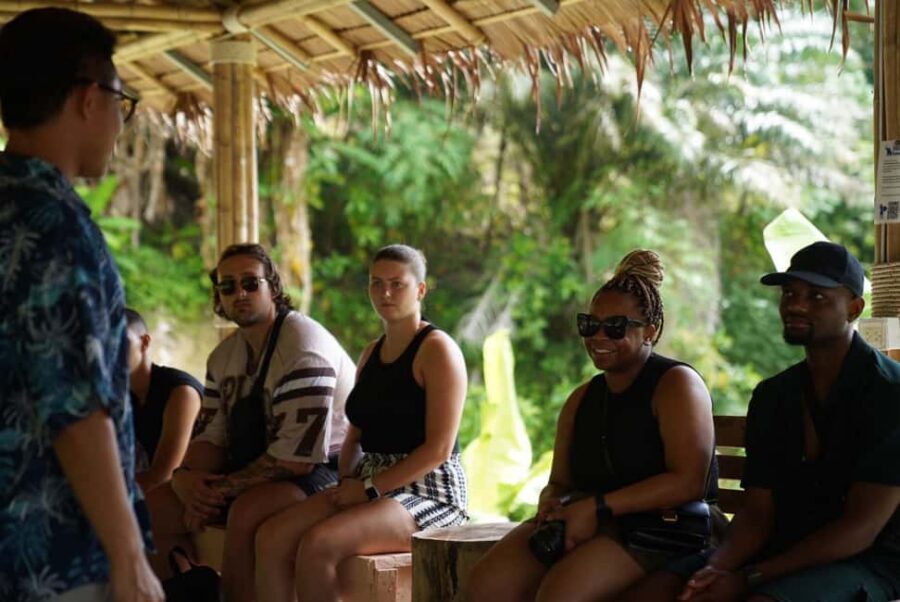
Before you enter the forest, you get an introduction to the elephants and the hill tribe caretakers. This is where the experience becomes more than cute photos. You learn how they care for elephants that are retired from tourism, and you hear about the connection between each mahout and their elephant—this matters because it changes how you watch the animals.
The guide talks about elephant behavior and communication in plain, practical terms. You’ll hear what to look for in body language and daily care routines, so when the elephants move slowly, pause, or forage, you can read it as normal behavior instead of guessing.
In the hands-on, human-first style of this sanctuary, the staff also keep you oriented and calm. That shows up in the small touches—like guides who take plenty of photos for you, including experiences with guides such as Chi Chi and Mike (also noted during pickup by some guests). The vibe here is “stay quiet, stay respectful, pay attention,” and that makes your walk feel more like observing caretaking than sightseeing.
Forest Walk: What It Feels Like to Walk Beside Foraging Elephants

After the intro, you step into the forest for a peaceful walk where elephants roam, forage, and interact naturally. You’re walking alongside them in their jungle home, which is exactly why this tour is worth it. Watching a large animal move through the landscape on its own terms gives you a totally different picture than anything you’d see on a “ride-and-pose” day.
This part is designed to be gentle and educational. The guide helps you understand what’s going on, and you’re not asked to do anything awkward like directing the animals. The elephants are the ones moving and choosing their pace, and your job is to stay safe, follow the rules, and let the moment happen.
There’s also time to meet the elephants during the visit, not just pass by quickly. If you’re lucky with timing, the experience can feel more intimate; some schedules have ended up with a one-on-one guide feel, which makes the behavior explanations easier to absorb.
Banana Trees and Grass Harvest: Your Hands-On Care Moment
One of the most memorable parts is preparing the elephants’ food. You help cut banana trees and collect fresh grass from the garden area for feeding. This isn’t just “look at the elephants,” it’s part of daily caretaking, and that’s why it hits so well.
Here’s how to think about it: elephants need food, and caretakers need help sourcing and preparing it. So when you take part in banana and grass harvesting, you’re not doing a stunt—you’re participating in the practical work that keeps the elephants comfortable.
You’ll also get access to the serene sanctuary environment for a short reset before feeding. That calmer stretch of time matters because elephants are not zoo-paced. They move when they move, and the sanctuary gives you space to slow down with them instead of rushing to a timed show.
Feeding From Your Hand: What’s Allowed, What’s Not, and How to Stay Safe
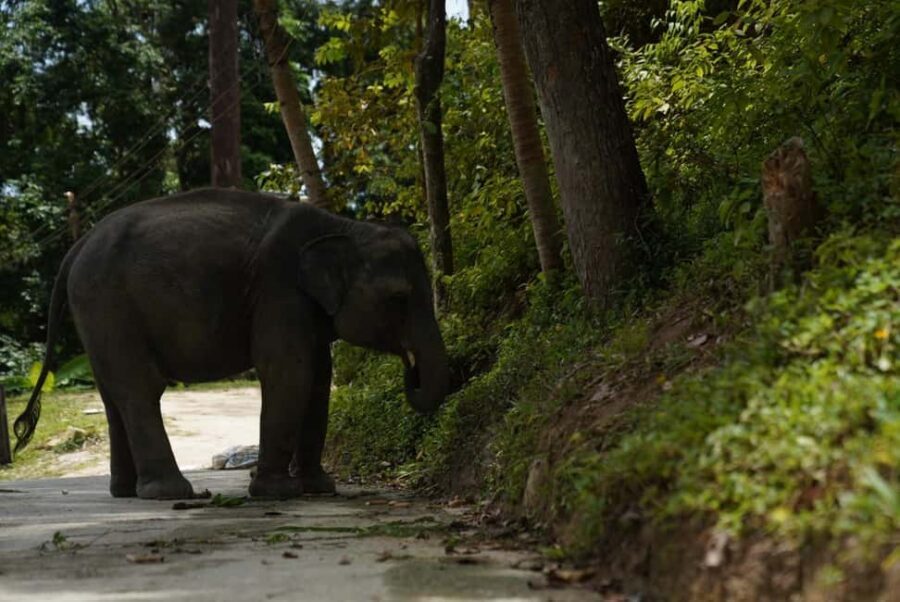
Feeding is where the experience turns emotional—because it feels personal, even with strict guidelines. You’ll prepare or receive herbal elephant food and can feed it from your hand while staff supervise to keep everyone safe.
It’s important to know what’s not allowed. You should expect rules like no flash photography, no loud noises, and no direct bathing or touching of the elephants. Feeding from your hand is part of the experience, but direct touching of the elephants isn’t.
If you want the best experience, keep your movements slow and your voice low. Even if you’re excited, this is the kind of interaction that works best when you don’t crowd the animals. The guide’s job is to position you safely and explain behavior, so trust that flow and let the elephants approach on their own terms.
A small practical tip: wear closed-toe shoes and long-ish clothing if you have it. The forest walk is natural terrain, and you’ll feel more steady moving carefully on uneven ground and in the shade.






The 1-Hour Village Visit: Packing in Meaning Without Dragging It Out

The guided time at the hill tribe elephant village is about 1 hour. That short format is part of the appeal if you’re fitting elephant time into a broader Phuket stay. You’re not committing to a full day, and you’ll still get education, a walk, and the feeding activity.
You’ll also spend time relaxing in the serene environment after the hands-on prep and feeding. Then you’re back in the van to multiple drop-off locations across Phuket, including areas like Kamala, Kata, Karon, Surin, and Bang Tao. If you’re staying around Phuket Town or Patong, your transfer may be one of the smoother options.
The best way to plan your day: put this earlier in your schedule or choose a time slot that matches your comfort with heat. One practical note from the experience style here: later slots can feel cooler and more relaxed, which helps when you’re outside and walking in the reserve.
Price and Value: Is $45 Worth It in Phuket?

At $45 per person, this tour is priced like a short, focused sanctuary experience with transfers available. The real value isn’t the duration—it’s the combination of what you get:
- Guided forest walk with elephants
- Elephant education session
- Banana tree and grass harvesting activity
- Drinking water (with a reminder to bring a reused bottle)
- Insurance included
- Hotel transfer if you choose that option
For comparison in Phuket, you’ll often find elephant-related days that cost more and include riding or other performances. Here, the emphasis is ethical caretaking and natural living—no riding, no forced tricks. That changes where your money goes and what you’re supporting: food preparation, care routines, and jobs tied to sanctuary work.
Also, you’re not left figuring it out alone. Even the details—like not using flash photography—are part of keeping the elephants calm. And having a guide actively interpreting behavior means you get more than a walk-by photo session.
Meals aren’t included, so plan around that. Treat this like a morning or early afternoon anchor, then grab food afterward near your hotel or on the beach.
Who This Tour Fits Best (and Who Should Skip It)
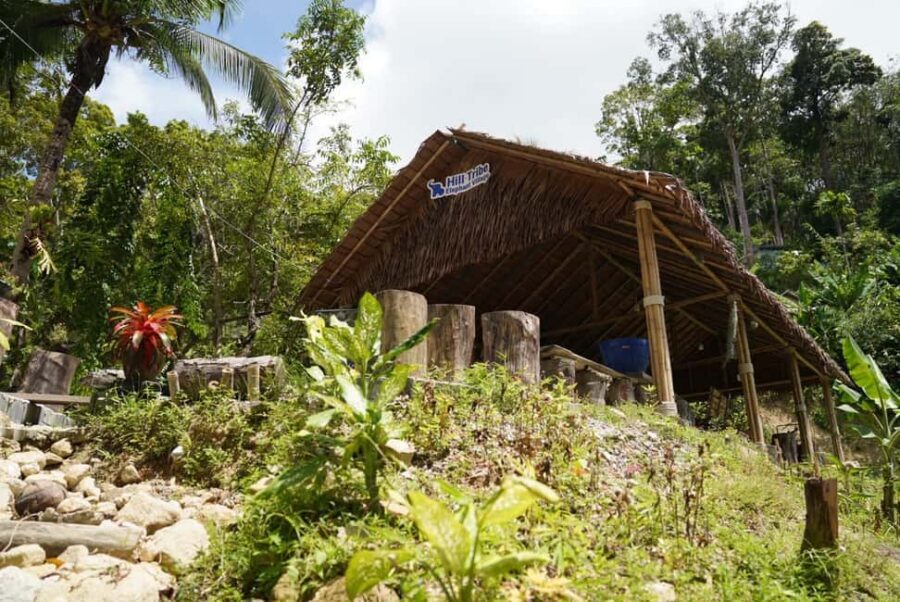
This is a great match if you want an ethical elephant encounter and you care about seeing animals in a natural roaming setup. You’ll enjoy it most if you like learning small, concrete things—how caretakers read body language, how elephants communicate, and what daily care looks like.
It may be a poor fit if you’re hoping for a hands-on cuddle session or unrestricted touching. The rules are clear: no direct touching and no bathing. Feeding is allowed from your hand, but the interaction stays controlled.
It’s also not suitable for:
- Pregnant women
- People with back problems
- People with animal allergies
If mobility is limited, you should know the tour is listed as wheelchair accessible. Some people may remain at a meeting point if hills and walking routes are difficult, and staff can bring the experience to you rather than forcing participation in every forest segment.
Should You Book This Phuket Elephant Sanctuary Tour?
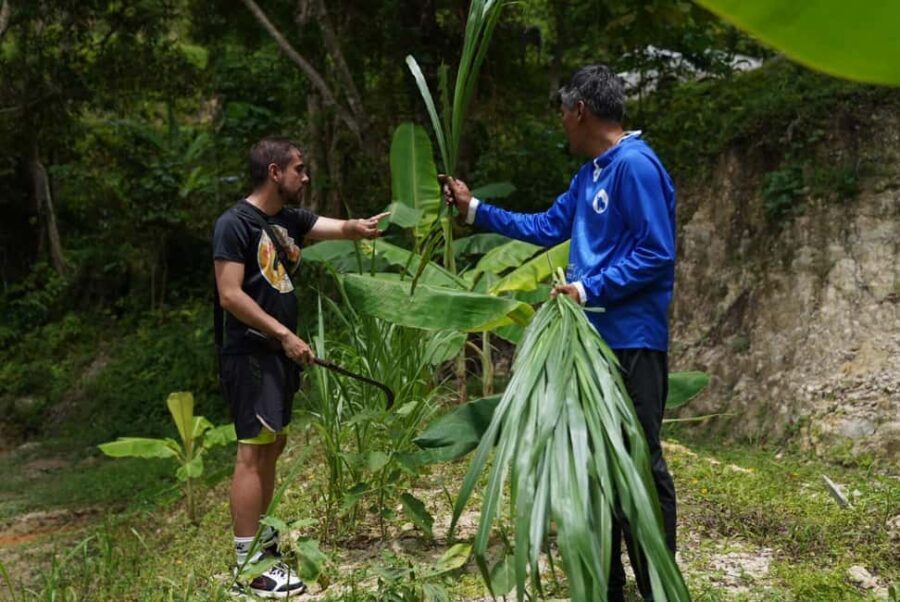
If you want a short, respectful elephant experience that avoids riding and puts caretaking first, I’d book it. The combination of education, a forest walk, and the banana-and-grass feeding work gives you something real to take home: understanding how elephants live when they’re treated as animals, not attractions.
But if you’re someone who needs lots of time, or you can’t manage a forest walk comfortably, you may find the format too tight. In that case, consider whether you’d rather do a longer day option—even if it costs more—or choose a time slot that’s easiest for you temperature-wise.
If you go, go prepared: hat, sunscreen, insect repellent, no flash, and a calm voice. That’s how you get the best version of this sanctuary walk.
FAQ
FAQ
How long is the Elephant Sanctuary tour?
The guided experience is about 1 hour at the hill tribe elephant village.
Does this tour include hotel transfers in Phuket?
Hotel transfer is included if you select the pickup option. You’ll be taken by van (about 20 minutes) to the sanctuary and returned to Phuket drop-off locations.
What activities are included besides the forest walk?
You’ll have an elephant education session and a hands-on banana tree cutting and fresh grass harvesting activity to prepare food for the elephants.
Can I feed the elephants during the visit?
Yes. You’ll prepare herbal elephant food and can feed it from your hand during the sanctuary visit, with staff supervision.
Is flash photography allowed?
No. Flash photography is not allowed.
What should I bring to the tour?
Bring a hat, camera, sunscreen, and insect repellent. Drinking water is provided, and you’re asked to bring your reused bottle.
Is the tour suitable for everyone?
It’s not suitable for pregnant women, people with back problems, or people with animal allergies. It is listed as wheelchair accessible.
What happens if I’m late to the meeting time?
If you arrive more than 10 minutes late from the scheduled meeting time, or after the program has started, you may be considered a no-show.