REVIEW · PHUKET
Phuket Elephant Nature Reserve Ethical Sanctuary
Book on Viator →Operated by Phuket Elephant Nature Reserve · Bookable on Viator
Elephants roam free, and you learn why. This Phuket Elephant Nature Reserve experience is built around ethical, hands-off viewing and a chance to make vitamin balls with the mahouts, plus a Thai cooking class that ends with lunch. I love that you see elephants without the riding, bathing, or close-contact show stuff, and I love the practical education stops, like learning how elephant dung is recycled. One consideration: it can get hot and humid, so plan to stay comfortable during outdoor time.
In a lot of elephant tours, the main event is the human activity. Here, the elephants do their thing, and you watch from a respectful distance while guides explain what you’re seeing. It’s structured, but it still feels natural, which is exactly what an ethical sanctuary should aim for.
Guides help keep the day clear and meaningful, and names like Tom, Steve, and Dong show up in guests’ kind comments for being especially good at explaining the mission and the elephants’ needs. You also won’t be allowed to touch, bathe, or hand-feed the elephants, which shapes the experience in a good way: less interaction, more respect, and better animal welfare.
In This Review
- Key highlights I’d plan around
- Ethical elephant time in Phuket, without the circus
- The vitamin balls part: helping, but not hovering
- Jungle observation and watering holes: real behavior beats a photo pose
- The dung recycling center: an education stop with substance
- Thai cooking class and lunch: a cultural bonus that actually fits
- Timing and meeting reality: how to plan for the half-day pace
- Price and value: what $39.11 includes (and why that matters)
- What to bring (because Phuket weather does not care)
- Who should book this sanctuary visit
- Should you book the Phuket Elephant Nature Reserve tour?
- FAQ
- How long is the Phuket Elephant Nature Reserve experience?
- What does the half-day package include?
- Are touching, bathing, or hand-feeding allowed?
- Is transport included?
- What should I bring?
- Can I cancel and get a full refund?
Key highlights I’d plan around
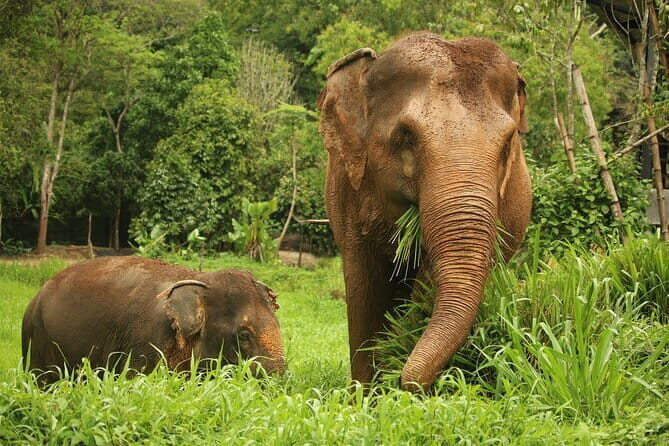
- Hands-off interaction: you help with food prep and feeding in a respectful, no-touch way
- Mahout-led vitamin ball prep: you learn how snack time supports wellbeing
- Jungle + watering hole observation: elephants show natural behavior, not a script
- Dung recycling center education: an unexpected lesson with real-world purpose
- Thai cooking class and lunch included: you get a satisfying cultural bonus
- Heat is real: timing works best when you dress for sun, humidity, and walking
Ethical elephant time in Phuket, without the circus
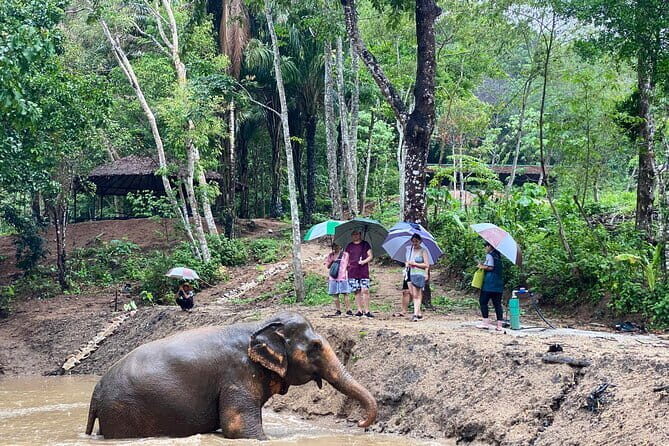
The big selling point here is simple: this is an ethical sanctuary, and the rules reflect that. You’re not getting the usual entertainment angle. No bathing, no touching, and no hand-feeding. Instead, the elephants roam freely in their environment, and your job is observation and education.
That matters because elephants are not props. When tourists can ride or bathe elephants for photos, the whole operation shifts toward performance and physical contact. This program keeps you in the safer, kinder zone: you watch elephants choose when to move toward watering areas, and you participate through tasks like preparing their food. You still feel close, just in the right way.
Another part I like is that the sanctuary doesn’t just show elephants. It teaches the why behind ethics. You’ll hear about elephant wellbeing and about the harmful industry that drives demand for riding and bathing. That turns a fun outing into something you can feel good about after you leave.
You can also read our reviews of more tours and experiences in Phuket.


The vitamin balls part: helping, but not hovering
One of the most rewarding segments is preparing vitamin balls with the mahouts (elephant handlers). You’re not just watching from the sidelines. You get hands-on involvement in making food for the elephants.
Even better, the feeding stays hands-off for you. That means you’re supporting the process without forcing direct physical contact. It’s a small detail, but it changes the tone: you’re there to help care and learn, not to get your hands on a wild animal.
Here’s what this does for you as a visitor:
- You come away with a clearer understanding of what elephants need day to day.
- You get a more personal connection than a simple viewing tour, without crossing ethical lines.
- The experience feels structured and guided, so you don’t end up lost in the heat with no context.
From the day flow, vitamin balls fit naturally after you’ve learned a bit about the elephants’ routine and environment. It also gives you a chance to ask questions while the staff explains what you’re making and how it’s used.
If you care about animal welfare, this section is one of the best reasons to book. It’s not just about proximity. It’s about doing a supportive role the sanctuary actually needs.
Jungle observation and watering holes: real behavior beats a photo pose
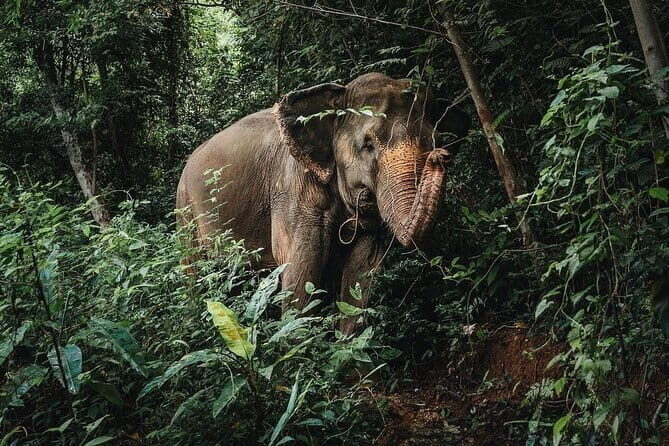
After the welcome and briefing, you’ll spend time observing elephants in the jungle area and at natural water features like ponds and watering holes. This is where you get the classic sanctuary “wow” moment: elephants moving at their own speed, coming and going as they want.
The tour is designed to include multiple observation moments rather than one quick stop. That helps because elephants don’t follow human schedules. If they’re resting, you hang back. If they’re active, you’ll see more behavior. Either way, the guiding is there to explain what you’re looking at.
Photography is part of the idea here—you’re there to observe and photograph. To make that easier, I’d treat your time like a mini safari. Give yourself patience. Don’t rush to the best angle every minute. Let the elephants come to you in the normal flow of the day.
Also, plan for weather. Multiple comments highlight that 90 minutes can be a sweet spot because the heat and humidity can wear you down faster than you expect. Even if your total program runs longer (the full half-day is listed at about 3 hours 30 minutes), the most intense outdoor stretch is often the observation blocks. Dress for that reality.
The dung recycling center: an education stop with substance
This is not your typical “look at animals” tour moment. You’ll visit a dung recycling center where you learn how elephant dung is recycled at the sanctuary.
It might sound odd at first. Then it clicks. The education is about more than elephants. It’s about the systems that support wellbeing and responsible care day after day. Waste handling, sanitation, and turning natural materials into usable resources are part of running a thoughtful sanctuary.
For you, this adds value in two ways:
- It shows the sanctuary is managed, not just staged.
- It turns animal welfare into real operations, the kind that require planning and money.
If you like hands-on learning and you want your day to have more depth than animal photos, this stop is a key ingredient.
Thai cooking class and lunch: a cultural bonus that actually fits

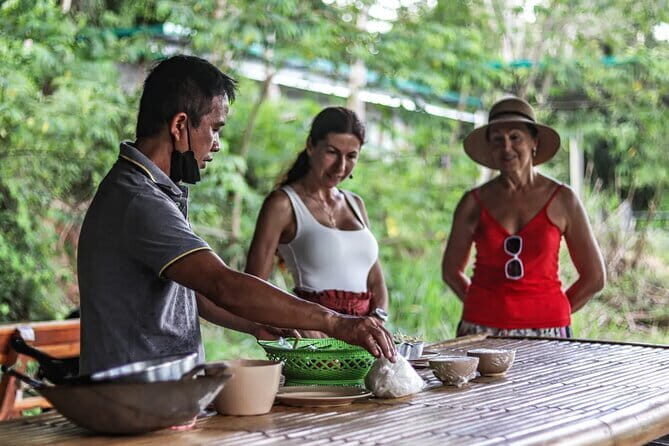
This experience includes a Thai cooking class demo and lunch, tied into the same half-day program. You’ll start with a briefing, then do food-related activities, and also get time for Thai cooking.
Many tours like this add a cooking stop as an afterthought. Here, it feels integrated. The cooking class demo is practical and ends with a meal you can enjoy. Some groups also note that the cooking class comes first, with lunch after, which helps you get fed before the longest hot outdoor segment.
The food matters because it’s part of why the outing works as a half-day plan instead of a rushed activity. You get both:
- Elephant care education and observation
- A real taste of Thai cooking as a separate, enjoyable activity
If you’re booking for a family, this is also a strong point. Kids often like the process of learning to prepare food and then eating it, especially when it’s included and timed neatly with the rest of the program.






Timing and meeting reality: how to plan for the half-day pace

The experience runs about 3 hours 30 minutes, and it’s offered as a half-day program. That’s a good length for people who want a meaningful activity without losing the entire day.
There’s a practical note from guests: the most focused elephant time can feel like about 90 minutes, and that shorter window is helpful in Phuket’s heat. If you’re the type who gets tired quickly outdoors, you’ll probably appreciate that the day is broken into blocks, not one long slog.
Also keep in mind:
- Transport is not included, so you’ll need to arrange getting to the meeting point on your own.
- The tour uses a mobile ticket, so have your confirmation ready on your phone.
- It’s near public transportation, which can help if you don’t want to rely on a private car.
If you’re sensitive to sun and humidity, schedule your day with this in mind. You’ll enjoy the experience more when you’re not already fried before it starts.
Price and value: what $39.11 includes (and why that matters)
At $39.11 per person, this is priced in a way that can feel like a bargain for what you actually get. You’re paying for more than entry to a place—it’s a structured sanctuary experience that includes:
- A Thai cooking class demo and lunch
- Water during the program
- A guided experience with insurance included
- Hands-off elephant feeding support through vitamin ball preparation
- Education stops, including the dung recycling center
Not included items are pretty typical: comfortable shoes, hat and sunglasses, and your own water bottle (even though there’s a water refill station). Transport is also not included.
What makes the price feel fair is the mix of experiences. You’re getting elephant observation and ethics education, plus a full cooking and lunch component. If you’ve paid more for elephant attractions elsewhere and ended up feeling uneasy afterward, this structure helps you feel confident that the money is going toward ethical care and education rather than animal performance.
What to bring (because Phuket weather does not care)
Even though the program includes water, you should show up ready for heat. The tour info specifically calls out:
- Comfortable shoes
- Hat and sunglasses
- Your own water bottle for the refill station
For the rest, keep it simple:
- Bring sunscreen and a light layer if you burn easily.
- Wear clothes that can handle humidity (you’ll likely be outside for parts of the day).
- Have your phone charged enough for your mobile ticket.
This matters because the sanctuary part of the day involves walking and waiting. The more comfortable you are, the more you’ll enjoy the slower, elephant-paced moments.
Who should book this sanctuary visit
This half-day tour is a great fit if you:
- Care about animal welfare and want no touching, bathing, or hand-feeding
- Want more than a quick photo stop, with education that explains ethical choices
- Prefer a smaller, calmer sanctuary-style visit rather than a chaotic show
- Travel with kids who can benefit from clear animal welfare rules
It’s also a strong choice if you’re the kind of person who asks better questions on the day—because this program gives you real context. People mention guides being warm and accommodating, including being flexible when timing gets disrupted.
One more detail: service animals are allowed, and most travelers can participate. So it’s not designed as an extreme activity. It’s built for accessibility to the sanctuary experience.
Should you book the Phuket Elephant Nature Reserve tour?
Book it if you want to see elephants in a way that feels responsible: hands-off interaction, structured education, and real involvement in food prep like vitamin balls. The added Thai cooking class and lunch make it feel like a full half-day plan, not just an animal detour.
Skip it (or at least reconsider) if you’re hoping for intense physical interaction like bathing, touching, or hand-feeding. This sanctuary is intentionally different. You’ll still get close and you’ll still see plenty of elephant activity, but the experience is designed around respect, not contact.
If you’re price-sensitive, this is one of those choices that tends to feel fair because you get both sanctuary time and a meal/cooking experience in one package. In other words: you’re paying for care, learning, and a well-run schedule.
FAQ
How long is the Phuket Elephant Nature Reserve experience?
The duration is listed at about 3 hours 30 minutes for the half-day program.
What does the half-day package include?
It includes the Thai cooking class demo and lunch, hands-off elephant feeding with preparation, elephant jungle nature observation, an elephant dung recycling center visit (half-day only), vitamin ball making (half-day only), water, an experience tour guide, and insurance.
Are touching, bathing, or hand-feeding allowed?
No. Touching, bathing, and hand-feeding are not permitted. The feeding is done with a hands-off approach.
Is transport included?
No. Transport is not included.
What should I bring?
The experience suggests comfortable shoes and hat and sunglasses. You’ll also want your own water bottle for the water refill station.
Can I cancel and get a full refund?
Yes. Cancellation is free if you cancel up to 24 hours in advance of the experience start time for a full refund. If you cancel less than 24 hours before, the amount paid is not refunded.