REVIEW · PHUKET
Elephant Sanctuary Small Group Tour in Phuket
Book on Viator →Operated by MY Holiday Centre · Bookable on Viator
Elephants, minus the guilt trip. This half-day Phuket visit lets you watch rescued elephants roam a real forest home and then meet them face-to-face through hand-feeding and natural trail time. I especially like the no-show, no-riding approach, where the day stays calm and focused on the elephants’ choices.
Two things I really loved: you get genuine up-close interaction (not a stunt), and you also learn how their food is prepared with herbal snacks made on-site. One thing to plan for: the walk happens on hillside paths, with uneven, sometimes slick ground—wear shoes you won’t mind getting dirty.
The small-group setup (max 15) makes it feel less like a factory tour and more like a conversation with the elephants and the carers. Guides such as Mr. Yu, Kai, Mayya, and Thod stand out in the way they keep things relaxed while explaining what you’re seeing and why it matters.
In This Review
- Key things to know before you go
- Ethical elephant time in Phuket: what makes this tour different?
- Your half-day flow: from pickup to forest trails
- Patong Hill Tribe Elephant Village: the setting and what to expect on arrival
- Walking and watching elephants: what you’ll actually do
- Herbal snack prep and learning how care works
- Hand-feeding without riding or shows: the moment most people come for
- Lunch box and light refreshments: what the break feels like
- Guides you might meet: Mr. Yu, Kai, Mayya, and Thod
- Timing, group size, and how to plan your Phuket day
- Photos and elephant interaction: how to get great memories (the right way)
- Price and value in Phuket: what you’re paying for
- Who this tour fits best (and who should reconsider)
- Should you book this Phuket elephant sanctuary small group tour?
- FAQ
- How long is the Elephant Sanctuary small group tour?
- Is hotel pickup included?
- What’s the maximum group size?
- Do you ride the elephants or watch shows?
- Is the admission ticket included in the price?
- Are you able to feed the elephants?
- What food or snacks are included?
- Do I get a confirmation after booking?
- Is this tour suitable for most people?
- What is the cancellation policy?
Key things to know before you go
- Small-group cap (up to 15): more elbow room and easier questions during the walk.
- No riding, no shows: interaction happens on caretakers’ terms, not a performance schedule.
- Forest trails first: you spend real time observing foraging and social behavior.
- Herbal snack making: you learn and help prepare the food before feeding.
- Hand-feeding moment: a highlight for many people, with elephants approaching naturally.
- 4 hours on the clock: enough time to feel unhurried, but still easy to fit into your Phuket day.
Ethical elephant time in Phuket: what makes this tour different?

Phuket has a lot of elephant-related tours. Most are flashy. This one is more grounded: you’re visiting a sanctuary where rescued elephants live freely in a forest home, and your role is mostly observer first, helper second.
What I like about that balance is how it changes your mindset. Instead of watching a script, you watch behavior—how they forage, play, and move through their space. Then you get a hands-on moment (feeding) that feels tied to care, not entertainment.
Also, the day is designed around time. It’s about a 4-hour experience, not a quick in-and-out stop. That matters because elephants don’t move on a bus schedule. If you want more than one good sighting, you need slack in the plan.
You can also read our reviews of more tours and experiences in Phuket.


Your half-day flow: from pickup to forest trails
The day starts with hotel pickup (offered) and a scenic drive toward the sanctuary area around Patong. You’ll get a warm welcome and a safety talk, then head out onto natural paths where the elephants are already roaming.
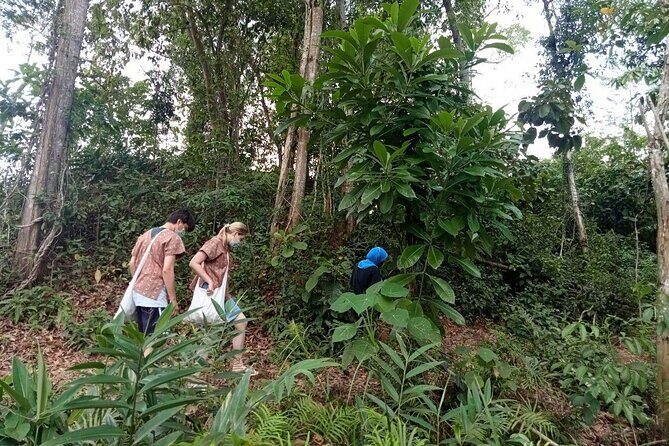
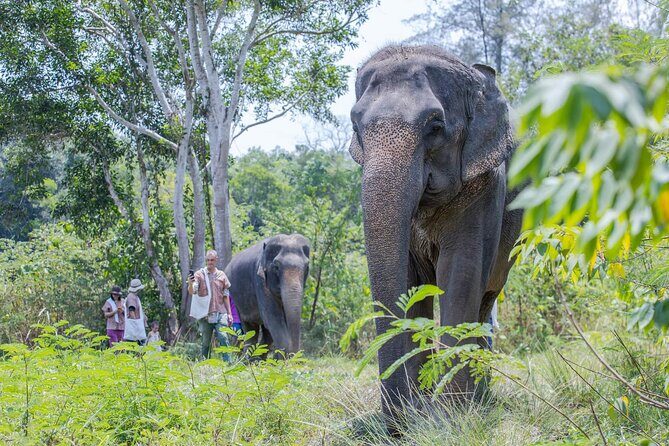
Once you’re in the forest, you’re not stuck staring from one spot. You’ll walk along the trails at a steady pace—close enough to see what the elephants are doing, far enough to give them room. This is where the sanctuary visit feels different from typical animal “photo stops.”
Expect the timeline to move in blocks: orientation, trail time, food preparation, feeding, then light refreshments and a lunch box before you head back. The structure keeps things simple, but it still leaves time to ask questions and take photos when the moment is right.
Patong Hill Tribe Elephant Village: the setting and what to expect on arrival
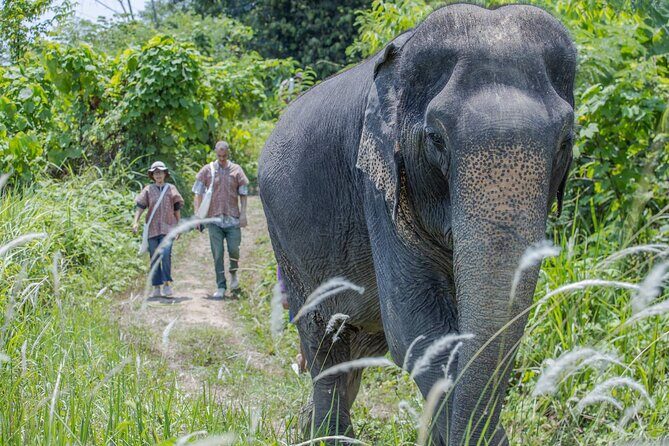
This tour is based around Patong Hill Tribe Elephant Village as the first stop, and the sanctuary itself sits up on a mountain area above the beach towns. In plain terms: you trade coast views for forest shade and hillside air.
The terrain is part of the experience. A number of people note steep hill roads and uneven paths, with slick spots that can be a little slippery. If you’re used to flip-flops and smooth sidewalks, this is your gentle warning: bring grippy shoes.
On the plus side, the environment matters. When elephants can wander and move through a natural-feeling space, you’re more likely to see normal behavior—socializing, foraging, and resting—rather than choreographed movements.
Walking and watching elephants: what you’ll actually do
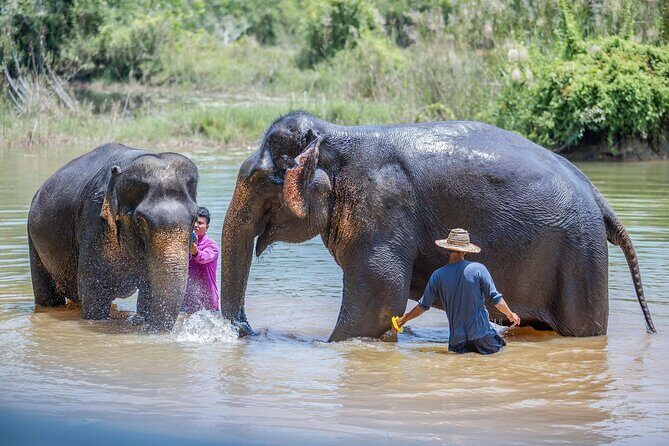
Your main “work” on this tour is to watch. You’ll follow the guide along natural trails and learn what you’re seeing: how elephants use their bodies to forage, how they interact with each other, and what their caretakers pay attention to.
Many people describe the elephants as relaxed. That’s the whole point. When you see elephants that look comfortable and unhurried, it’s easier to believe the day is about welfare rather than spectacle.
You’ll likely spend time close to multiple elephants during the walk. In a couple of accounts, small groups meant guests got more focused time with individual elephants. Even if you don’t get a “one-on-one” setup, the max 15-person group size helps the tour stay calm.
Herbal snack prep and learning how care works
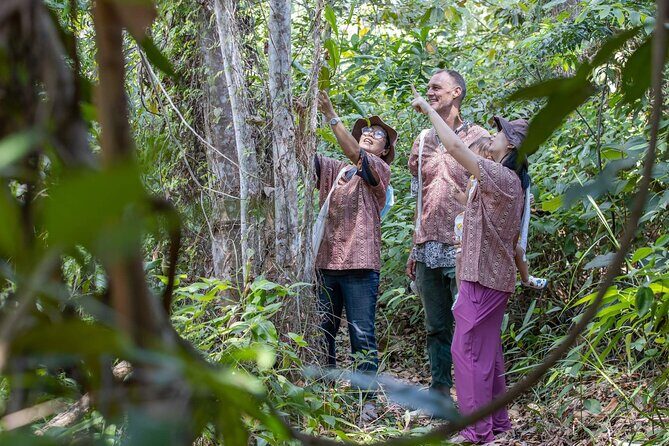
After your forest viewing, you’ll move into food prep. Part of the experience is discovering how herbal food and snacks are prepared to support elephant health.
Then you’ll go one step further and help make the snacks. People often remember this part as surprisingly hands-on—less like “look at this” and more like “you’re part of the process.” It also gives you a reason to ask questions while you’re standing there, because you’re learning what goes into the elephants’ daily care.
If you care about how animal-focused travel is actually funded, this part is a big deal. Feeding is not just a “moment.” It’s directly connected to the sanctuary’s routine.






Hand-feeding without riding or shows: the moment most people come for
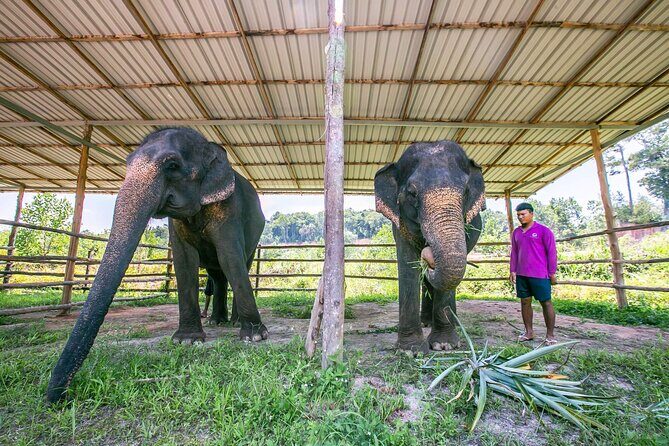
Feeding by hand is the highlight for many visitors, and the tour is clear about what it’s not: no riding, no shows.
In practice, that means you feed in a respectful way while the elephants move at their own pace. You’re not strapped into anything, and the day doesn’t feel like you’re watching tricks. Instead, you’re learning how to interact safely and appropriately.
One useful takeaway: elephants can be playful and curious. That’s exciting, but it also means you should stay focused on the guide’s instructions and give them space. The best photos happen when you’re patient and let the elephants choose to come close.
Several people also mention that caretakers and guides take pride in their work—meaning you’re more likely to feel the care side of the experience, not just the animal encounter side.
Lunch box and light refreshments: what the break feels like
The visit ends with light refreshments and a lunch box before you return to your hotel. The idea is to keep energy up without turning the day into a long restaurant detour.
In a couple accounts, people mention an additional lunch stop at a nearby cafe or restaurant outside the sanctuary area. Since lunch format can vary, I’d treat the “lunch box” as the reliable base and expect that some groups may get a nicer sit-down add-on depending on the plan for your day.
Either way, you’ll likely be ready for a meal. Between the walking, sun, and hills, it’s not a “light stroll only” kind of outing.
Guides you might meet: Mr. Yu, Kai, Mayya, and Thod
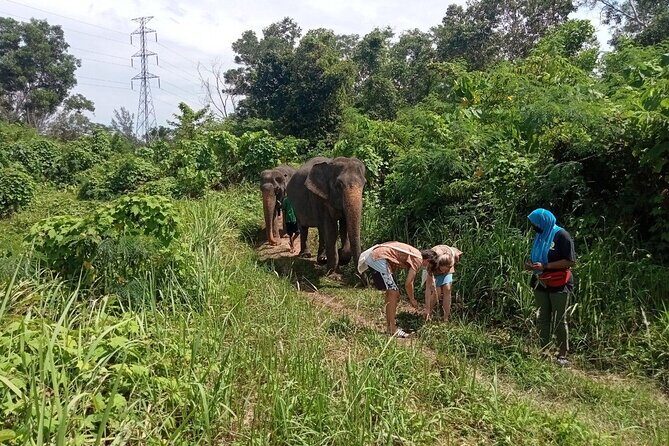
The guide makes a real difference on this tour because you’re walking through an animal space where you’ll notice different behaviors at different times. Several names come up repeatedly in positive feedback:
- Mr. Yu: friendly, easygoing, and people mention that he clearly loves elephants.
- Kai: approachable and funny, with a focus on making sure you’re comfortable and safe.
- Mayya: brings humor to the trek while keeping the experience interactive.
- Thod: described as passionate and teaching you about elephants in a way that changes how you see them.
I like tours where the explanation makes your watching sharper. Here, the learning is tied to what you’re doing right then—walking, observing, snack prep, and feeding.
Timing, group size, and how to plan your Phuket day
This is a compact half-day program, around 4 hours. It’s long enough to feel like you got real sanctuary time, but short enough to avoid wrecking your whole day.
Group size helps. The sanctuary visit has a maximum of 15 travelers, and some people report much smaller groups in practice. That’s a big value factor: with fewer people, you spend more time near the elephants and less time waiting for your turn.
One practical consideration: transportation timing. In one negative experience, pickup didn’t happen as expected. In another case, the return ride took longer than planned after lunch. These don’t erase the overall quality, but they do mean you should build in buffer time afterward—don’t schedule something critical immediately after your tour ends.
If you want smooth logistics, choose a day where you’re not racing for another booking and keep your afternoon flexible.
Photos and elephant interaction: how to get great memories (the right way)
You’ll have lots of opportunities for photos because you’re spending time walking and staying close—without turning the day into a staged event. Many people also mention that staff help with pictures and videos, so you don’t need to be the photographer in your group the whole time.
What matters most: interaction stays on the elephants’ terms. The best moments are when you’re watching rather than hovering. If an elephant moves away, follow the guide, not your instincts.
Also, keep your expectations realistic. This is a sanctuary setting, not a theme park. Sometimes the elephants are curious. Sometimes they’re foraging and ignoring you. When you accept that, the experience feels more authentic.
Price and value in Phuket: what you’re paying for
At $97.83 per person, you’re paying for a focused half-day that includes:
- pickup service (offered),
- admission ticket inclusion,
- guided trail time and education,
- herbal snack preparation,
- light refreshments and a lunch box,
- and the hand-feeding experience—without riding or shows.
Is it cheap? No. But it’s also not just a “look and leave” encounter. The time spent walking and the welfare-centered format are where the money goes.
If you’re choosing between a longer showy option and something calmer, this kind of half-day can feel like better value because it gives you both learning and interaction in a time-efficient way.
Who this tour fits best (and who should reconsider)
This tour is a great match if you want a humane elephant experience in Phuket and you like being outside—walking, watching, and learning in real time. It’s also ideal for families and mixed-age groups because the small-group format keeps things manageable.
It’s less ideal if you have mobility limits. The paths include hillroads, uneven ground, and slick spots. You don’t need to be a mountain athlete, but you do need to be comfortable on uneven terrain.
If your top priority is a super short stop, this isn’t the “grab a quick photo” format. It’s meant to give you enough time to feel the sanctuary, not just see it.
Should you book this Phuket elephant sanctuary small group tour?
I’d book it if you want a calm, welfare-first day where you can walk with your guide, learn how food is prepared, and feed elephants by hand—without riding or a show script. The small group size (max 15) is a real quality signal here, and the guide-led explanations make your experience feel more meaningful.
I’d think twice if uneven, hilly paths are a problem for you, or if you hate any chance of transport delays. Build in buffer time afterward, and bring the right shoes.
If you’re shopping for the best elephant option in Phuket, this is one of the formats that actually aligns action with care.
FAQ
How long is the Elephant Sanctuary small group tour?
It runs for about 4 hours.
Is hotel pickup included?
Pickup is offered, and the tour includes a transfer back after the visit.
What’s the maximum group size?
The group is capped at 15 travelers.
Do you ride the elephants or watch shows?
No riding and no shows. The experience focuses on observing and feeding by hand.
Is the admission ticket included in the price?
Yes, the admission ticket is included.
Are you able to feed the elephants?
Yes. You can feed the elephants by hand during the experience.
What food or snacks are included?
You’ll learn how herbal snacks are prepared, and you’ll get light refreshments and a lunch box as part of the tour.
Do I get a confirmation after booking?
Yes. Confirmation is received at the time of booking.
Is this tour suitable for most people?
Most travelers can participate.
What is the cancellation policy?
You can cancel for free up to 24 hours in advance for a full refund.